
Last updated November 14, 2026
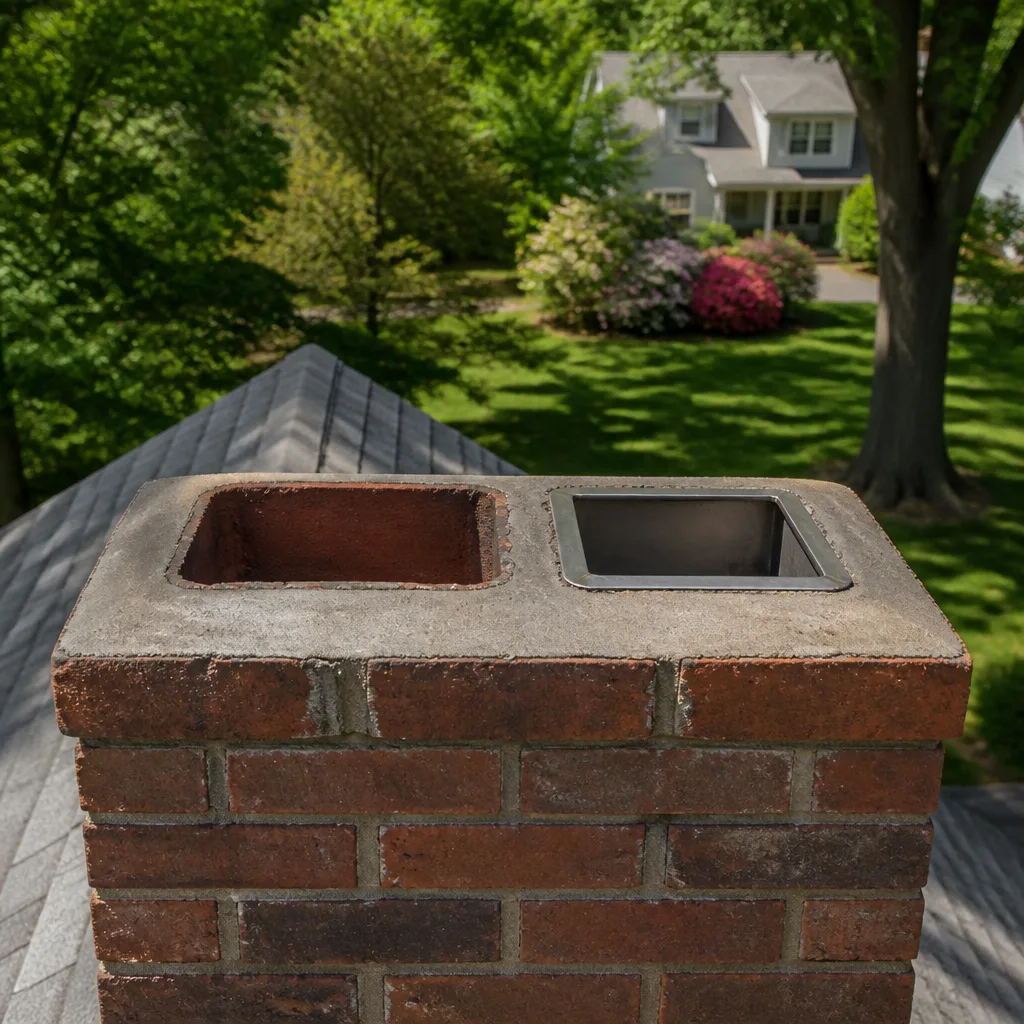 Sweep & inspection
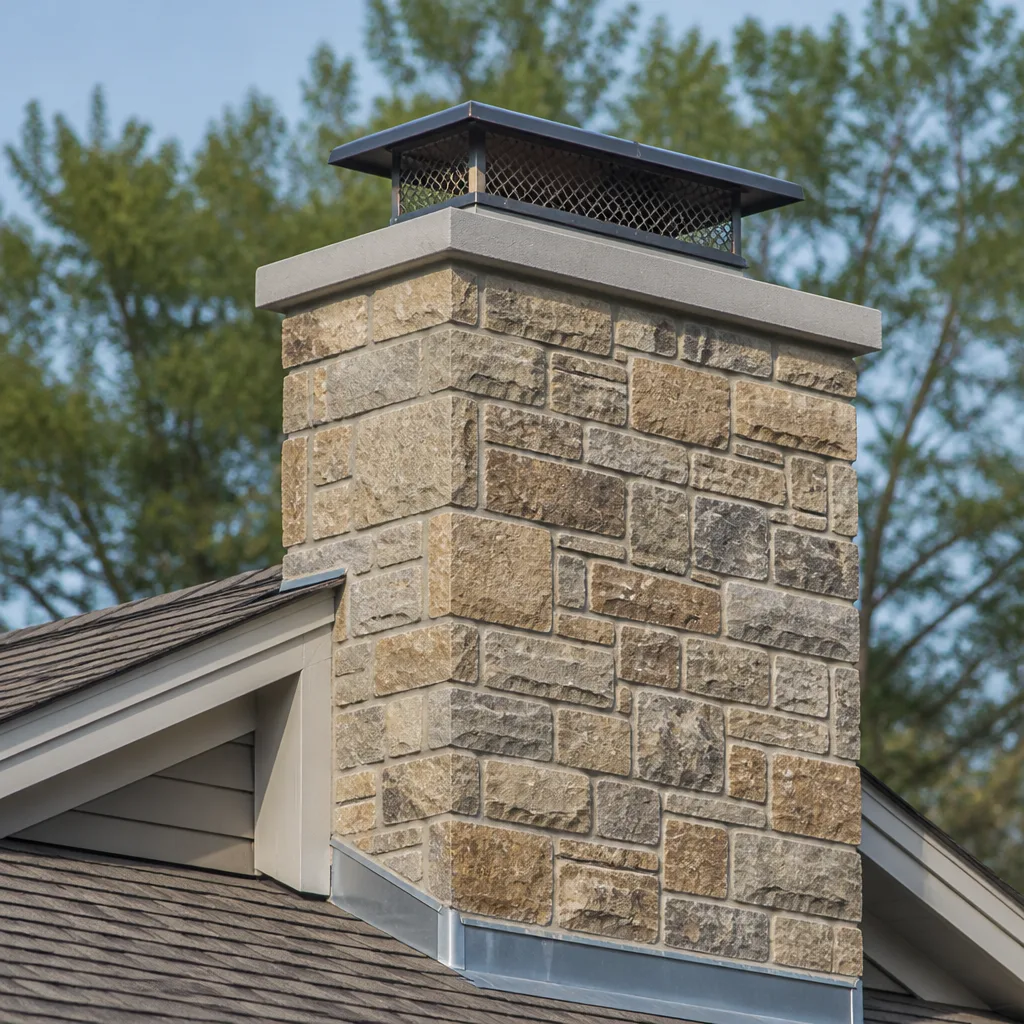 Caps & crowns
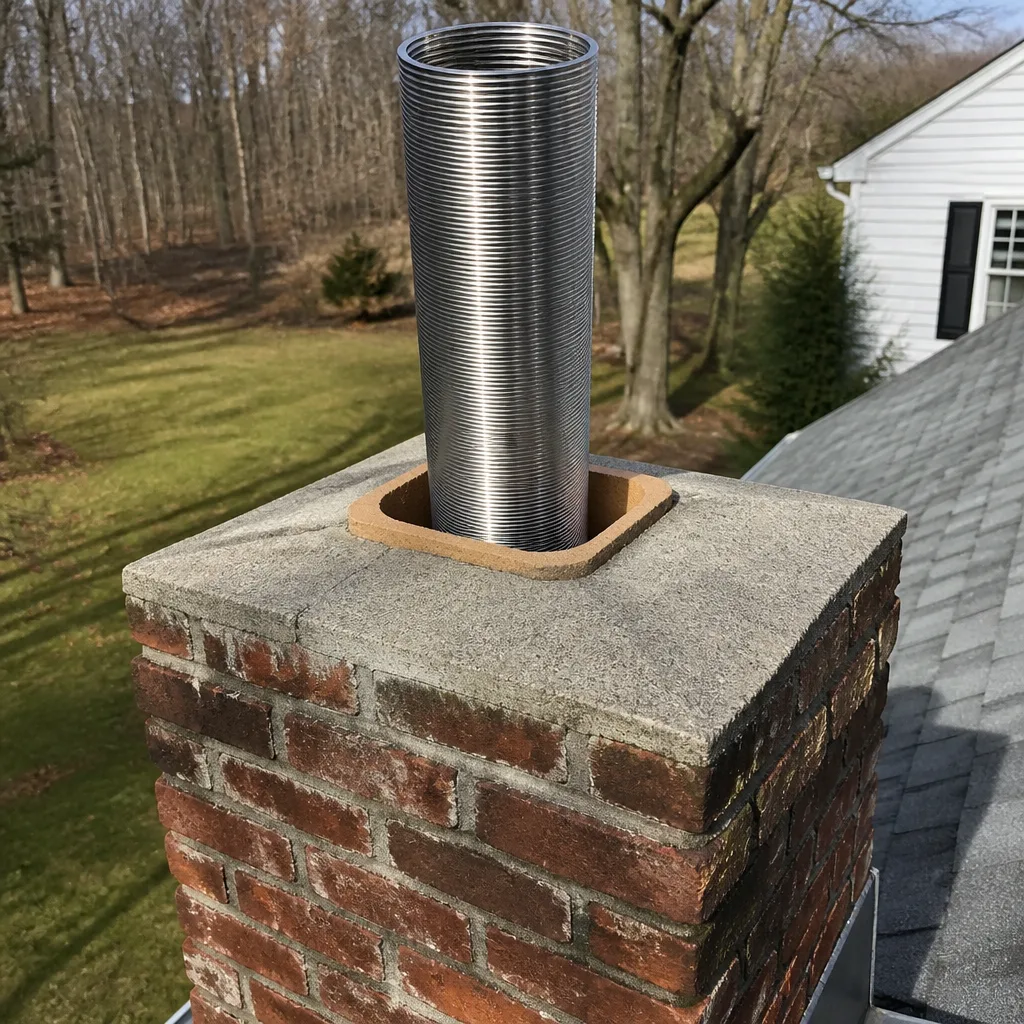 Flue relining
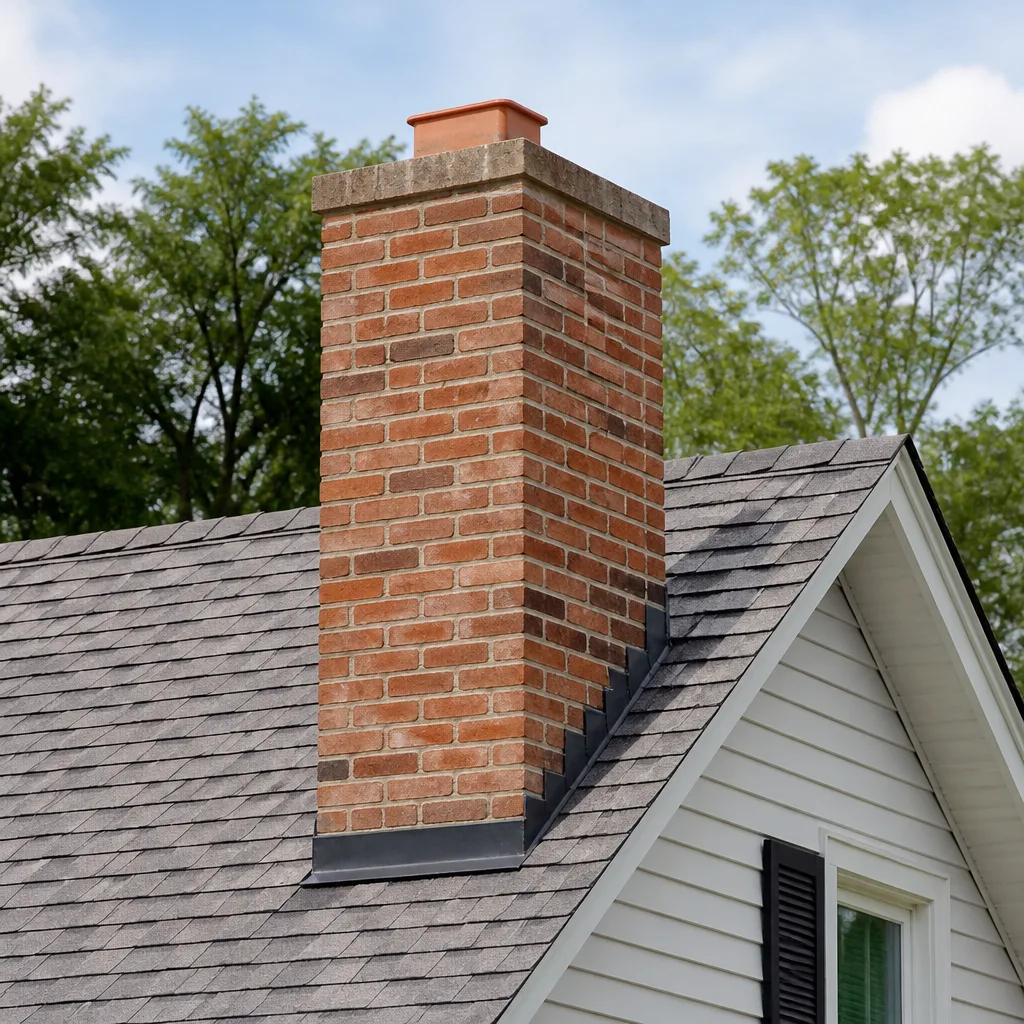 Masonry repair
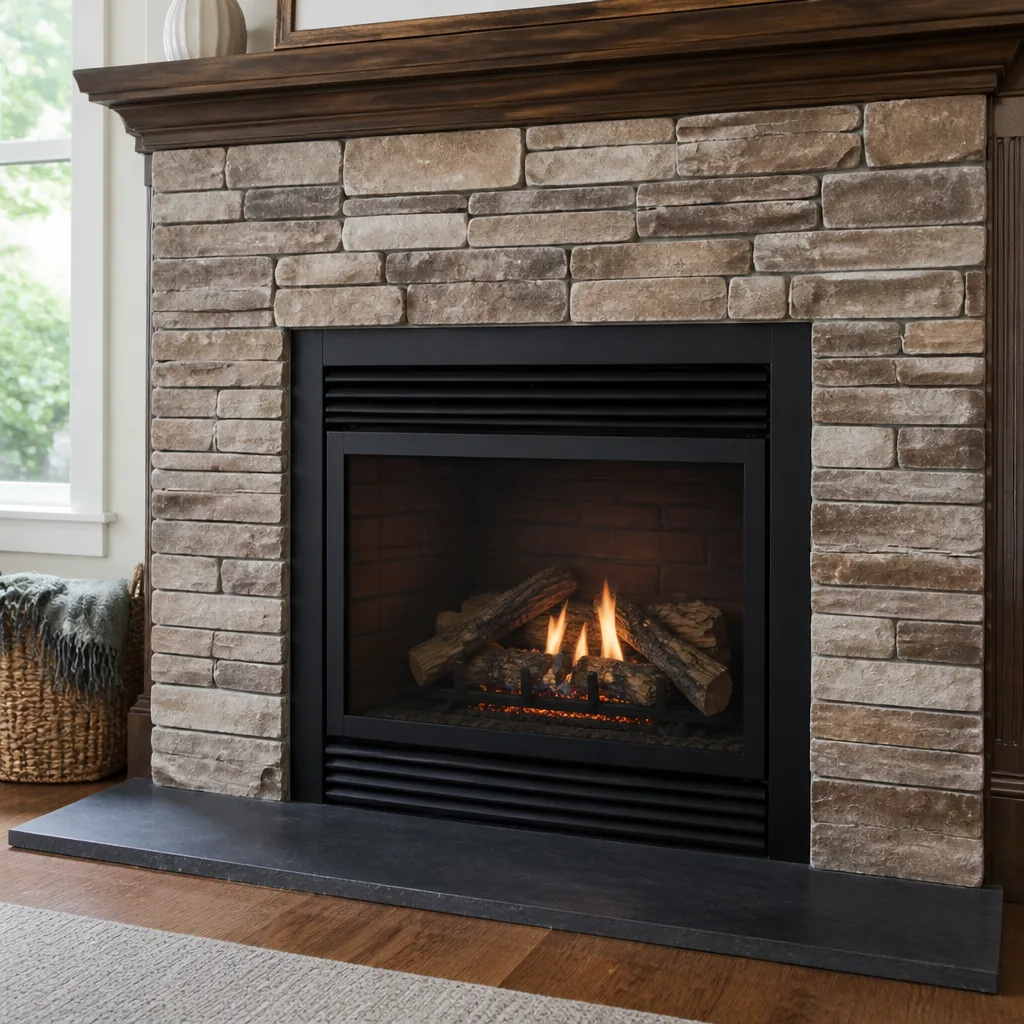 Gas fireplace service
Level 1 sweep and inspection to the NFPA 211 annual standard - flue, crown, cap, and flashing checked and photographed
Chimney sweep logs do not sweep chimneys. They loosen some creosote - which then falls where a brush and vacuum still have to collect it.
Seasonal Chimney Cleaning Care for Manchester: Year-Round Homeowner’s Guide
Most homeowners in Manchester treat a chimney sweep as an October errand. That timing is the single biggest reason people end up burning their first fire of the season in a flue nobody has looked at. Late August is the right month to schedule a Manchester chimney cleaning, not the week the leaves turn. By mid-September the calendar tightens across southern New Hampshire, and the homeowners who planned ahead get the appointment windows they wanted. This guide breaks the year into four distinct seasons – each with its own stress on masonry and flue systems – and tells you what to check, what to schedule, and what can safely wait.
Quick Answer
In Manchester, chimney care follows four separate seasons, not one annual reminder: spring inspection for winter damage, summer repairs while masonry can cure dry, a late-summer booking for the pre-season sweep, and winter monitoring for creosote as burn volume climbs. The single most useful habit is scheduling your cleaning and inspection in late August, before the fall rush takes every available slot. A yearly sweep and a technician’s look at the flue remain the backbone of safe burning in this climate.
Styles & brands we work with
- Sweep & inspection
- Caps & crowns
- Flue relining
- Masonry repair
- Gas fireplace service
Table of Contents
- Why Manchester Chimneys Age Four Times a Year
- Spring: The Inspection Season for Winter Damage
- Summer: When Masonry Repairs Actually Work
- Late Summer: The Scheduling Window Most Homeowners Miss
- Fall: Pre-Season Cleaning and the Damper Check
- Winter: Mid-Season Monitoring and Creosote Signals
- Your Manchester Chimney Care Calendar at a Glance
- Common Mistakes to Avoid
- When to Call a Professional
Why Manchester Chimneys Age Four Times a Year
The climate here doesn’t nudge a chimney along slowly. It works on it in distinct phases, and each phase leaves a different kind of mark. Manchester sees real winters with snow load on the crown, hard freezes, and then a spring thaw that pushes moisture into every small crack the frost opened. That freeze-thaw cycle is the quiet engine behind most of the damage we find on older homes here. Summer brings heat and dry spells that let moisture evaporate out of masonry – which matters more than most people realize for repair work. Then fall turns cold, the fire gets lit, and the flue starts cycling between hot and cold every time you burn.
The city’s housing stock splits roughly into two groups, and each ages differently. The older multi-story homes clustered around neighborhoods like the North End and Rimmon Heights tend to have tall, exposed brick chimneys that catch weather from every side. The newer construction out toward the city’s edges often has shorter chimneys with modern liners that handle temperature swings better but still need the same annual attention. A masonry chimney and a lined flue don’t fail in the same way, and they don’t need the same seasonal timing on repairs.
What doesn’t change is this: the flue is a working system, and it’s exposed to weather, animals, and combustion byproducts all year. A chimney can look fine from the driveway and still have a failing crown, a cracked flue tile, or a nest sitting on the smoke shelf. That’s why a professional chimney sweep includes an inspection, not just a brush. The seasons tell you when to do what. But you need the technician’s eyes to tell you whether this year’s job is a cleaning or a repair.
Spring: The Inspection Season for Winter Damage
Spring is when the damage winter did becomes visible. As the ground thaws and the last snow leaves the roof, a chimney that sat under a snowpack for months starts to show what happened up there. This is the right time of year for a full inspection, because the technician can see the whole system – crown, flashing, masonry, and flue – without snow in the way and without the firing season having started again.
Three failure patterns show up on Manchester chimneys most springs:
- Freeze-thaw spalling. Water gets into brick or mortar during a thaw, freezes overnight, expands, and pops a layer of the surface loose. Spalling shows as flaking or crumbling masonry, and on older homes it often appears first on the side of the chimney that faces the prevailing weather.
- Crown cracking. The concrete crown at the top of the chimney is the roof over the flue. Hairline cracks widen through winter, then let water into the chimney below. A cracked crown is one of the most common spring findings, and one of the most preventable.
- Animal intrusion. A warm chimney stack is an attractive place to nest, and a missing or damaged cap invites it. Squirrels, birds, and raccoons will move into an uncapped flue, and a nest is both a blockage and a fire risk when the season starts.
Spring inspection also catches what a homeowner simply cannot see from the firebox: a displaced flue tile, a gap in the mortar between tiles, or water staining inside the chimney chase. If the inspection turns up more than a cleaning, spring is also a good time to plan the repair so it lands in the summer weather window, when masonry can dry and cure. Our team at Manchester Chimney Cleaning carries product lines like HeatShield and DuraFlex specifically so a problem found in spring can be solved without handing you off to a second contractor. We identify the problem and fix it.
Summer: When Masonry Repairs Actually Work
Summer is the repair season, and the reason is physics rather than convenience. Mortar, crown sealant, and waterproof coatings all need dry conditions to cure properly. If you repoint a chimney or seal a crown in October and it rains the next week, the repair can fail before the heating season even starts. In summer, the masonry has time to dry out fully, the repair can cure in stable weather, and the finished work has weeks to settle before the first fire.
This is the window for the jobs that are easy to postpone and harder to do later:
- Liner repair or restoration. A damaged flue liner is the main safety concern in any older chimney, but not every damaged liner needs a full replacement. HeatShield liner restoration can resurface a liner that’s still structurally sound, which is a cost-effective alternative to relining the whole flue – and it’s a repair option most sweep-only crews can’t offer at all.
- Flexible liner installation. Older Manchester homes sometimes have flues that are offset, complex, or too irregular for a rigid liner. DuraFlex flexible liner systems allow proper retrofitting in those configurations, which is exactly the kind of job that separates a materials-equipped specialist from a basic service provider.
- Repointing and crown work. Rotted mortar joints get ground out and rebuilt, and cracked crowns get sealed or rebuilt. Both want dry, warm weather and time to cure.
- Waterproofing. A breathable waterproof coating on masonry slows water absorption and gives the freeze-thaw cycle less to work with. Applied in summer, it’s fully cured before winter.
Summer is also the season to clean and repair a dryer vent if you haven’t. Most homes here have two flues carrying real fire risk – the chimney and the dryer vent – and dryer vent cleaning is the one homeowners forget. Lint buildup in a dryer duct is a genuine fire hazard regardless of season, so it pairs naturally with a summer repair visit. One crew, one call, both flues handled.
Late Summer: The Scheduling Window Most Homeowners Miss
Here’s the part of the year that decides whether your heating season starts clean or starts late. Late August is the last realistic month to book a pre-season cleaning without competing with everyone else in Manchester who suddenly remembers their chimney in the first cold week of October. Demand is seasonal and predictable, and the cleaning slots fill from the front. The homeowner who calls in August chooses an appointment. The homeowner who calls in mid-October takes whatever is left.
The reason isn’t that a September sweep is somehow unsafe – it’s that a cleaning is only useful if it happens before you burn. A sweep in November means you’ve already put a few fires through an unknown flue. That’s the part worth avoiding. Creosote from those early burns can add up fast in a cool, inefficient flue, and a blocked or damaged flue can send smoke and carbon monoxide into the house instead of up the chimney.
Think of the pre-season appointment as three jobs in one visit:
- Clean the flue so the fire has a clear path and any creosote from last season is gone.
- Inspect the whole system – crown, cap, flashing, damper, and flue – while there’s still time to schedule any repair before winter.
- Confirm the appliance is set up correctly, whether it’s a wood stove, fireplace, or gas insert.
If you have a problem after that visit, you’ll know before you light the first fire, not after. Scheduling in August also leaves September and early October open for any repair the inspection turns up. For a free estimate on a pre-season visit, call (888) 804-9712. We answer 24/7, and fast dispatch runs from 7am to 7pm, Sunday through Friday.
Fall: Pre-Season Cleaning and the Damper Check
Fall is the season of the first burn, and the checklist before it is short but specific. If you did the late-summer cleaning, this is a quick confirmation, not a scramble. If you didn’t, it’s the last chance to know what you’re putting a fire into. What a technician checks in fall is often invisible from the firebox – which is exactly why the professional look matters.
Before the first fire of the season, a technician is looking for:
- Creosote deposits left over from last season or built up between visits, especially glazed creosote that a brush alone won’t remove.
- Damper operation. The damper should open and close fully and seal when closed. A stuck-open damper wastes heat all winter; a stuck-closed one chokes the fire or lets smoke into the room.
- Flue integrity. Cracks, gaps, or displaced tiles in the liner, which are the pathway for heat and carbon monoxide to reach the framing of the house.
- Obstructions. Nests, leaves, or fallen debris that collected over the summer, plus a look at the cap to make sure it’s still intact.
- Connections. For wood stoves and inserts, the flue collar, pipe joints, and gaskets that carry the smoke from the appliance into the chimney.
Carbon monoxide is the reason flue integrity isn’t a cosmetic issue. A compromised flue can let exhaust into the living space instead of venting it outdoors, and a blocked or partially blocked chimney does the same. Fall is also the time to confirm your smoke and CO detectors are working, because the heating season is when they matter most. None of this is meant to alarm you – it’s meant to be checked once, properly, before you rely on the system. If the fall inspection turns up a liner problem, we can work with your schedule and use HeatShield or DuraFlex to correct it rather than leaving it as a note on a clipboard.
Winter: Mid-Season Monitoring and Creosote Signals
Once the burning season is under way, most homes don’t need another full cleaning until spring. But a house that runs the fire hard all winter can build creosote fast, and there are signs worth watching. The point of mid-season monitoring isn’t to turn you into your own sweep – it’s to know when to schedule a cleaning before spring, or before a problem becomes urgent.
Watch for these signals in how your fire behaves:
- Smoke rolling back into the room instead of drafting up. This can mean a partial blockage or a flue that’s struggling to vent, and it’s a reason to stop burning and get it checked.
- A weak or lazy draft that wasn’t there in the fall. Falling draft points to buildup or an obstruction.
- A strong, sharp creosote smell in the room, or soot staining around the firebox opening.
- More frequent fires than last year. If you’re burning more, the flue is loading up faster, and a mid-season cleaning may be the right call.
- Visible soot or shiny glazed deposits when you shine a light up the flue. Glazed creosote doesn’t brush off easily and needs a technician.
How you burn matters as much as how often. A hot, efficient fire with dry, seasoned wood produces less creosote than a smoldering one, so a fire that’s damped down all evening is working against your flue. Creosote is the fuel for a chimney fire, and a chimney fire is the reason winter monitoring is worth the five minutes. Meanwhile, winter is also when freeze-thaw damage can appear on the exterior – ice at the crown or a fresh crack in the masonry is a note to make for spring, not a reason to panic. If a fire does fail on a Saturday, we’re closed that day, but call and we’ll book you into Sunday. Call (888) 804-9712. We answer 24/7. Fast dispatch from 7am to 7pm, Sunday through Friday.
Your Manchester Chimney Care Calendar at a Glance
Here’s the whole year on one page. Use this as a checklist, not a schedule you have to keep perfectly – the principle is to do each task in the season that supports it.
- March to May – Inspect. Book a full inspection for winter damage: spalling masonry, a cracked crown, animal intrusion, and flue condition. Plan any repair for the summer window.
- June to August – Repair. Do liner restoration, flexible liner installation, repointing, crown work, and waterproofing while masonry can dry and cure. Add a dryer vent cleaning if it’s due.
- Late August – Book the pre-season sweep. Get on the calendar before September demand fills it. This is the highest-value habit in the whole guide.
- September to October – Clean and check the damper. Sweep the flue, verify the damper, test smoke and CO detectors, and confirm the cap is secure before the first fire.
- November to February – Monitor. Watch draft, smell, and burn behavior. Schedule a cleaning if the fire tells you it needs one.
Two of these steps – inspection and cleaning – are the professionally done ones, and they’re the ones that keep the system safe. The rest is timing. If you’re not sure where you are on the calendar, call (888) 804-9712 and we’ll help you work out what’s due.
Common Mistakes to Avoid
- Waiting until the first cold week to schedule a cleaning. This is the most common mistake in Manchester, and it’s the one with the highest cost: you burn before you know the condition of your flue. Book in late August instead.
- Skipping the inspection and only asking for a sweep. A cleaning clears the flue; an inspection tells you whether the flue is sound. The second one is what catches a cracked crown or a bad liner before it becomes a problem.
- Doing masonry repairs in the fall or winter. Mortar and crown sealant need dry cure time. A repair done in cold, wet weather can fail before the season ends. Save the masonry work for summer.
- Assuming a liner is fine because the chimney looks fine. A chimney can look healthy from the driveway and have a failed flue tile inside. The exterior tells you nothing about the inside of the flue.
- Forgetting the dryer vent. Most homes in Manchester have two fire-risk flues, and the dryer vent is the one nobody inspects. Lint buildup is a real hazard and is easy to miss.
- Damping a fire down and letting it smolder for hours. A cold, smoldering fire is exactly what produces heavy creosote. Burn hot and use dry wood.
- Ignoring a blocked or uncapped flue through the summer. An uncapped chimney is an open door for animals and rain. A cap is cheap relative to the repair a nest or water intrusion causes later.
When to Call a Professional
Some things are worth a phone call and some aren’t. Call a professional when you smell a sharp creosote odor in the room, when smoke rolls back instead of drafting up, when you see cracked or flaking masonry on the exterior, when a fire won’t draw the way it used to, or when you simply can’t remember the last time the flue was inspected. Also call if you’ve bought a home in Manchester and don’t know the service history of the chimney, or if you’re switching to a wood stove or adding a gas insert. Any of those is a reason to get an inspection, and an inspection is a reason to plan the season around it. Manchester Chimney Cleaning offers free estimates in Manchester – call (888) 804-9712. We answer 24/7. Fast dispatch from 7am to 7pm, Sunday through Friday.
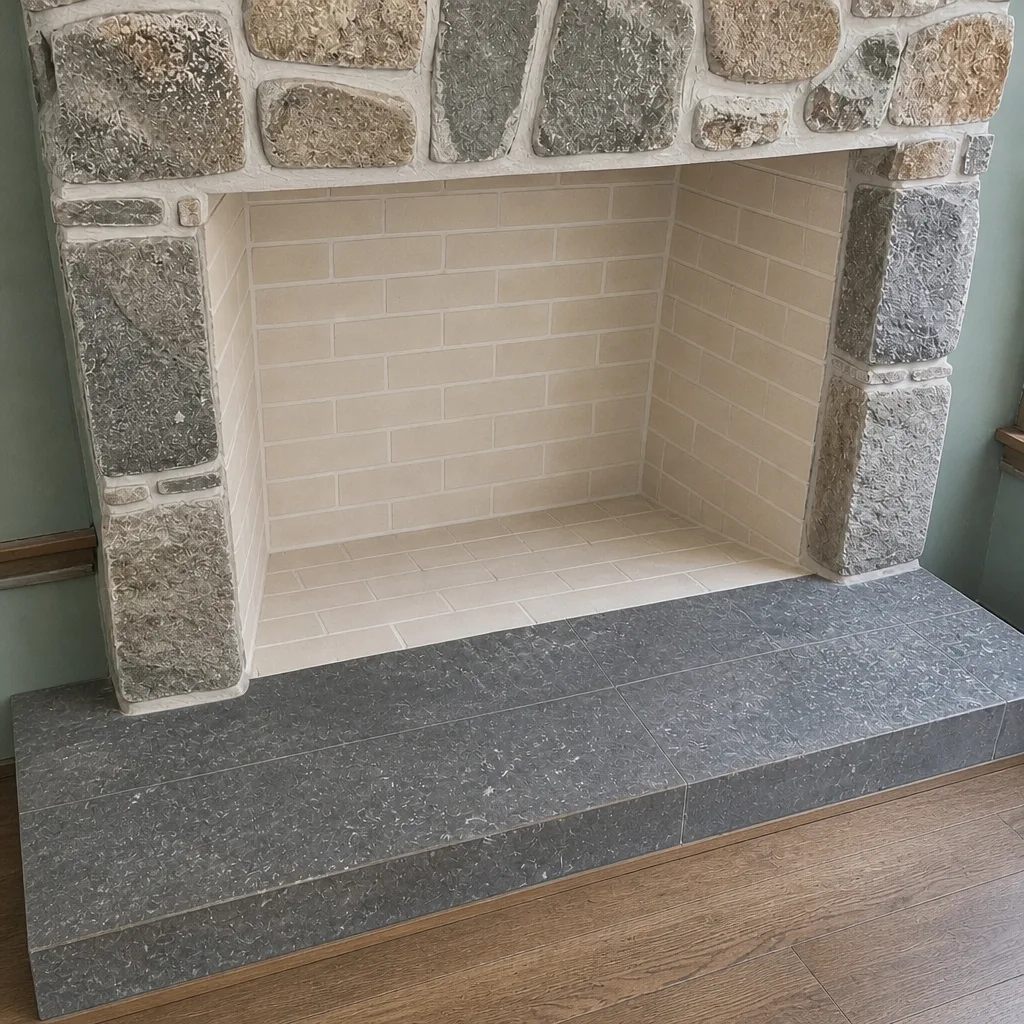
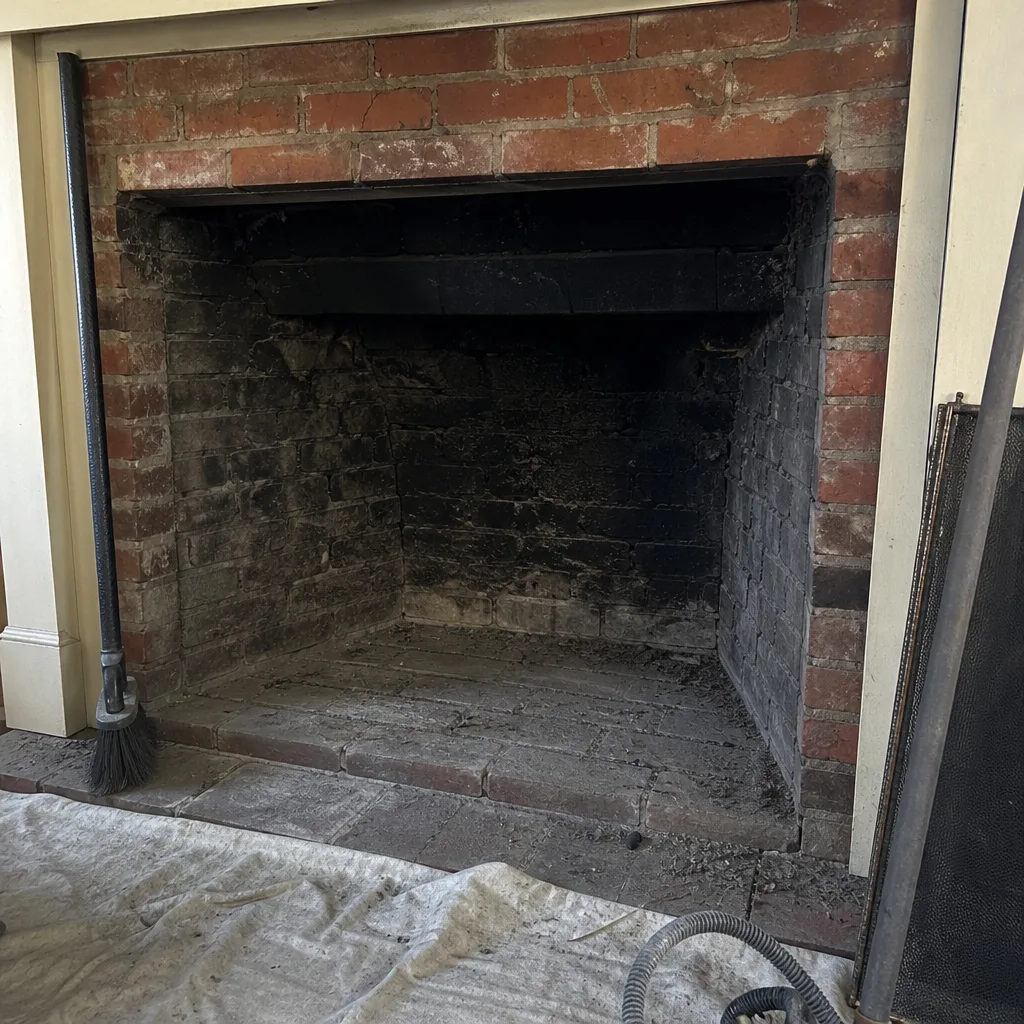
See the difference
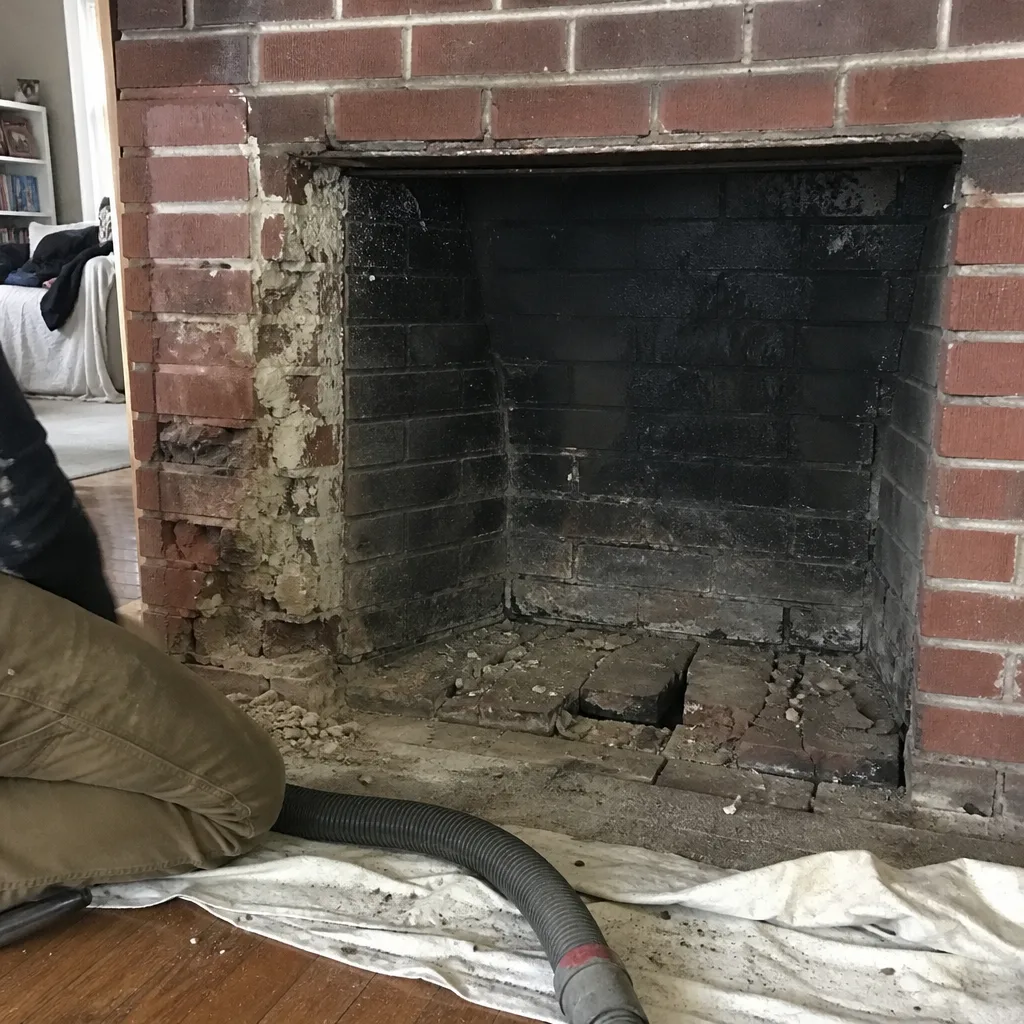 Before
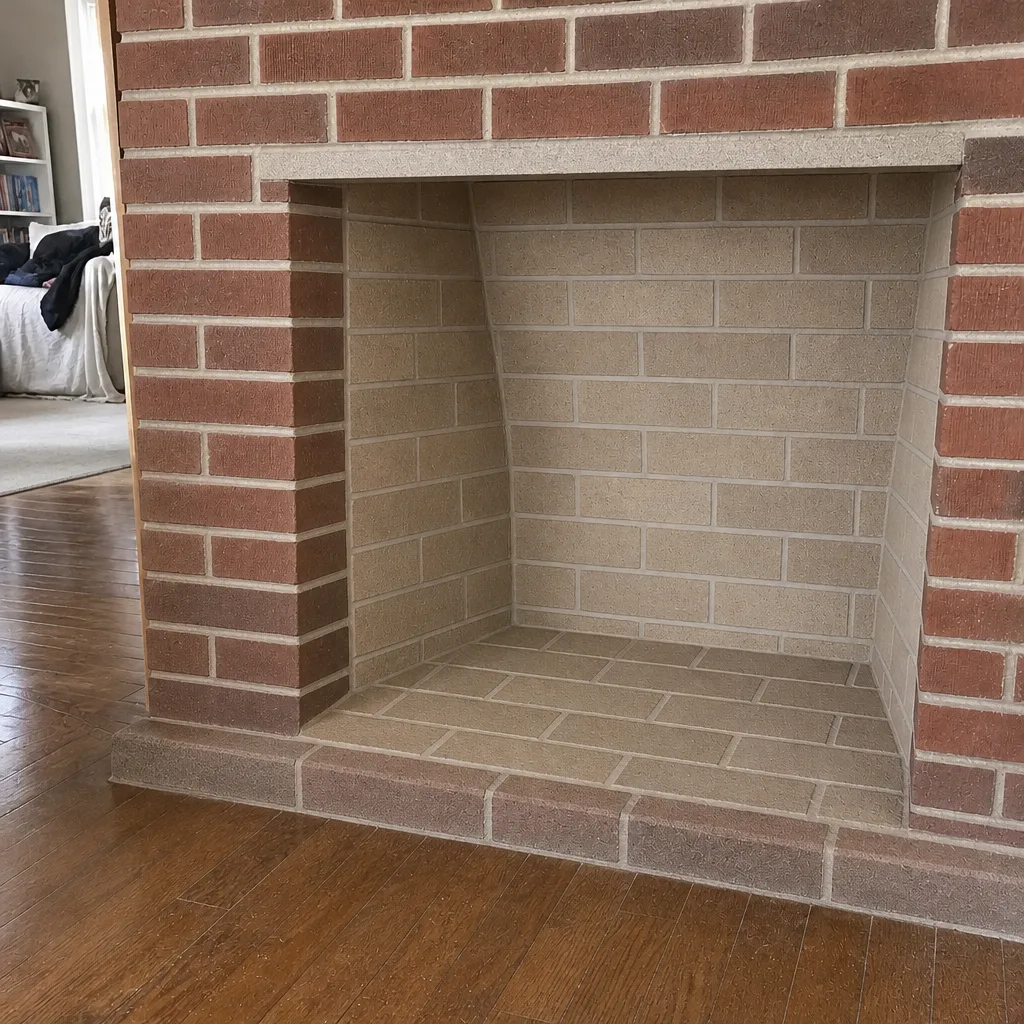 After
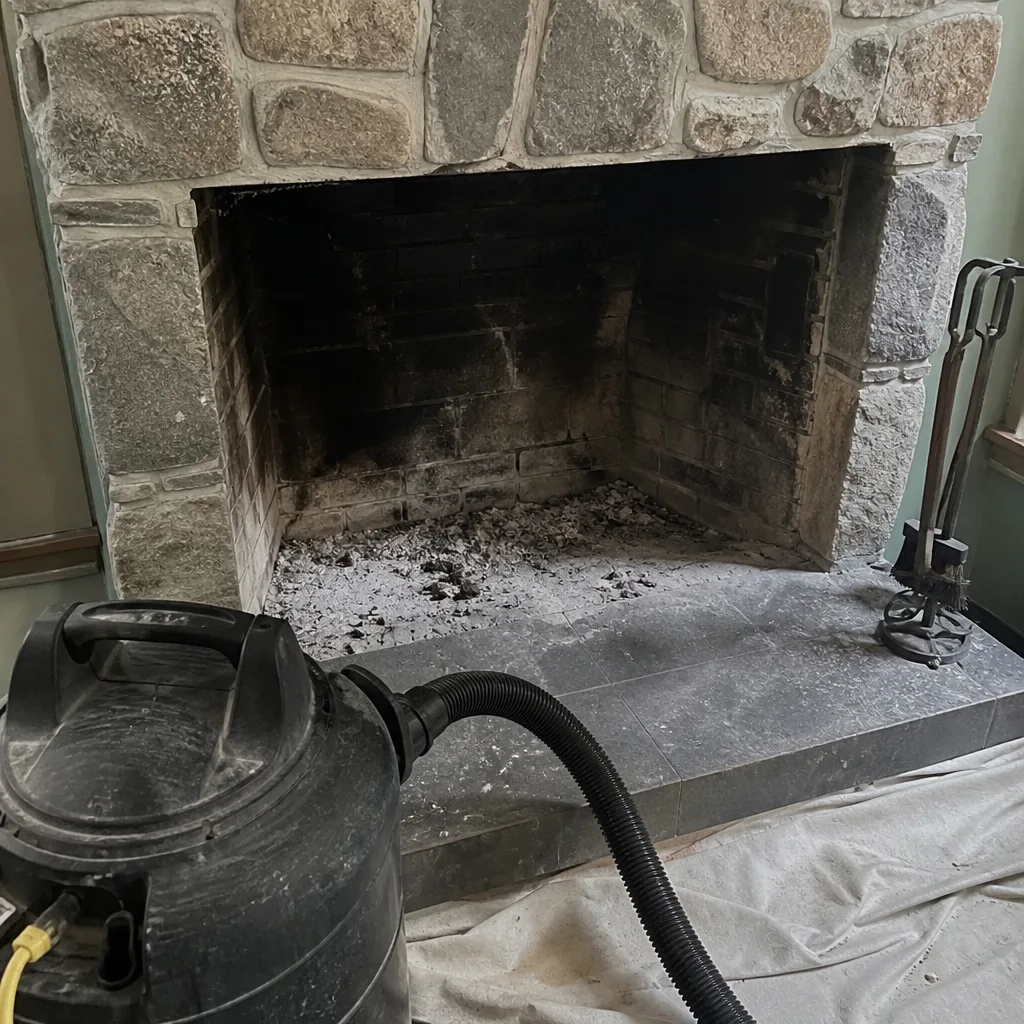 Before
 After
 Before
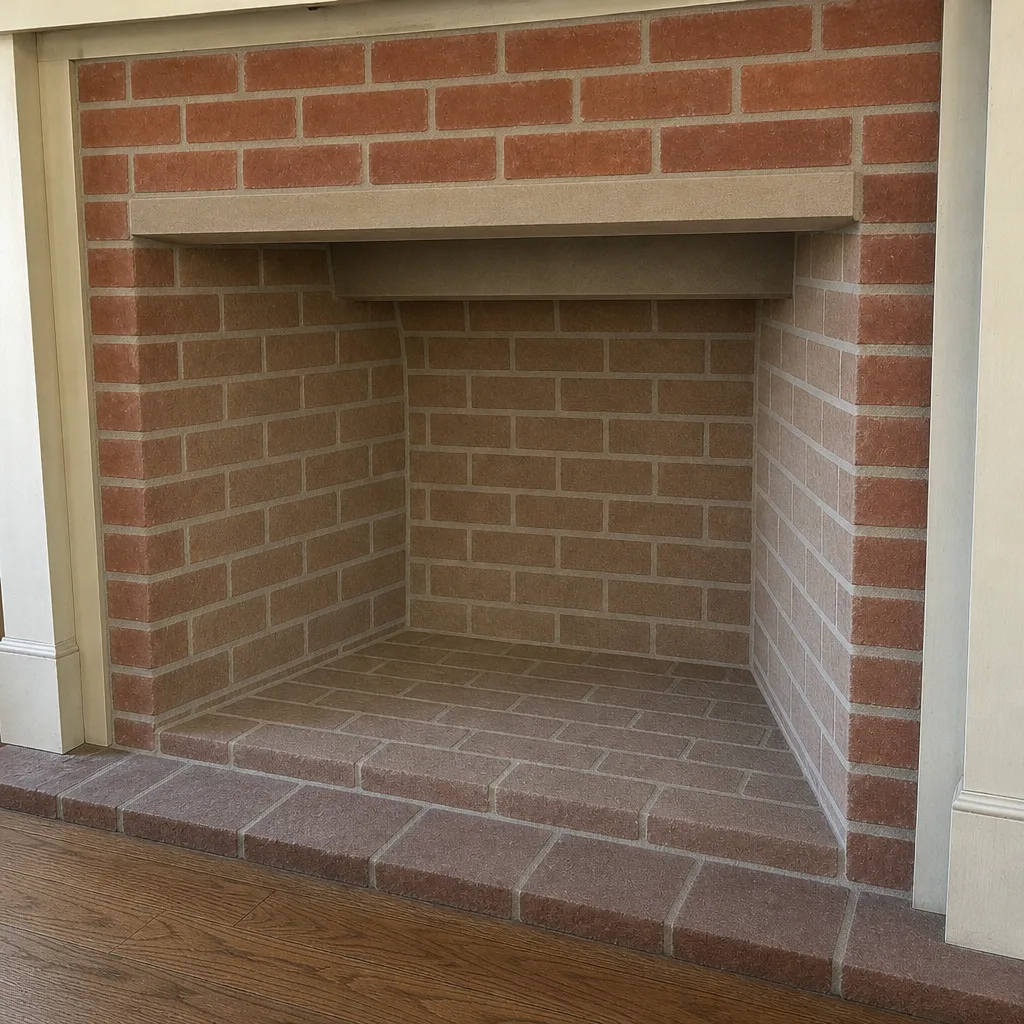 After
Frequently Asked Questions
Late August is the best time, because it puts you ahead of the fall rush that fills every appointment slot by mid-September. A pre-season cleaning in late summer means you know your flue’s condition before the first fire, and you still have September and October open for any repair the inspection turns up. Call (888) 804-9712 for an exact quote – estimates are free.
Most homes here should be swept once a year, and heavy burners may need a mid-season cleaning in winter. If you burn every day through the cold months, watch your draft and smoke behavior and schedule a cleaning if the fire starts acting differently. The annual sweep plus an inspection is the baseline. Call (888) 804-9712 for an exact quote – estimates are free.
Yes, and spring is actually the best time for an inspection because winter damage is visible and the season hasn’t started. Snow is off the roof, masonry has shown what the freeze-thaw cycle did, and any repair can be planned for the dry summer months. Call (888) 804-9712 for an exact quote – estimates are free.
Freeze-thaw cycles push water into masonry, freeze it, and pop the surface loose, which is why spalling and crown cracks show up on older chimneys here. The damage accumulates quietly during winter and becomes visible in spring. It’s the strongest argument for a spring inspection and summer repair. Call (888) 804-9712 for an exact quote – estimates are free.
You don’t have to, but it makes sense to check both fire-risk flues in the same visit. Dryer vent lint buildup is a real fire hazard, and most homeowners never inspect it. Handling it alongside the chimney also means one call to one crew instead of two separate contractors. Call (888) 804-9712 for an exact quote – estimates are free.
Creosote builds up, draft weakens, and the risk of a chimney fire climbs. You also lose the inspection that would have caught a failing liner or crown crack early, while it’s cheaper to fix. Skipping a season doesn’t guarantee a fire, but it means burning in a flue whose condition nobody has checked. Call (888) 804-9712 for an exact quote – estimates are free.
The Bottom Line
Manchester’s four seasons each put a different stress on a chimney, and the homeowners who plan around that get cleaner, safer fires and repairs done at the right time. Inspect in spring, repair in summer while masonry can cure, book the pre-season sweep in late August, and monitor your fire through the winter. That calendar, plus a proper annual cleaning and inspection, is the whole system. One crew can handle all of it: cleaning, repair, and Manchester dryer vent work in a single relationship, without a handoff. For a free estimate, call (888) 804-9712. We answer 24/7. Fast dispatch from 7am to 7pm, Sunday through Friday.
Written by the team at Manchester Chimney Cleaning, serving Manchester since 2012.