
Last updated November 14, 2026
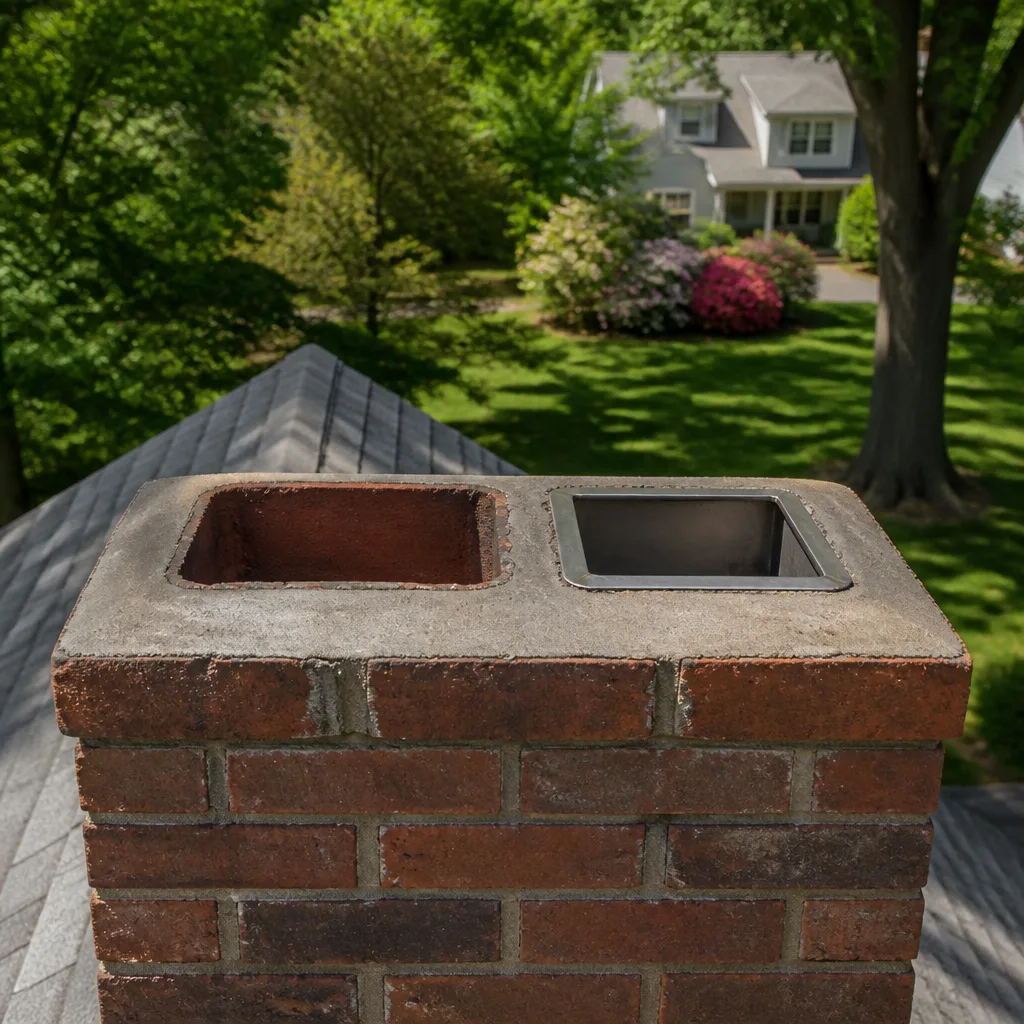 Sweep & inspection
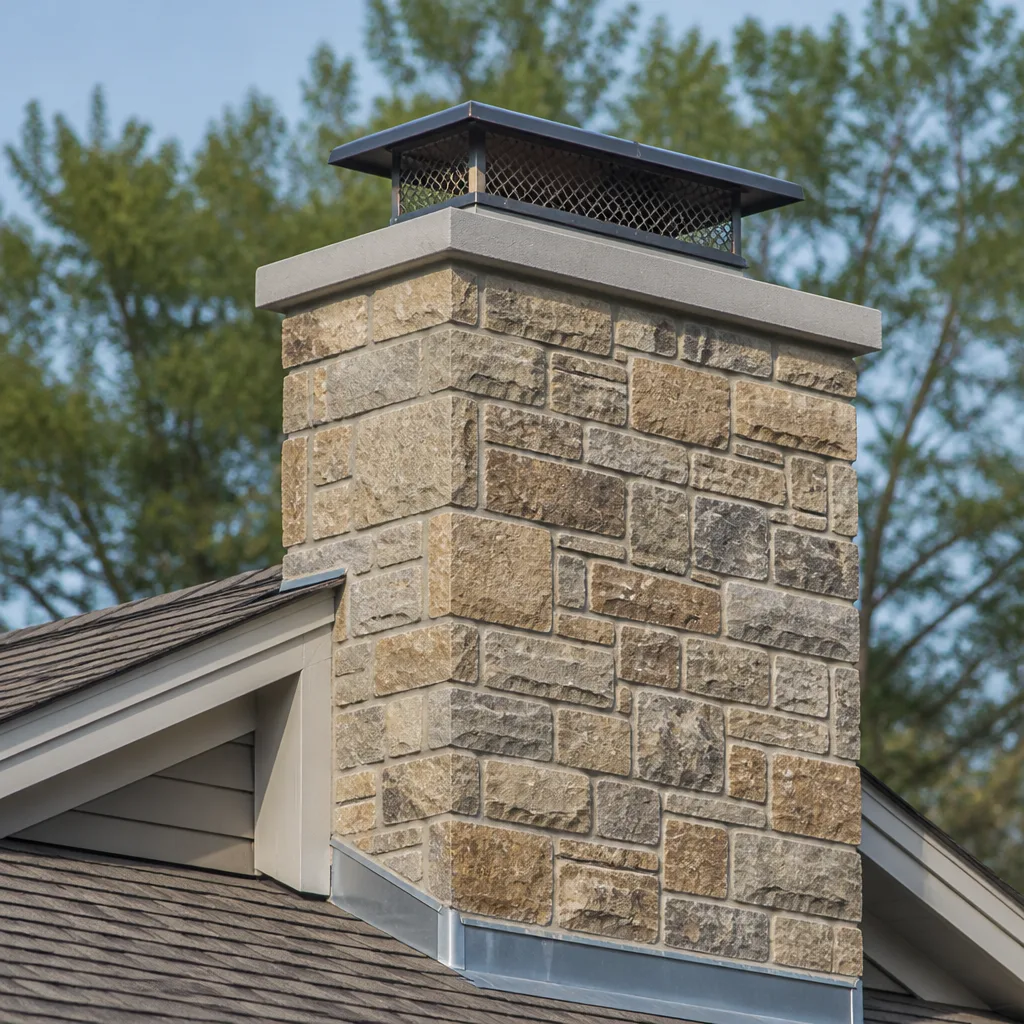 Caps & crowns
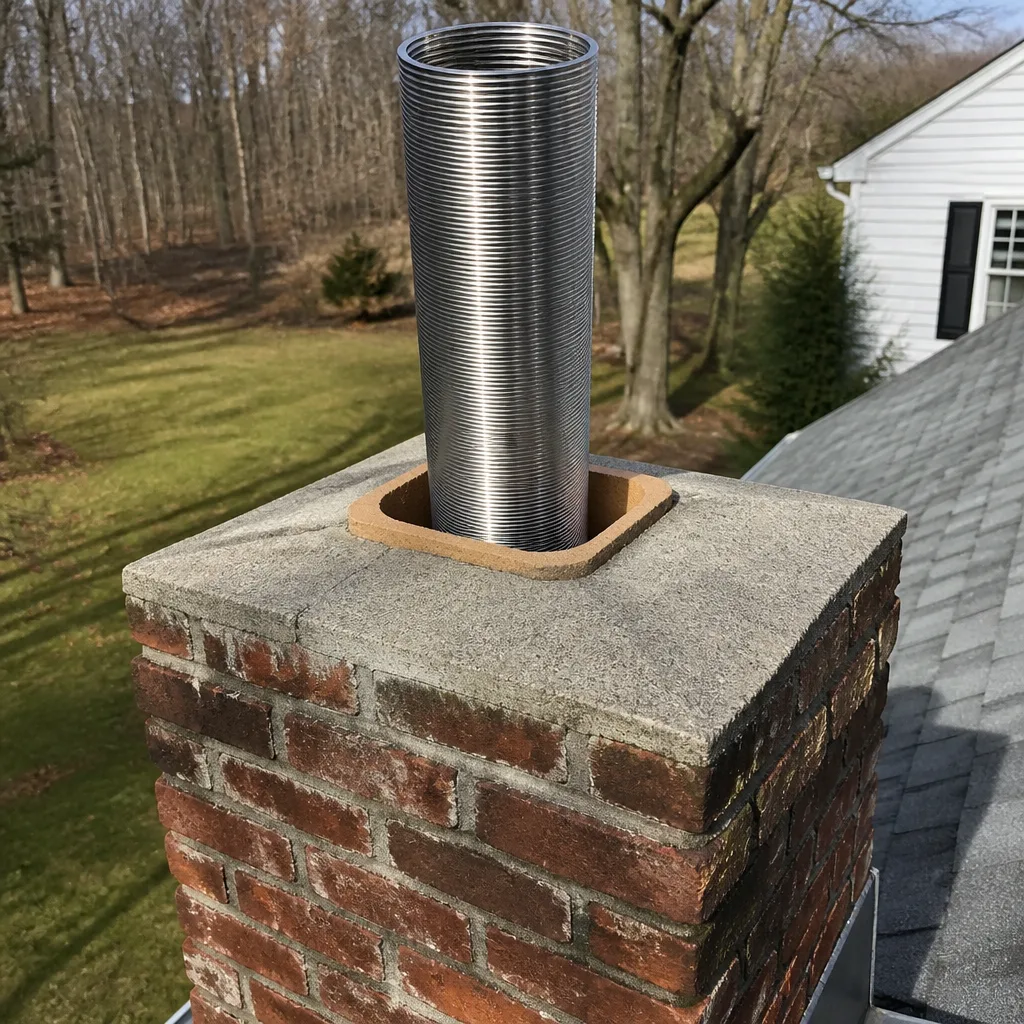 Flue relining
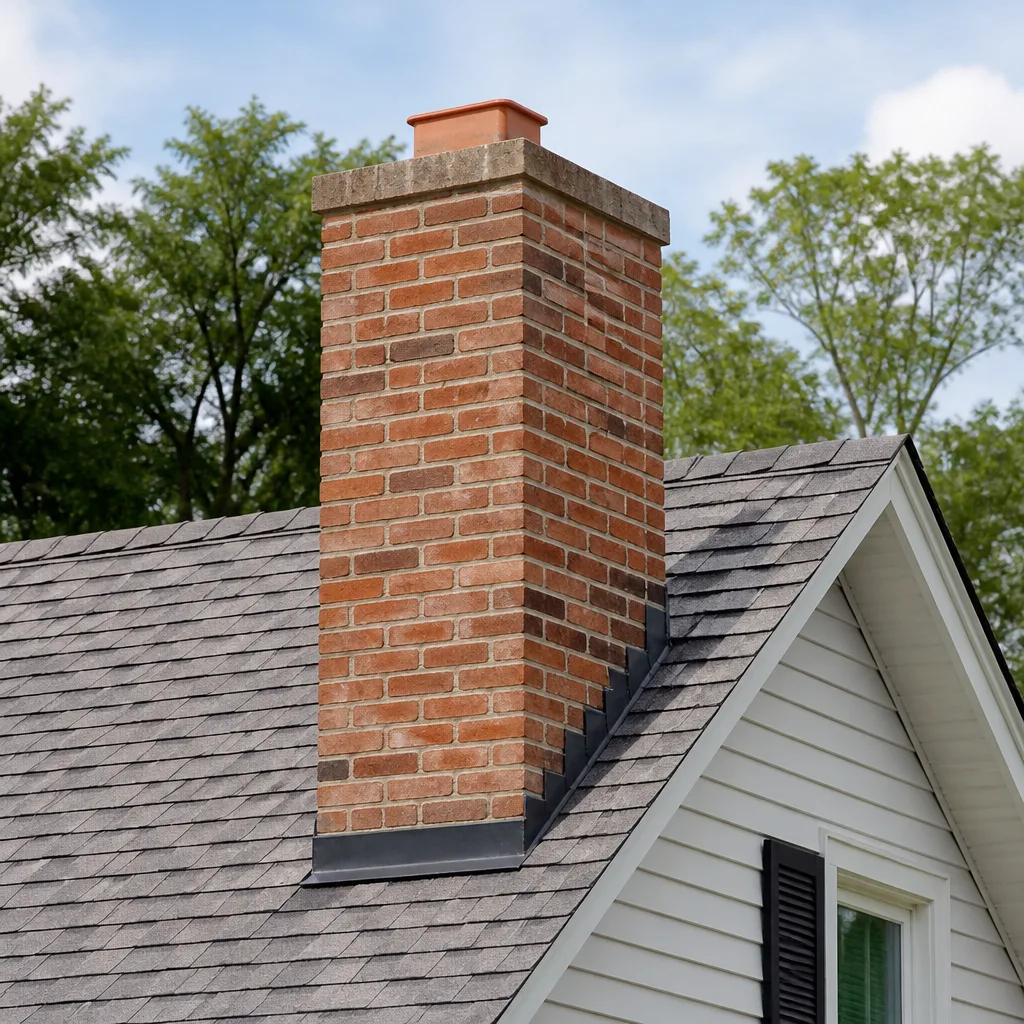 Masonry repair
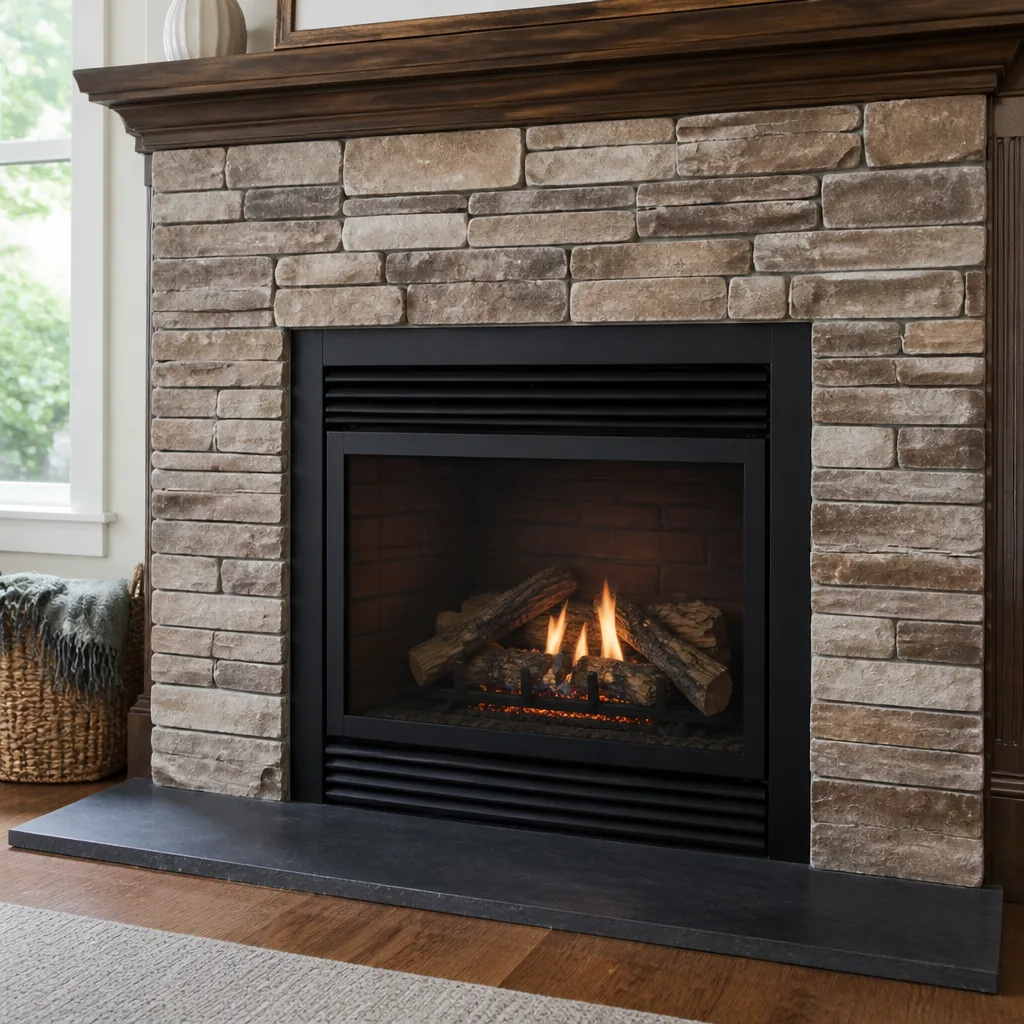 Gas fireplace service
Level 1 sweep and inspection to the NFPA 211 annual standard - flue, crown, cap, and flashing checked and photographed
Chimney sweep logs do not sweep chimneys. They loosen some creosote - which then falls where a brush and vacuum still have to collect it.
Chimney Cleaning Permits, Codes & Inspections in Manchester, NH: What You Need to Know
Here’s the assumption that causes the most trouble: that a chimney is your own private system, so nobody needs to sign off on work done inside it. For a routine sweep, that’s true. For a new liner, a rebuilt firebox, or a new appliance installation, it usually isn’t. Manchester homeowners tend to discover this halfway through a project, when a contractor mentions a permit they didn’t plan for, or a buyer’s inspector flags work that has no record behind it. This guide maps where routine maintenance ends and permitted alteration begins, which codes the inspectors here work from, and how to build a realistic permit timeline into a job before heating season arrives.
Quick Answer
A routine chimney sweep in Manchester, NH does not require a permit. Liner replacement, firebox or masonry reconstruction, and installation of a new wood stove, insert, or heating appliance generally do require a building permit, and the work has to meet NFPA 211 and the chimney provisions of IRC Chapter 10. A Level 2 inspection is the standard used to document a system before or after that kind of work, during a home sale, and after a chimney fire.
Styles & brands we work with
- Sweep & inspection
- Caps & crowns
- Flue relining
- Masonry repair
- Gas fireplace service
Table of Contents
- Routine Maintenance vs. a Permitted Alteration
- The Codes Manchester Inspectors Actually Reference
- When a Level 2 Inspection Is Required and When It’s Recommended
- How the Permit Timeline Works Here
- Checking Permit History Before You Buy a Home
- Why Unpermitted Work Matters to Your Insurer
- Questions to Ask Any Chimney Contractor
- Fitting All of This Around Heating Season
Routine Maintenance vs. a Permitted Alteration
The line between cleaning and construction is clearer than most people expect. Sweeping, vacuuming the firebox, checking the damper, and removing creosote are maintenance. So is a visual inspection, with or without a camera. None of that changes the structure of the system, so none of it enters the permitting process.
The moment the work alters the flue, the firebox, the chimney structure, or the appliance connected to it, you’re usually in permit territory. Across most New Hampshire municipalities, that means the work falls under the building code rather than a chimney-specific ordinance. Manchester is no different in principle, though the exact paperwork and fee schedule come from the city’s building department, and it’s worth a direct call before you sign anything. Ask specifically whether your scope of work needs a permit. The answer takes a couple of minutes and can save a project from stalling later.
What typically requires a permit:
- Installing a new stainless liner, or replacing an existing one
- Relining a flue for a new appliance with different venting requirements
- Rebuilding or repairing a firebox, smoke chamber, or crown
- Installing a wood stove, fireplace insert, or gas appliance with a new flue connection
- Removing or capping a chimney, or changing its height above the roofline
- Structural masonry work on the chimney stack itself
What typically does not:
- Annual sweeping and creosote removal
- Visual and camera inspections
- Damper adjustment or replacement of a damper handle
- Cap and screen replacement, where no flue modification is involved
- Minor mortar repointing on the exterior that doesn’t change the structure
One grey area catches people: a HeatShield liner restoration. This is a repair process that resurfaced the inside of an existing flue rather than installing a new liner, and whether it needs a permit depends on how the scope is written and how your local inspector classifies it. Ask the contractor to put the exact method on the estimate so the building department can answer clearly. Ambiguity on paper turns into delay on site.
The Codes Manchester Inspectors Actually Reference
Two documents define how a chimney is supposed to work. NFPA 211, the Standard for Chimneys, Fireplaces, Vents, and Solid Fuel-Burning Appliances, is the national standard for chimney construction and inspection. IRC Chapter 10, the chimney and fireplace chapter of the International Residential Code, is the model code that most states and cities adopt in some form. New Hampshire inspectors work from locally adopted code, which is built on these foundations, so knowing what the codes say about liners and clearances is the fastest way to understand what a permit inspection is actually checking.
What those codes require of a liner system, in plain terms:
- A continuous flue. The liner has to run unbroken from the appliance connection to the top of the chimney. Gaps, offsets without proper fittings, and partial liners fail this.
- Correct material for the appliance. A wood appliance requires a liner rated for solid fuel. A gas appliance requires one rated for the appliance’s venting category. The wrong material is a code failure even if it fits.
- Proper clearances to combustibles. The chimney structure must maintain the required distance from framing, sheathing, and insulation. This is what an inspector looks at when they walk into an attic.
- Correct termination height. The chimney must extend above the roof according to the code’s height rules relative to the roofline and nearby structures.
- Listed components installed per their listing. A flexible liner system has to be installed according to the manufacturer’s instructions, which is why we work with product lines like DuraFlex and Olympia Chimney that carry full installation documentation. When an inspector asks for the listing, it’s there.
Understanding what the codes want also tells you something useful: a permit inspection isn’t a formality, and it isn’t hostile. It’s a second set of eyes on the details that matter most, which is exactly the part of the system a homeowner can’t see.
When a Level 2 Inspection Is Required and When It’s Recommended
Chimney inspections are graded by level, and the difference matters more than most homeowners realize. A Level 1 inspection is a visual check of the readily accessible portions of the system, done during a routine sweep. A Level 2 inspection adds a camera run through the flue, plus inspection of accessible attic, crawlspace, and concealed areas, and it’s the level that produces documentation of the system’s condition.
When a Level 2 is required:
- Before or after an appliance change. Replacing a wood stove, insert, or gas appliance, or switching fuel type, changes the venting demands on the flue. The code requires the system be inspected to confirm it’s suitable for the new appliance.
- During a home sale. A Level 2 inspection is the standard documentation a buyer’s side will ask for, and it’s the only way to know what’s actually inside the flue before the transaction closes.
- After a chimney fire. Even a small fire can crack tiles, warp a liner, or damage the smoke chamber in ways you can’t see from the firebox.
- After an event that may have damaged the chimney. A lightning strike, a roof impact, or significant water intrusion all call for camera inspection rather than a visual check.
When it’s recommended but not mandated:
Any time the system’s history is unknown. If you’ve just moved into a home in Manchester and can’t say when the flue was last swept or inspected, a Level 2 with a camera gives you a baseline you’ll use for years afterward. The same applies after a change in how you burn: switching from occasional fires to regular heating, or from seasoned wood to a different fuel, changes how the flue behaves. Cameras and photo reports aren’t upsells here, they’re how you avoid guessing. When we run a camera, you see the footage and the stills, so nothing gets recommended to you that you can’t look at yourself.
How the Permit Timeline Works Here
Permit timelines in Manchester depend on the scope and the building department’s current volume, so any honest answer has to start with a call to the city rather than a promise. What we can say is how the sequence works and where the delays usually hide. Build that into your calendar before heating season, not during it.
The practical sequence:
- Get the scope in writing. The estimate should state exactly what’s being replaced or altered, the material and product line, and the appliance the flue will serve. Vague scopes are what cause permit questions to stall.
- Call the building department. Ask whether your specific scope needs a permit and what the application requires. This is a short call and the single most useful step in the process.
- File the permit before work begins. A permit pulled after the fact defeats its purpose and complicates everything downstream. Insist that the permit is issued to the property and that your contractor handles the paperwork.
- Do the work. The physical job itself (liner installation, masonry reconstruction, or appliance install) takes the time it takes, and it doesn’t get faster because the calendar is tight.
- Schedule the inspection. The inspector comes out to see the completed work. Keep the product documentation, the listing information, and the camera footage on hand. It answers most questions before they’re asked.
- Keep the record. Store the permit and inspection documents with your home’s other paperwork. They matter at resale and they matter if you ever file an insurance claim.
The pattern we see is that the work itself is rarely the bottleneck. Scheduling the inspection is. Late summer and early autumn fill up fast because everyone in the area with a cold fireplace suddenly wants it addressed before October, so the homeowners who call in spring or early summer tend to sail through and the ones who wait into September are the ones doing the calendaring. If your project is a liner replacement or an appliance swap, start the permit question now, even if the work itself happens later. Manchester Chimney Cleaning can walk you through the scope so the paperwork is straightforward.
Checking Permit History Before You Buy a Home
If you’re buying a house in Manchester with a fireplace, wood stove, or gas insert, checking the permit history of the chimney system is worth a call to the city before you remove contingencies. Unpermitted liner work is one of the more common surprises in older homes here, and it’s exactly the kind of thing a visual walkthrough can’t show you. What you’ll typically want to do:
- Ask the seller for documentation. Permit records, inspection records, and the contractor’s written scope. If a liner was installed, there should be a record of what was installed and when.
- Call the city building department. Give them the address and ask what permits have been pulled on the property. Unpermitted work usually shows up as an absence, not a flag: no record where the seller describes a substantial job.
- Get a Level 2 inspection before closing. A camera inspection is the only way to know what’s actually in the flue, and the report is your leverage if the system needs to be brought up to code.
- Look at what’s on record. An unpermitted liner installation often shows up as a record for “chimney repair” or nothing at all, while the seller describes a full reline. That’s not proof of a problem, but it’s a reason to inspect before closing.
- Price the correction into the deal. If the inspection finds work that isn’t to code, you have the leverage to negotiate the cost of making it right. After closing, that leverage is gone.
The focus should be on documentation, not on suspicion. Plenty of unpermitted work is done by competent people who skipped a step they didn’t know existed. What matters is that you know what you’re buying before the keys change hands.
Why Unpermitted Work Matters to Your Insurer
Homeowners insurance policies vary widely, and we’re not the people to read yours for you, so take this as a general point about how policies behave. Most policies contain language about work that was done without required permits or in violation of code. When a claim comes in after a fire, insurers investigate how the chimney was built and maintained, and an unpermitted liner replacement or appliance installation can complicate coverage even when the work itself was done well.
What this means in practice:
- A permit isn’t just paperwork. It’s documentation that required work was inspected by someone other than the contractor who did it. That documentation is what an insurer wants to see.
- Records protect you at resale too. A buyer’s inspector and their insurance company both care about what the chimney’s history says. Missing records raise questions.
- The cost of doing it right is small compared to the alternative. Permit fees and inspection scheduling are a fraction of a rework or a contested claim.
If you’re unsure whether a prior installation on your home was permitted, a Level 2 inspection plus a call to the building department gives you the answer. If the work was unpermitted, finding out now lets you correct it on your own schedule rather than discovering it in the middle of a claim.
Questions to Ask Any Chimney Contractor
The quality of the paperwork tells you a lot about the quality of the work you’re about to pay for. Before you hire anyone for a Manchester chimney job that involves structure, a liner, or a new appliance, get clear answers to these. A professional will answer without hesitation.
- Will you pull the permit? The answer should be yes, and it should be included in the scope. A contractor who suggests skipping the permit for a liner or appliance install is telling you how they operate.
- What product line will be installed? Not just “stainless liner,” but the manufacturer and product family. We work with DuraFlex, Olympia Chimney, Copperfield, Famco, and HeatShield among others, because those lines come with full documentation and installation listings. You deserve to know what’s going into your flue.
- Will I get a camera inspection and a written report? A proper inspection produces photos and findings you can review, not a verbal summary in your driveway.
- What does the scope exclude? A clear estimate states what’s included and what isn’t. The masonry that turns up after the old liner comes out is the most common scope surprise.
- Do you do the repair as well as the inspection? Handoffs between an inspection company and a repair crew are where things get dropped. One crew, one call is simpler and stays accountable.
- What does the estimate look like? Ours is a written, flat-price scope agreed before the work begins. The final price is whatever the written estimate says, and nothing is added mid-job without a conversation.
These questions work on any contractor, in any part of Manchester. They also tend to sort out the crews who can handle the entire job from the ones who can only clean it.
Fitting All of This Around Heating Season
Manchester’s heating calendar is the quiet driver of every decision in this guide. The area gets real winters, which means the busy window for chimney work runs roughly from September through December, when every household with a fireplace or wood stove realizes it’s about to be needed. The calendar matters because permit scheduling, inspection appointments, and the work itself all compete for the same few weeks.
A realistic way to build the year:
- Spring and early summer: the best window for any project that requires a permit. The building department, the inspection calendar, and the repair crews all have room. A liner replacement or firebox rebuild done now is a system you don’t have to think about come October.
- Late summer: the ideal time for the annual sweep. Your flue is clean and inspected before the first fire, and if anything’s found wrong, there’s still time to schedule the repair before the cold.
- Autumn: the busiest stretch for cleaning and inspection. Book early, because the calendar fills.
- Winter: the right season for repairs that emerged during heating. If a liner fails mid-season, a camera inspection confirms what’s going on, and the repair gets scheduled for the first clear opening.
And the dryer vent, which is the other flue in most Manchester homes and the one people forget. It’s not part of the chimney permit conversation, but it’s the other leading cause of residential fires related to venting, and having it cleaned in the same seasonal appointment as the chimney means both are done before the house starts running hot. Our dryer vent cleaning uses purpose-built Famco products, which is a different job from a chimney sweep and deserves the right materials.
Common Mistakes to Avoid
- Assuming every chimney job needs a permit. It doesn’t, and paying for one on a routine sweep wastes time and money. Call the building department and ask about your specific scope; a two-minute call beats a wrong assumption in either direction.
- Assuming no chimney job needs a permit. This is the more expensive mistake. A liner replacement or appliance install without a permit can complicate an insurance claim and complicate a sale, even if the work is well executed.
- Skipping the Level 2 inspection on a home purchase. A visual walkthrough of a firebox tells you nothing about the inside of the flue. In Manchester’s older housing stock, the flue interior is where the surprises live.
- Hiring the inspection and the repair from two different companies. The handoff is where findings get lost and where accountability gets vague. One crew that does both keeps the job coherent from first camera run to final inspection.
- Scheduling a permit project for September. The inspection calendar is backed up by late summer in a way that early summer doesn’t reflect. Plan structural work for spring.
- Accepting a verbal inspection report. Photo documentation is the point of a Level 2 inspection. If you can’t see the footage, you can’t verify the recommendation.
- Forgetting the dryer vent. Two vented flues in the house, and only one of them usually gets maintained. Pair the cleaning so both are addressed on the same schedule.
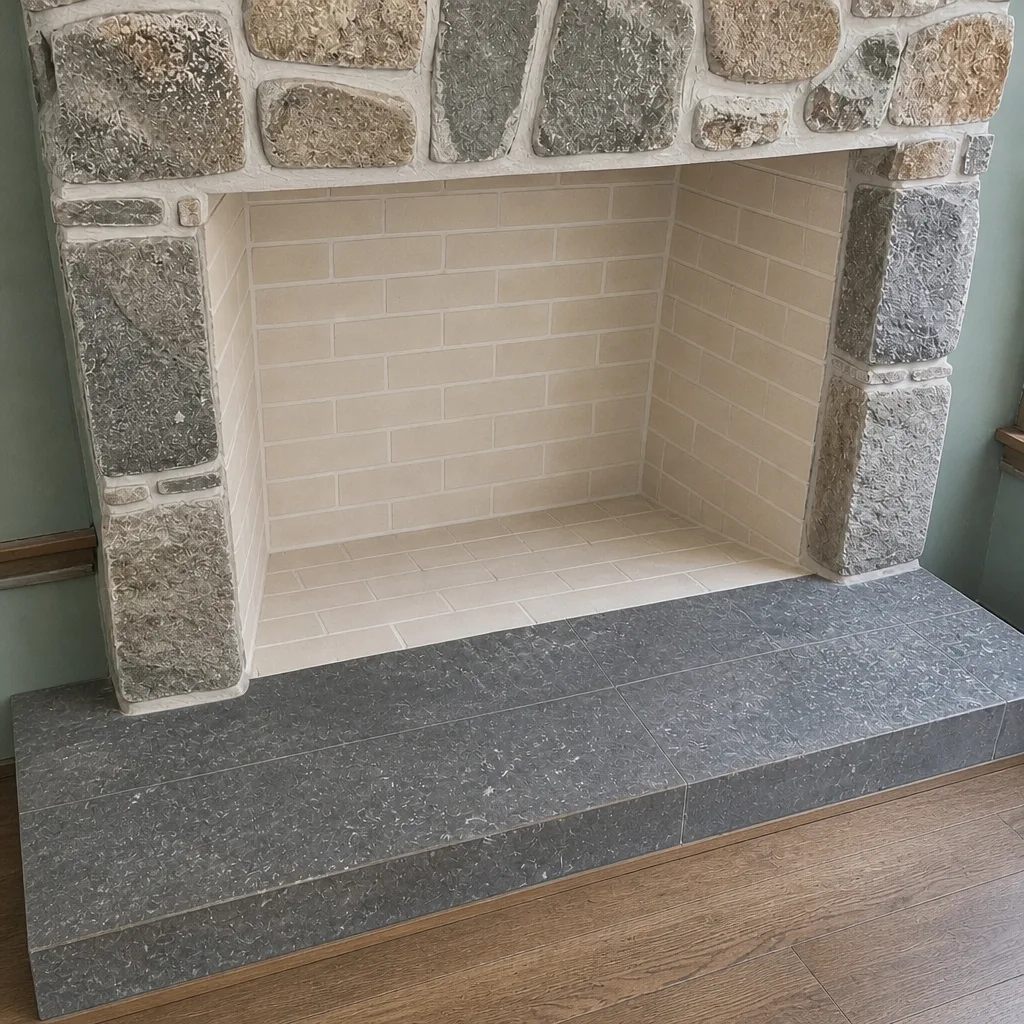
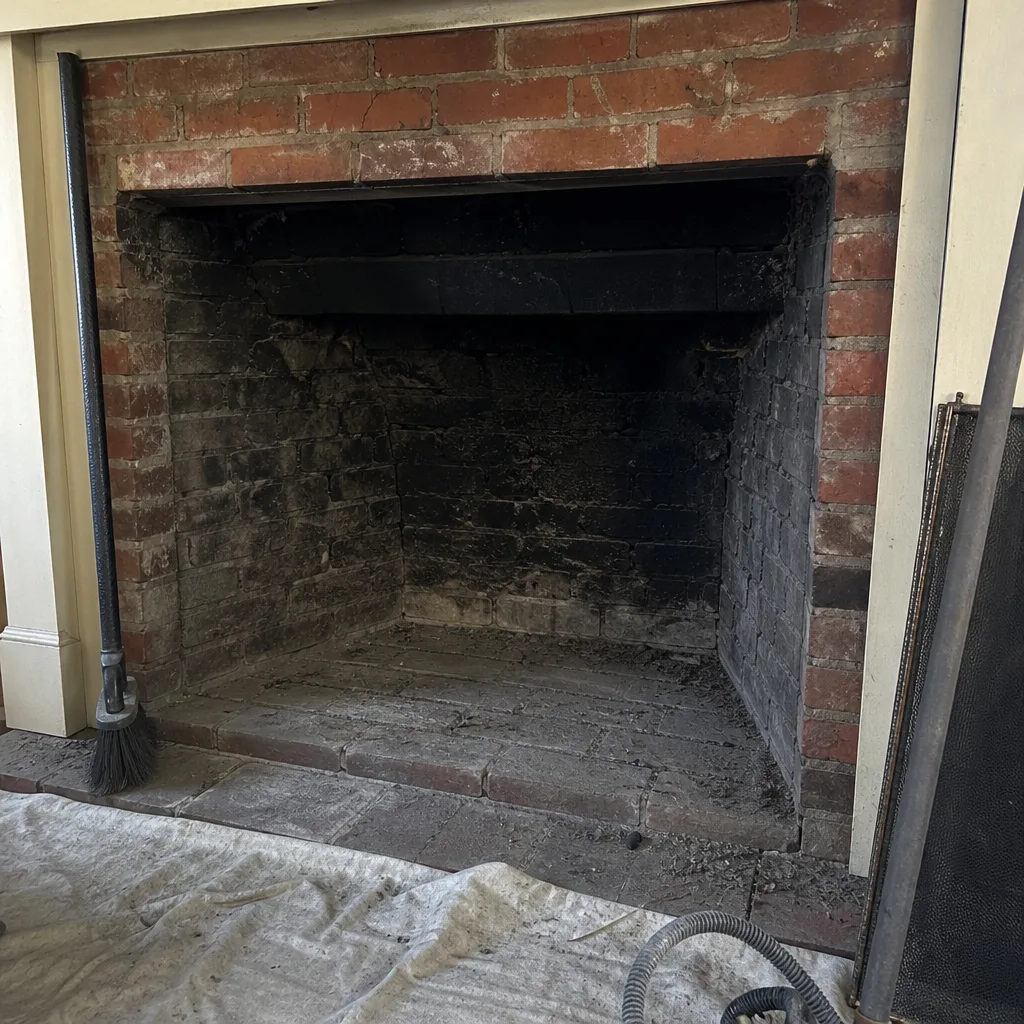
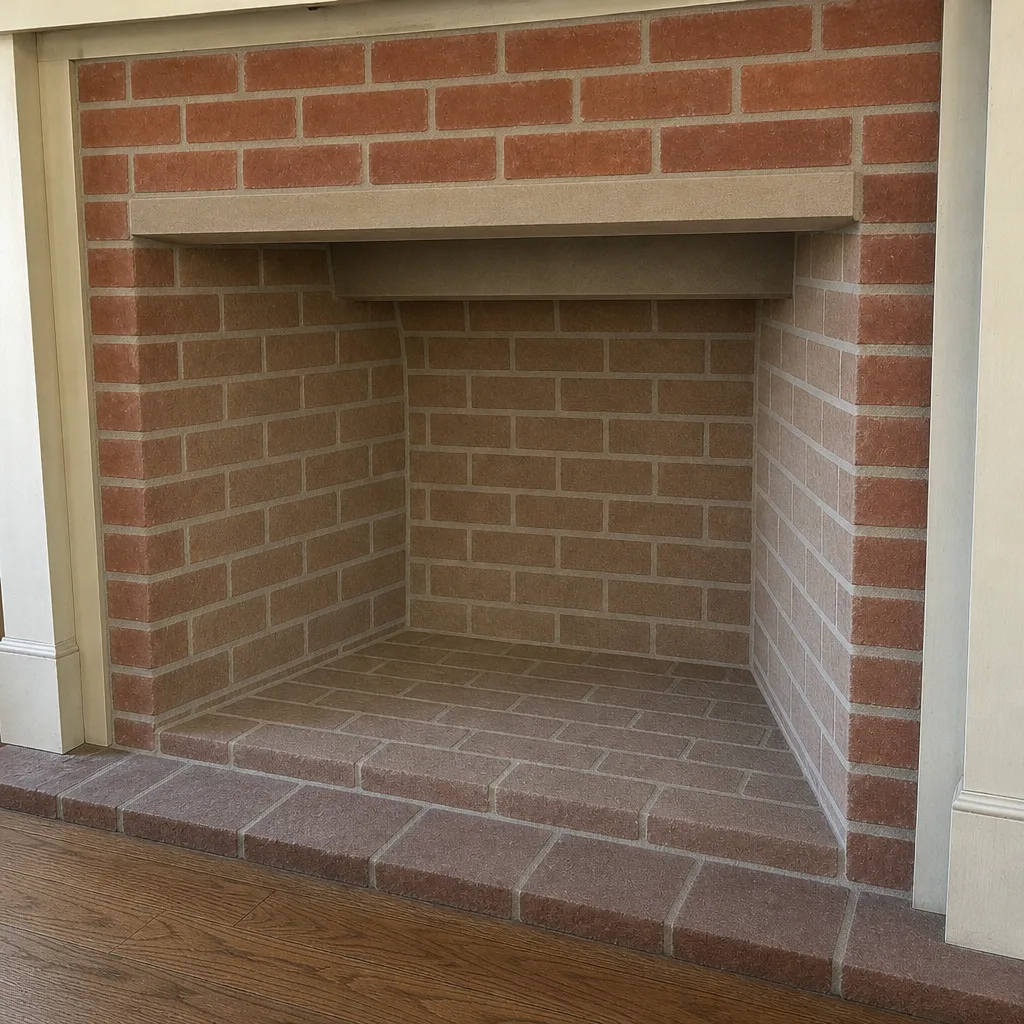
See the difference
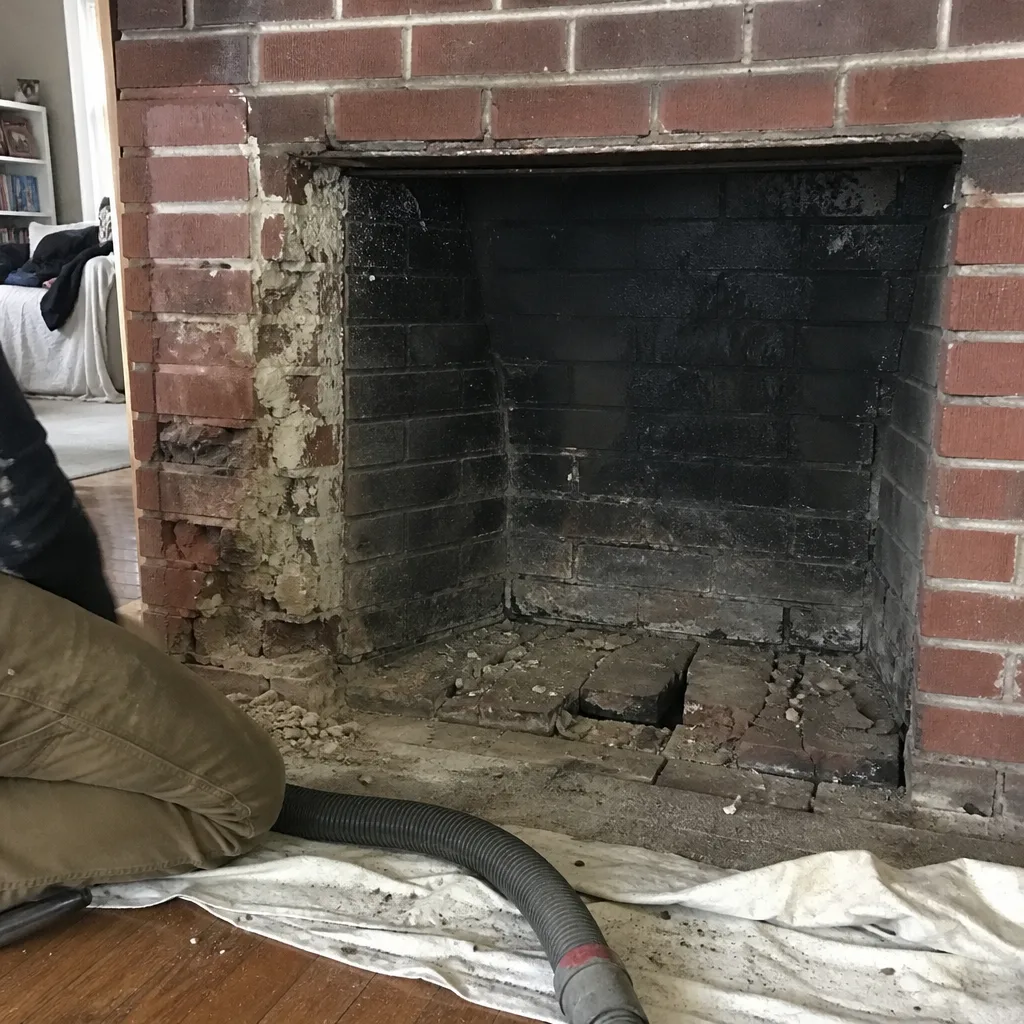 Before
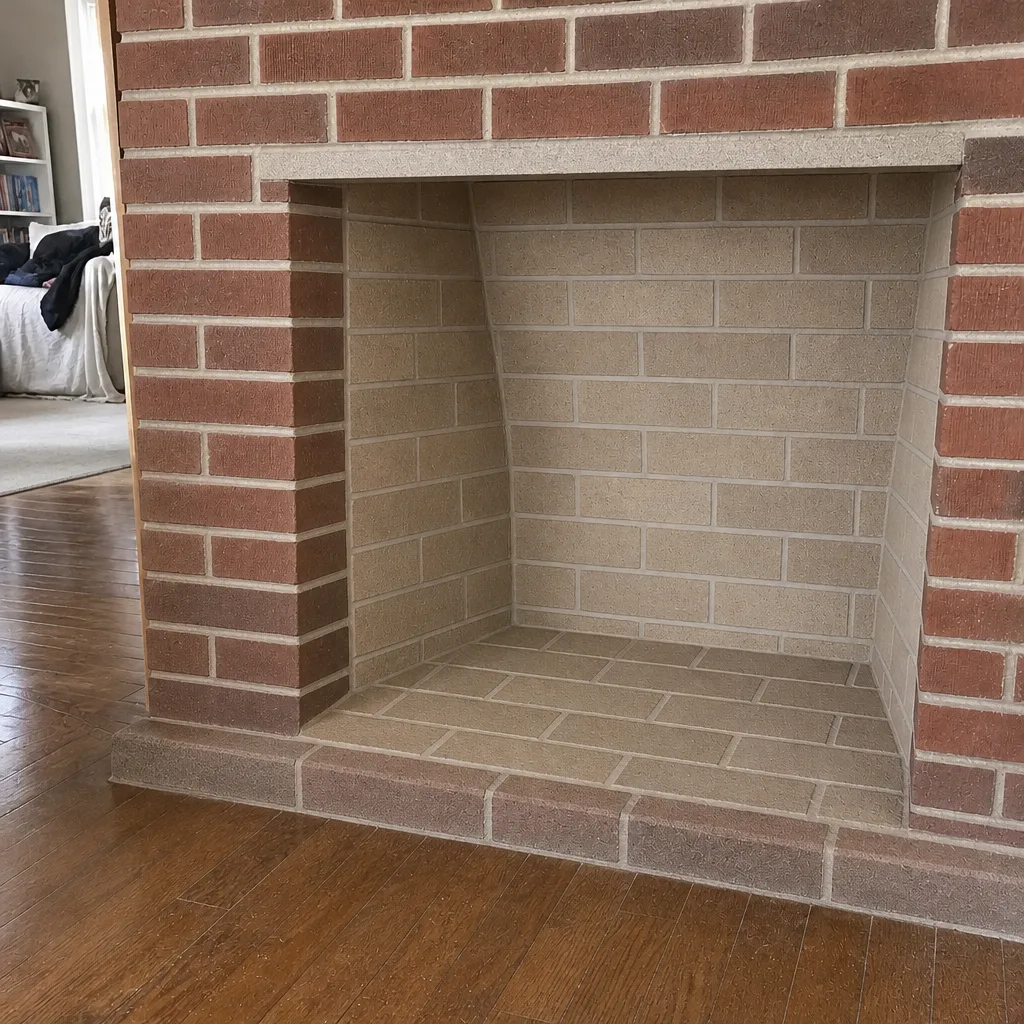 After
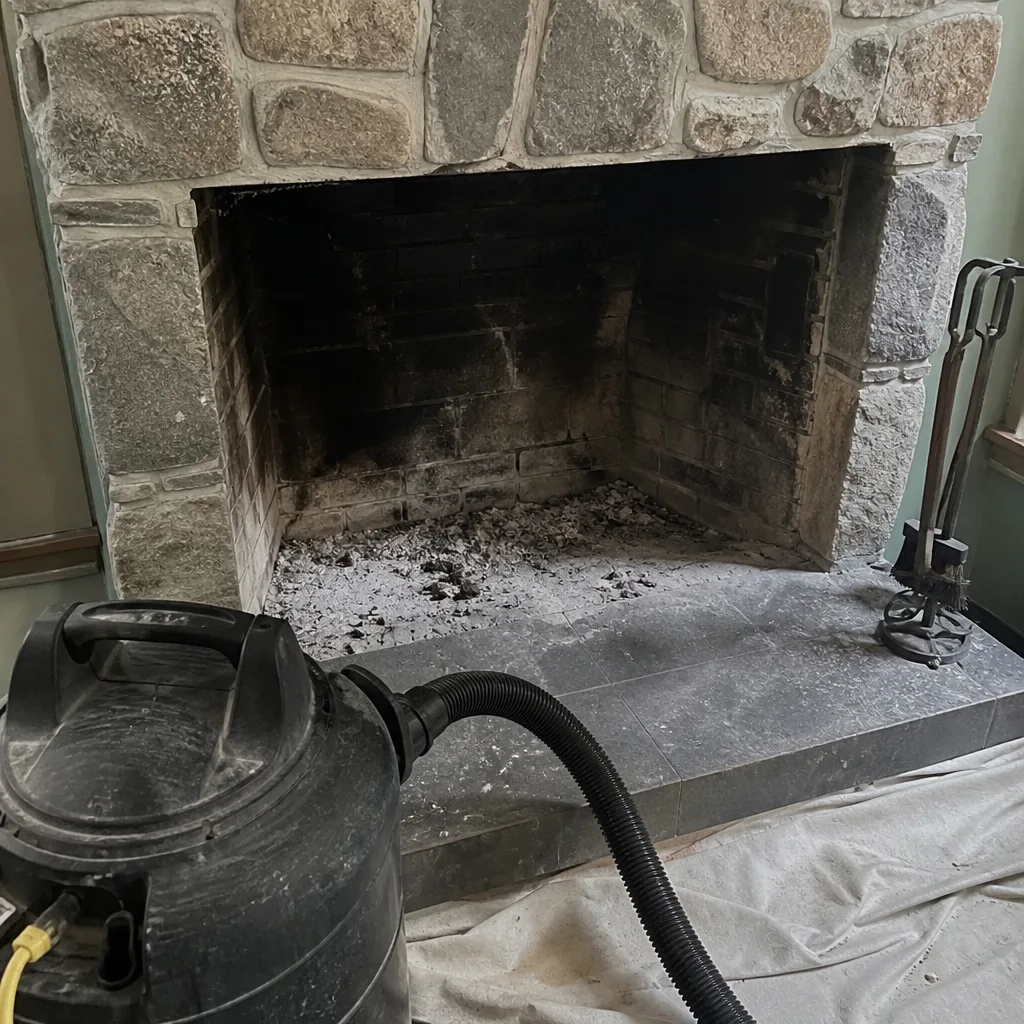 Before
 After
 Before
 After
When to Call a Professional
Call a professional when the question isn’t “is the chimney dirty” but “is the system right.” That includes any moment a new appliance is being connected, any time a liner needs replacing or relining, any time the flue’s history is unknown, and any time masonry or a smoke chamber needs repair. It includes chimney fires, even small ones, because the damage is often inside the flue where you can’t see it. And it includes the annual sweep, since that’s the appointment that catches most problems before they become permit-level projects. Manchester Chimney Cleaning handles inspection, sweeping, and repair under one roof, which means the problem identified on the camera is the problem we fix. Our chimney sweep includes camera inspection and a photo report, and estimates are free. Call (888) 804-9712. We answer 24/7. Fast dispatch from 7am to 7pm, Sunday through Friday.
Frequently Asked Questions
No. Routine chimney cleaning and sweeping in Manchester, NH does not require a permit because it doesn’t alter the structure of the flue, firebox, or appliance. If the job shifts from cleaning to liner replacement, firebox reconstruction, or a new appliance install, a permit is usually required. Call the city building department to confirm the scope before work begins. Call (888) 804-9712 for a free estimate on the cleaning side.
In most cases, yes. Installing or replacing a flue liner changes the venting system, which is work that falls under the building code, and the installation has to meet NFPA 211 and IRC Chapter 10 requirements for material, continuity, and clearances. The permit also gets you an inspection that documents the work for your records, your insurer, and a future buyer. The written estimate should state the permit as part of the scope. Call (888) 804-9712 to talk through what your project involves.
A Level 2 inspection is generally required when an appliance is changed or added, when a home is being sold, and after a chimney fire or other event that may have damaged the system. It’s recommended any time the system’s history is unknown, such as after moving into a new home. The difference matters because a Level 1 inspection is visual and a Level 2 adds a camera run through the flue and access to concealed areas. Nothing gets recommended on a camera inspection you don’t get to see. Call (888) 804-9712 to book one.
Call the city building department, give them the property address, and ask what permits have been pulled. Unpermitted work usually shows up as an absence of records rather than a flag, so compare the permit history against what the seller describes. If a substantial liner or appliance job was done and there’s no permit on record, get a Level 2 inspection before closing. It’s the only way to know what’s actually inside the flue. Call (888) 804-9712 for a straightforward inspection report.
It can, yes. Most policies contain language about work done without required permits or in violation of code, and an insurer investigating a fire will look at how the chimney was built and maintained. Unpermitted liner or appliance work can complicate a claim even when the work itself was done competently. The fix is documentation: a permit, an inspection record, and a camera report. If you’re unsure whether a prior installation was permitted, this is the year to find out. Call (888) 804-9712 for an inspection.
It depends on the scope and the building department’s current volume, so any specific timeline has to come from the city rather than from a contractor. What’s reliable is the sequence: get the scope in writing, confirm the permit requirement with the building department, file before work starts, complete the work, and schedule the inspection. Starting the process in spring gives you room for every step. Manchester Chimney Cleaning writes a flat-price scope agreed before booking, so the paperwork side is as clear as the work. Call (888) 804-9712 for an estimate.
The Bottom Line
Cleaning is maintenance. Altering the flue, the firebox, or the appliance is construction, and construction in Manchester means a permit, an inspection, and a record. NFPA 211 and IRC Chapter 10 are the standards the inspection is checking against, and a Level 2 camera inspection is how you learn what’s actually inside a system you can’t see. The permitting process itself is not the hard part; scheduling is, especially as autumn fills up. Handle the permit question in spring, keep the records with your home’s paperwork, and the system becomes one less thing to worry about once the cold arrives. Whether it’s a routine Manchester sweep or a liner project, you don’t need to guess who to call.
Manchester Chimney Cleaning offers free estimates throughout Manchester and the surrounding area. We handle the sweep, the dryer vent, and the repair under one roof, using professional-grade product lines so the job is done with materials that hold up and document properly. Call (888) 804-9712. We answer 24/7. Fast dispatch from 7am to 7pm, Sunday through Friday.
Written by the team at Manchester Chimney Cleaning, serving Manchester since 2012.