
Last updated November 14, 2026
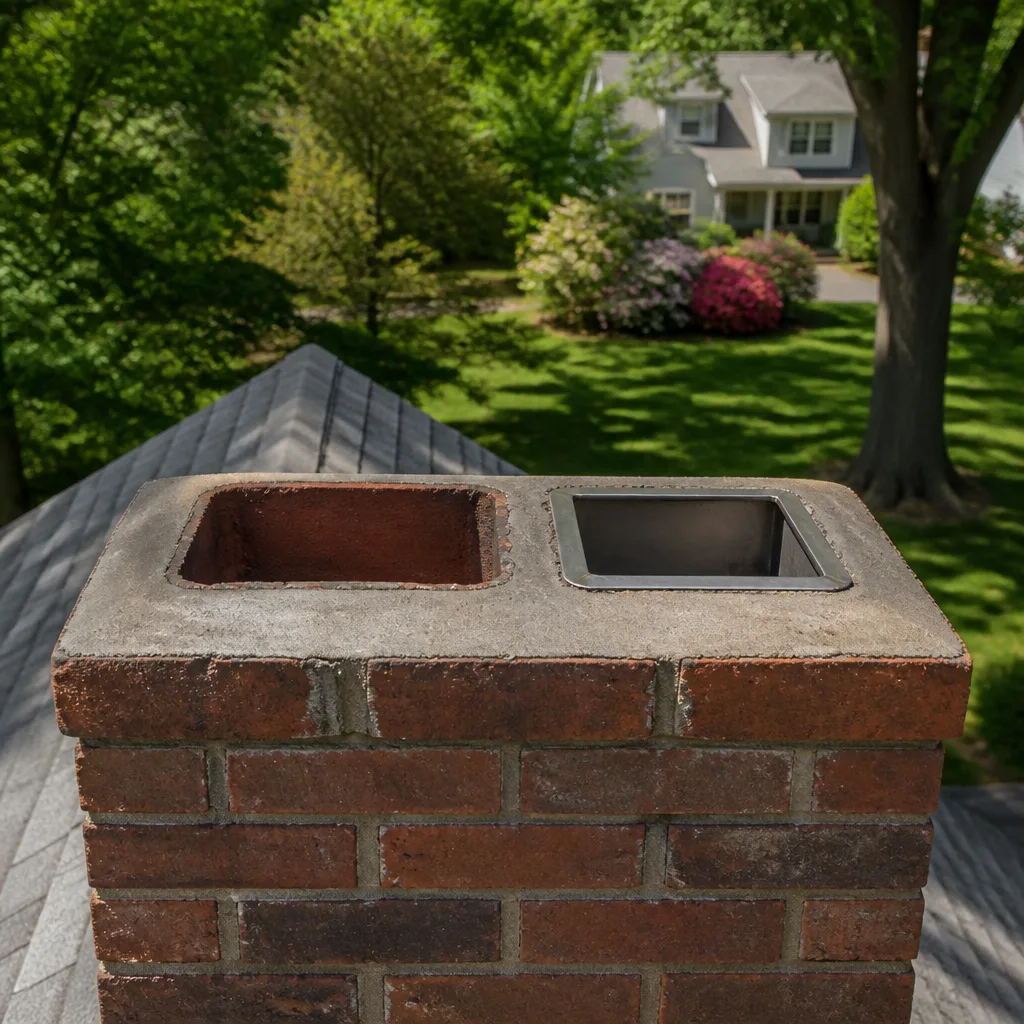 Sweep & inspection
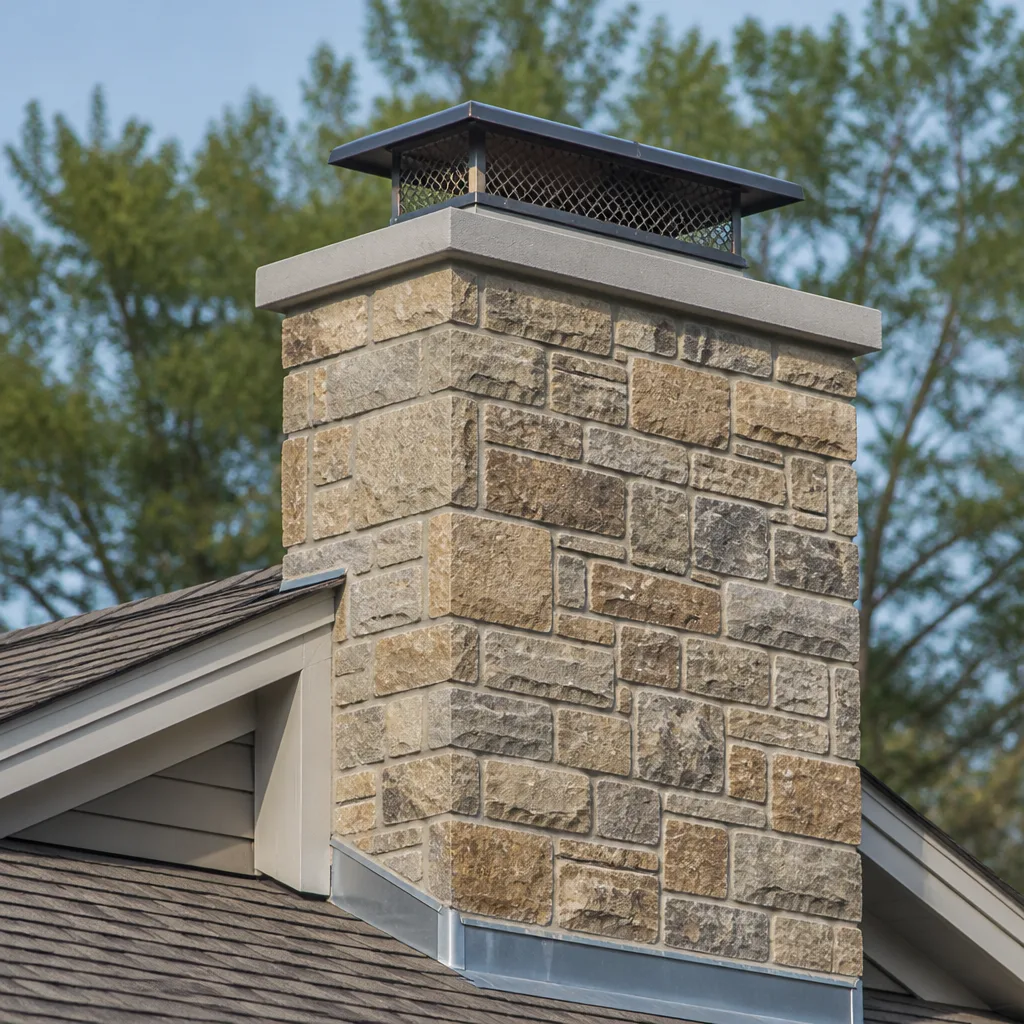 Caps & crowns
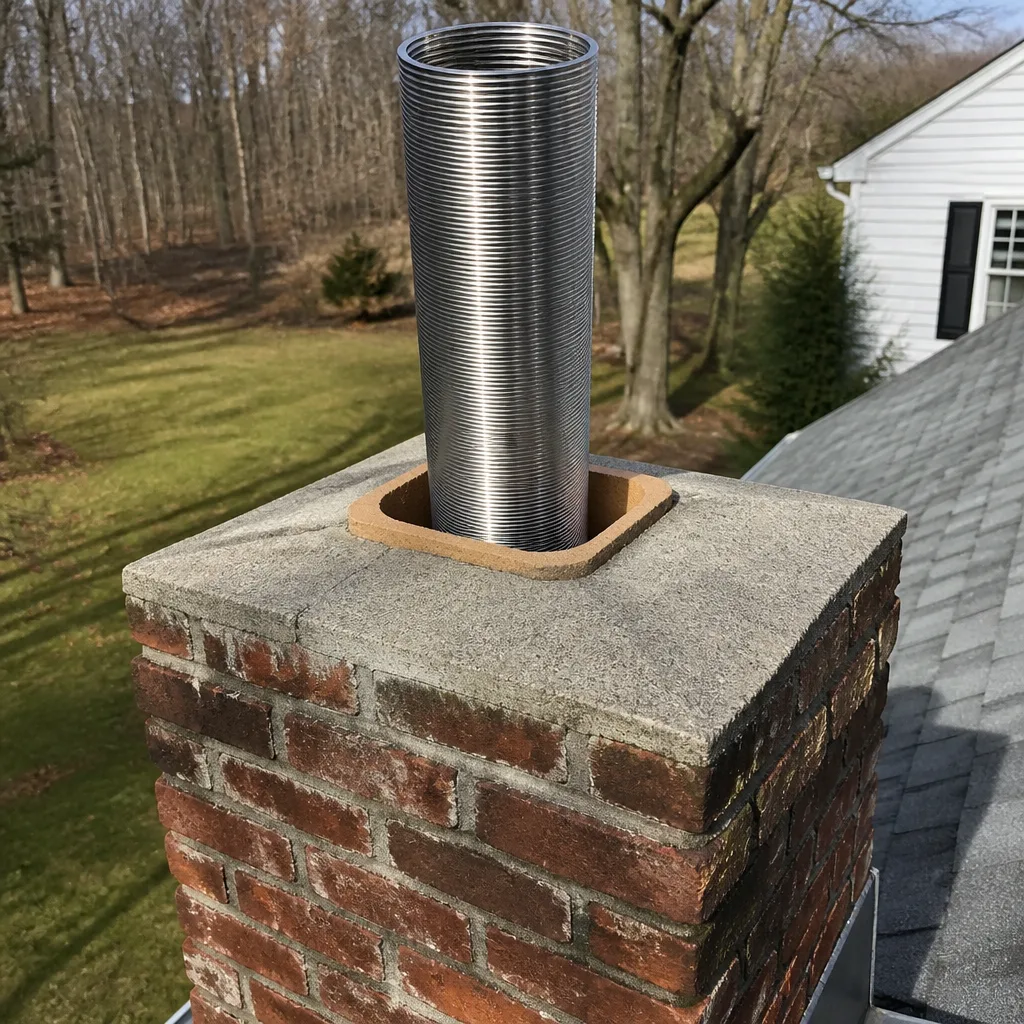 Flue relining
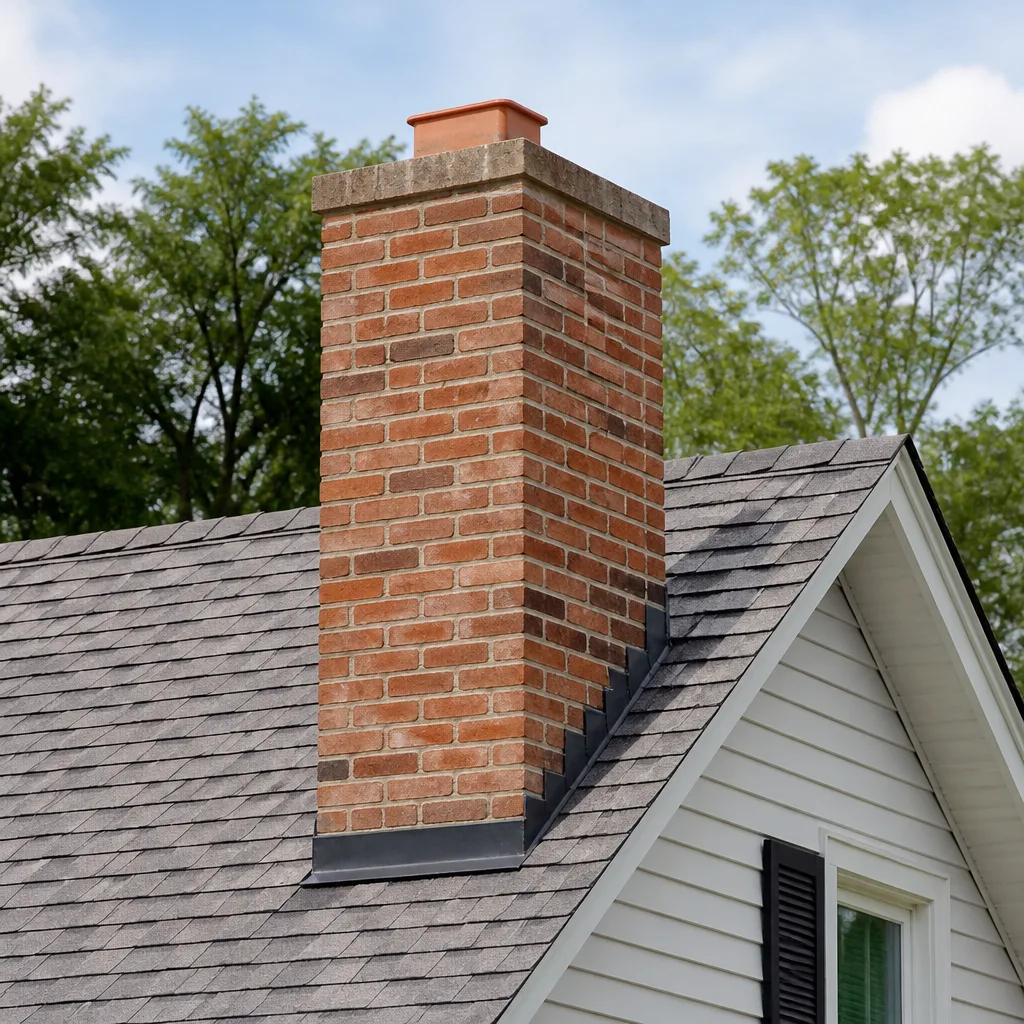 Masonry repair
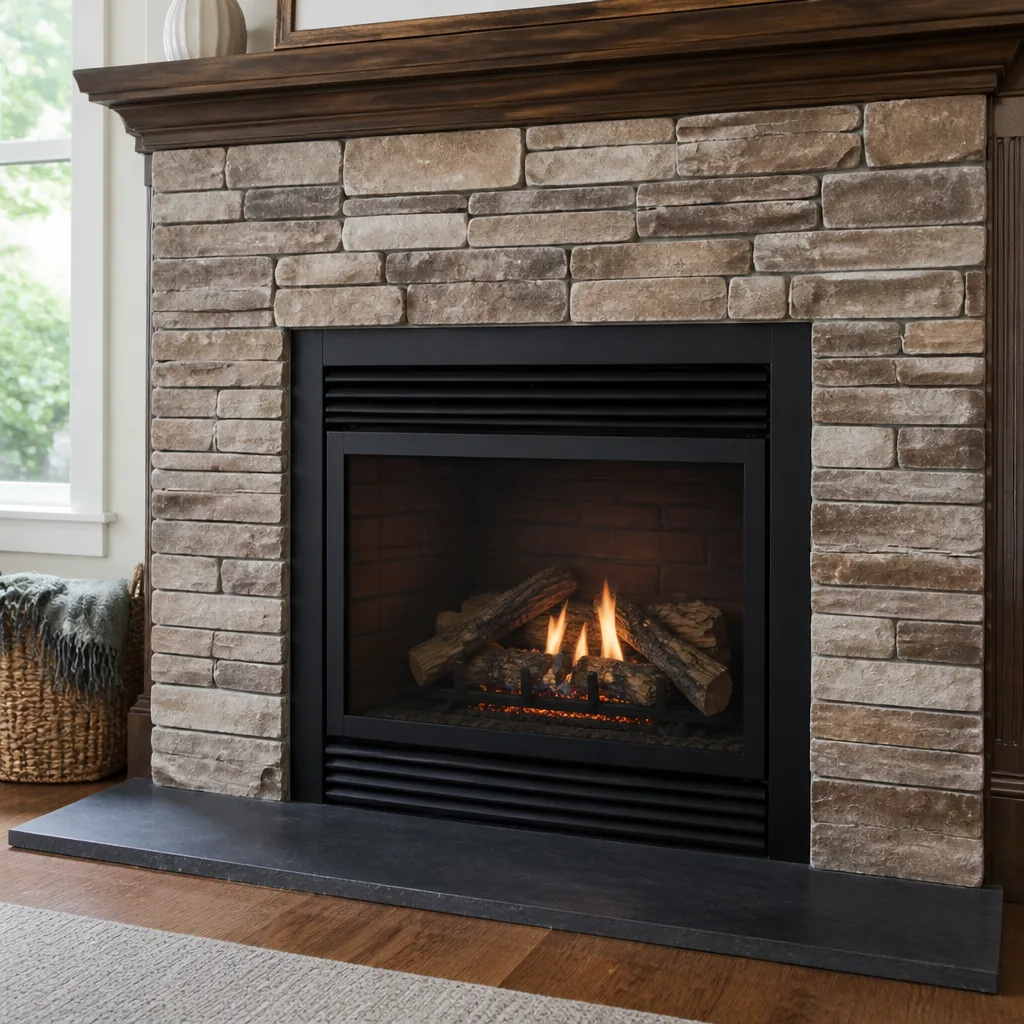 Gas fireplace service
Level 1 sweep and inspection to the NFPA 211 annual standard - flue, crown, cap, and flashing checked and photographed
Chimney sweep logs do not sweep chimneys. They loosen some creosote - which then falls where a brush and vacuum still have to collect it.
Chimney Sweep Maintenance Schedule: What to Do and When
NFPA 211 says inspect annually. It also says inspect after any event that could have caused damage, and most homeowners follow the first rule while forgetting the second. That gap matters because a cracked flue tile, a displaced cap, or a warped damper is invisible from the living room and won’t announce itself. By the time you notice smoke rolling back or a burnt smell in July, the small problem has had two winters to grow. A maintenance schedule built around how your specific system actually runs catches those issues when they’re cheap to fix. In this guide we’ll lay out a month-by-month calendar for Manchester homeowners, explain how fuel type and usage frequency shift the timing, and show what belongs in a maintenance log.
Quick Answer
A chimney should be inspected once a year and swept when the inspection shows at least 1/8 inch of creosote buildup. In practice, that means an inspection in early autumn before your first fire, a cleaning in spring after the heating season, and a visual check of the crown and cap after ice season. Wood-burning appliances that see heavy use may need two cleanings per year. Gas inserts typically need less sweeping but more liner inspection. Any chimney fire, animal entry, or new appliance installation overrides the annual rule and calls for an inspection right away.
Styles & brands we work with
- Sweep & inspection
- Caps & crowns
- Flue relining
- Masonry repair
- Gas fireplace service
Table of Contents
- Why the Annual Rule Is a Floor, Not a Ceiling
- How Fuel Type Changes Your Schedule
- The Month-by-Month Manchester Maintenance Calendar
- Maintenance Triggers That Override the Annual Rule
- What Fits in One Annual Visit vs. What Needs Its Own Trip
- Keeping a Maintenance Log That Works
- The Second Flue: Your Dryer Vent Schedule
- What You Can Safely Check Yourself
Why the Annual Rule Is a Floor, Not a Ceiling
NFPA 211, the standard most chimney professionals work from, calls for an annual inspection of every chimney, fireplace, and vent. It also lays out a second category of inspection for events: a chimney fire, a building fire, an earthquake, a severe storm, or a change to the appliance. The first rule is a baseline. The second rule is what most people skip, and it’s the one that catches damage while it’s still small.
In Manchester, the conditions that can cause damage without smoke showing up in your living room are common enough. A February ice storm can crack a crown. A raccoon investigating a warm flue can leave a nest on the smoke shelf. An old chimney with a clay tile liner can develop hairline cracks over many heating seasons, and those cracks are a path for carbon monoxide into the house. None of that turns on a light in the kitchen.
When we assess a chimney, we run a camera up the flue so the homeowner sees exactly what we see on the screen. That matters because “you need a new liner” is the single claim homeowners most want to verify for themselves, and it should be verifiable. If the flue is sound, we say so. If there’s a crack, you’ll see it. That’s the standard we hold to on every Manchester Chimney Cleaning inspection.
Think of the annual inspection as a physical for the chimney. The house doesn’t need to be sick for you to show up. You go because the exam catches what a symptom wouldn’t.
How Fuel Type Changes Your Schedule
The generic advice to “sweep once a year” treats every chimney as identical, and they aren’t. What burns inside the firebox determines what deposits inside the flue, and how often that deposit needs to come out.
Wood-burning fireplaces and wood stoves
Wood produces creosote, and creosote is what makes sweeping necessary. The rate of buildup depends on how much you burn, how dry the wood is, and how the appliance drafts. A household burning three or four cords of seasoned hardwood per season typically needs at least one cleaning per year, sometimes two. A household burning a few fires on holiday evenings may go a season with an inspection and no cleaning. The right measure is cord wood burned, not calendar months. If you’ve gone through more than a cord since your last cleaning, plan for a sweep before the next season.
Wet or unseasoned wood is the biggest single factor in accelerated creosote. Wood that hisses and steams at the ends is wood that hasn’t dried enough. Splitting and stacking it a year ahead pays off in fewer cleanings and a safer flue.
Gas fireplaces and gas inserts
Gas doesn’t deposit creosote the way wood does, so the sweeping frequency drops. What gas appliances need more of is inspection of the liner and venting. A gas flue can corrode from the inside when moisture condenses in it, particularly in an older chimney that wasn’t built for gas. The venting system, the termination cap, and the seal around the vent all need eyes on them annually. A gas insert running a few evenings a week is usually an annual inspection with occasional light cleaning, not a heavy sweep.
Pellet stoves and oil-fired appliances
Pellet appliances deposit ash and require their own cleaning rhythm, usually following the manufacturer’s schedule. Oil-fired equipment vents differently again and should be evaluated by a technician familiar with that system. If your Manchester home has a mix of fuels, each flue gets assessed on its own terms.
Whatever you burn, the sweeping question is answered by what’s in the flue, not what’s on the calendar. An annual inspection establishes that.
The Month-by-Month Manchester Maintenance Calendar
A calendar tied to Manchester’s seasons works better than a reminder set for “sometime in the fall.” Here’s how the year breaks down for a typical wood-burning household in the city.
September: pre-season inspection
Book the annual inspection before you light the first fire of the season. September gives you a buffer: if the camera shows a cracked tile or a cap that needs replacing, you have time to schedule the repair before the weather turns cold and the schedule fills. The inspection covers the firebox, the smoke chamber, the damper, the flue, the crown, and the cap. If creosote has built to the level where sweeping is warranted, the cleaning happens then, and you start the season with a clean flue.
October through March: burning season
This is when the chimney is working. Mid-season, one check is worth the effort: verify that the damper opens and closes fully and that the smoke goes up the flue cleanly on a cold start. A damper that’s stuck partway open or closed is a common mid-winter surprise, and catching it before a cold snap saves a call. If you notice a strong burnt smell, smoke backing into the room, or a roaring sound during a fire, stop using the appliance and have the chimney inspected. Those are event triggers, not calendar items.
April and May: post-season cleaning
Once the burning season ends, get the chimney cleaned. Creosote that sat in the flue all summer is creosote that’s had months to cure onto the liner, and warm-weather humidity doesn’t help. A spring cleaning also clears out soot and debris before nesting season, which matters in Manchester because birds and squirrels look for sheltered spaces in spring. Cleaning in April or May leaves the flue clear for the off months and puts you ahead of the autumn backlog.
Late spring: crown and cap check after ice season
Manchester winters put real stress on the top of a chimney. Freeze-thaw cycles work on the mortar crown, and ice can dislodge a cap or a spark arrestor. A visual check of the crown and cap after the last freeze is one of the most useful low-effort items on the calendar. A cracked crown lets water into the chimney structure, and water damage is the leading cause of expensive masonry repair. Catching a hairline crack in May is a small job. Finding it three winters later is not.
Summer: repairs and liner work
If the inspection turned up a liner issue, the warm months are the practical time to address it. Repairs that need the flue open, scaffold access, or a full day’s work are far easier to schedule in July than in November. This is also when a HeatShield liner restoration makes the most sense to plan, since HeatShield resurfacing can restore a damaged clay flue from the inside and is a cost-effective alternative to a full reline when the flue qualifies. We see a number of older Manchester homes with clay tile liners that fall into this category.
August: the reminder for next season
Put the next September inspection on your calendar now. The homeowners who get caught short are the ones who call the week before Thanksgiving, when everyone else is calling too.
Maintenance Triggers That Override the Annual Rule
The annual inspection is the baseline. These events are the ones that mean you call before the calendar says to.
- A chimney fire, even a small one. A chimney fire can crack tiles, warp a damper, and damage the liner without anyone hearing a thing. A slow, quiet fire is the more common kind. If you suspect one, stop using the fireplace and get an inspection. The annual rule doesn’t cover this; the event rule does.
- Animal intrusion. A bird, squirrel, or raccoon in the flue leaves nesting material that reduces draft and creates a fire risk. Even after the animal is gone, the nest needs to come out and the flue needs inspecting for damage. Manchester’s tree cover and older housing stock make this more common than people expect.
- Heavy storm season. A windstorm can shift a cap, crack a crown, or drop debris into the flue. After a significant storm, a visual check from the ground is a reasonable first step, and a professional inspection is warranted if anything looks off.
- New appliance installation. A new wood stove, insert, or gas appliance changes the demands on the flue. The venting needs to be assessed against the appliance’s requirements before the first fire, not after.
- A change in how the chimney performs. Smoke rolling back, a persistent odor, weaker draft, or soot on the fireplace face are all signals. Treat them as a reason to inspect, not a quirk to live with.
When any of these happen, the annual schedule gets set aside and the inspection happens on its own timeline. The safer habit is to book the inspection before using the appliance again.
What Fits in One Annual Visit vs. What Needs Its Own Trip
Planning around what a full-service provider can do in one visit saves you calls and repeat appointments. Here’s how it typically breaks down for a Manchester household.
Usually fits in the annual visit
- Full inspection with camera of the flue and firebox
- Sweeping when creosote has reached the level that warrants it
- Visual check of crown, cap, damper, and smoke chamber
- Photo report of what we found, with the camera images for your records
- Cleaning of the dryer vent if scheduled alongside, since we handle both flues in one relationship with Famco dryer vent products built for the purpose
Usually needs its own scheduled work
- Liner restoration or relining, when the inspection shows damage that requires it
- DuraFlex flexible liner installation, which we specify for older or complex flue configurations where a rigid liner won’t fit properly
- Crown repair or rebuilding
- Cap or spark arrestor replacement
- Masonry repair, tuckpointing, or work on the smoke chamber
The reason this matters is that a chimney sweep and a chimney repair are different jobs, and a crew that only sweeps has to hand you off to someone else when the inspection turns up a repair. That’s the handoff we’ve built our business to avoid. We identify the problem and fix it, using the same professional-grade materials a certified technician would specify, from DuraFlex and HeatShield to Olympia Chimney and Gelco. If a repair surfaces, we can plan it for the summer while the flue is quiet.
Keeping a Maintenance Log That Works
A short written record makes every future visit faster and gives you something concrete if you ever need to document the chimney’s history for an insurer or a buyer. It doesn’t need to be elaborate. A notebook or a note on your phone will do.
For each service, record:
- The date of the inspection or cleaning.
- What was done – inspection, sweep, repair, liner work.
- What was found – creosote level, condition of the liner, any issues noted.
- What was recommended – and whether it was done or deferred.
- The technician or company who did the work, with contact details.
Keep the photo report from each inspection with the log. A camera image of a clean flue from one year and a flagged tile from the next is a clear record of change over time. It’s also the most useful thing you can hand a technician on the next visit: they can see the history and focus on what’s changed.
For a Manchester homeowner buying or selling a home, the log is worth having on hand. It shows the chimney has been maintained, and it answers the question a buyer’s inspector will ask. In our experience, a documented history makes the conversation easier for everyone involved.
The Second Flue: Your Dryer Vent Schedule
Most homes have two flues that carry fire risk, and the chimney is only one of them. The dryer vent is the other. Lint accumulates in the vent line, and a clogged vent reduces airflow, runs up drying times, and creates a fire hazard. The U.S. Fire Administration attributes a significant share of residential fires each year to dryer vents, and the fix is straightforward: regular cleaning.
The right cadence for dryer vent cleaning depends on the household. A family doing several loads a week, a vent run that’s long or has sharp bends, or a vent that exits through the roof all call for more frequent cleaning. A reasonable baseline is once a year for most homes, with a check if you notice clothes taking longer to dry or the dryer feeling hot to the touch.
We use Famco dryer vent products in cleaning and repair, which means the materials are built for the job rather than improvised. Bundling the dryer vent with the annual chimney visit keeps both flues on one schedule and one relationship, rather than two contractors and two calendars.
What You Can Safely Check Yourself
Some checks are safe for any homeowner. Others should stay with a trained professional, and we’d rather tell you which is which than have you find out the hard way.
Safe to check
- Look up the flue from the firebox with a flashlight when the chimney is cold and no fire is burning.
- Test that the damper opens and closes smoothly.
- From the ground, look at the crown and cap for obvious cracks or displacement.
- Check that the dryer vent flap outside the house opens when the dryer runs.
- Listen for unusual sounds during a fire and note any smoke backing into the room.
Leave to a professional
- Getting on the roof to inspect or clean, especially in winter.
- Any work inside the flue, including sweeping, when the flue is damaged or you’re unsure of its condition.
- Liner inspection and repair. A camera is the right tool, and the diagnosis needs a trained eye.
- Anything involving a blocked or damaged flue that could let carbon monoxide into the home. Carbon monoxide is the reason chimney safety matters, and it’s invisible. If you suspect a problem, stop using the appliance and call a professional.
We encourage homeowners to look. What we don’t encourage is reaching into a flue or climbing a roof to do work that’s better done with the right equipment. A trained professional with a camera sees things a flashlight from below can’t.
Common Mistakes to Avoid
- Sweeping without inspecting. A sweep alone doesn’t tell you the condition of the liner, crown, or cap. An inspection does, and it’s what catches the problems a broom can’t see. Book the inspection first.
- Skipping the post-season cleaning. Creosote left in the flue all summer cures onto the liner and makes the next cleaning harder. Spring cleaning is easier than fall cleaning.
- Ignoring the crown. A cracked crown lets water into the masonry, and water damage is the expensive kind. Manchester’s freeze-thaw cycles work on the crown every winter, so check it after the last freeze.
- Burning wet wood. Unseasoned wood accelerates creosote buildup and means more frequent cleaning. Split and stack wood a year ahead so it’s dry when you burn it.
- Treating a small chimney fire as a non-event. A quiet chimney fire can crack tiles without a sound loud enough to alarm anyone. If you suspect one, get an inspection before the next fire.
- Forgetting the dryer vent. Most households schedule the chimney and skip the second flue. Both carry fire risk, and both deserve a place on the calendar.
- Waiting until the first cold snap. September inspections give you time for repairs. Late November inspections turn a small fix into a rush. In Manchester, the autumn schedule fills quickly, so plan ahead.
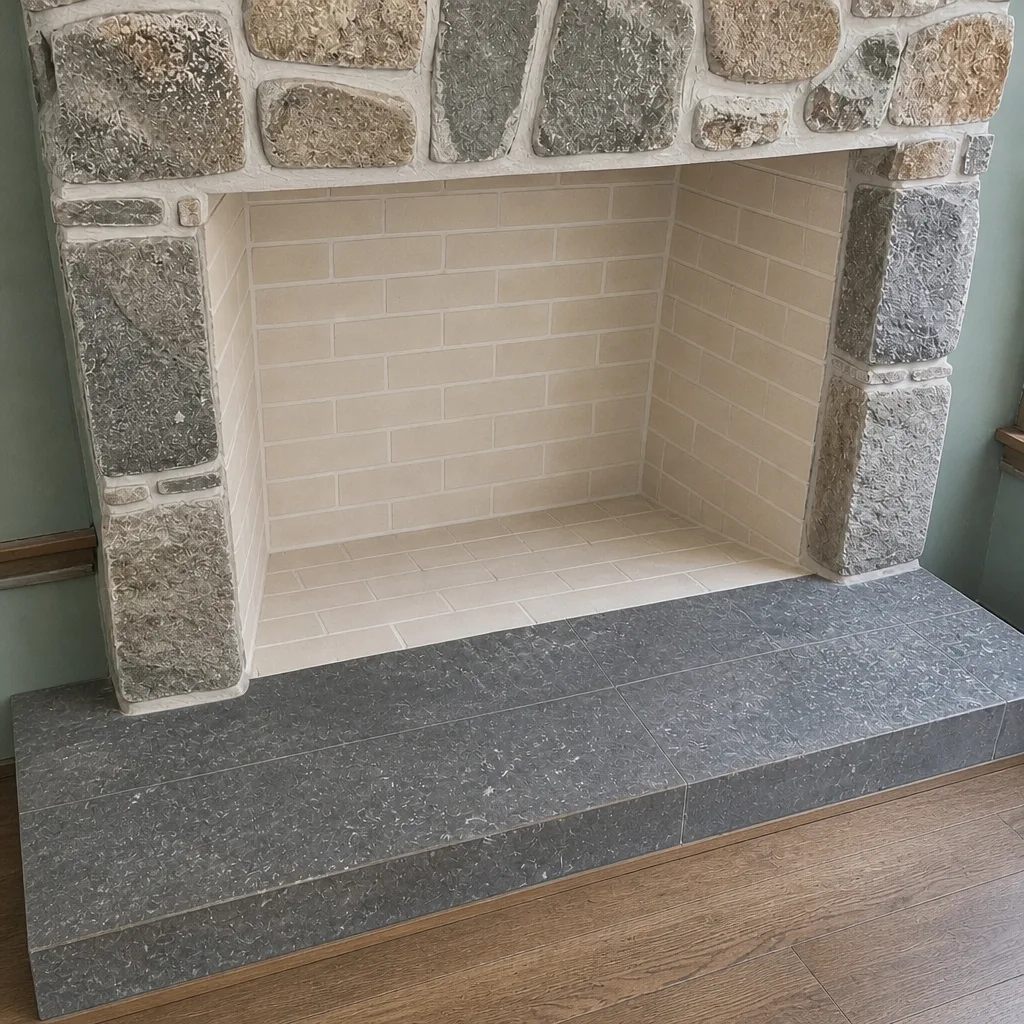
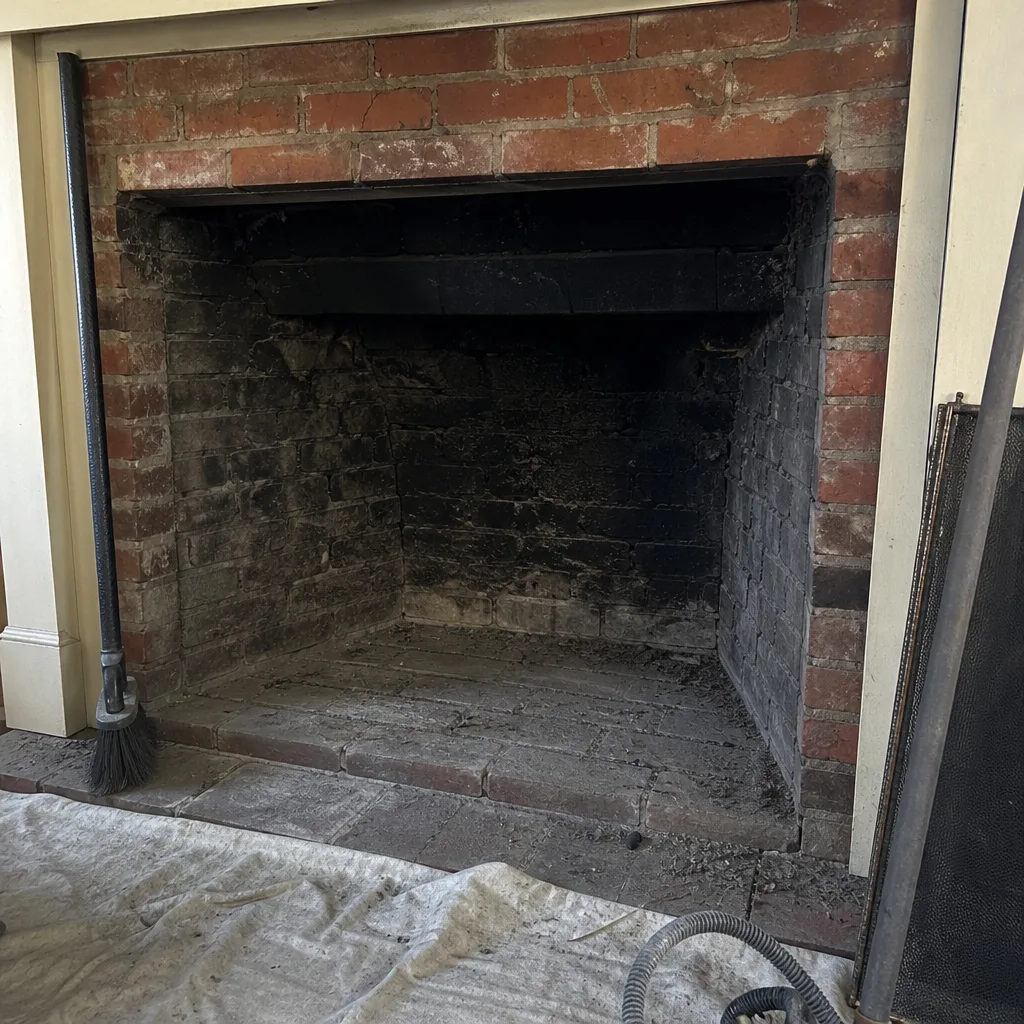
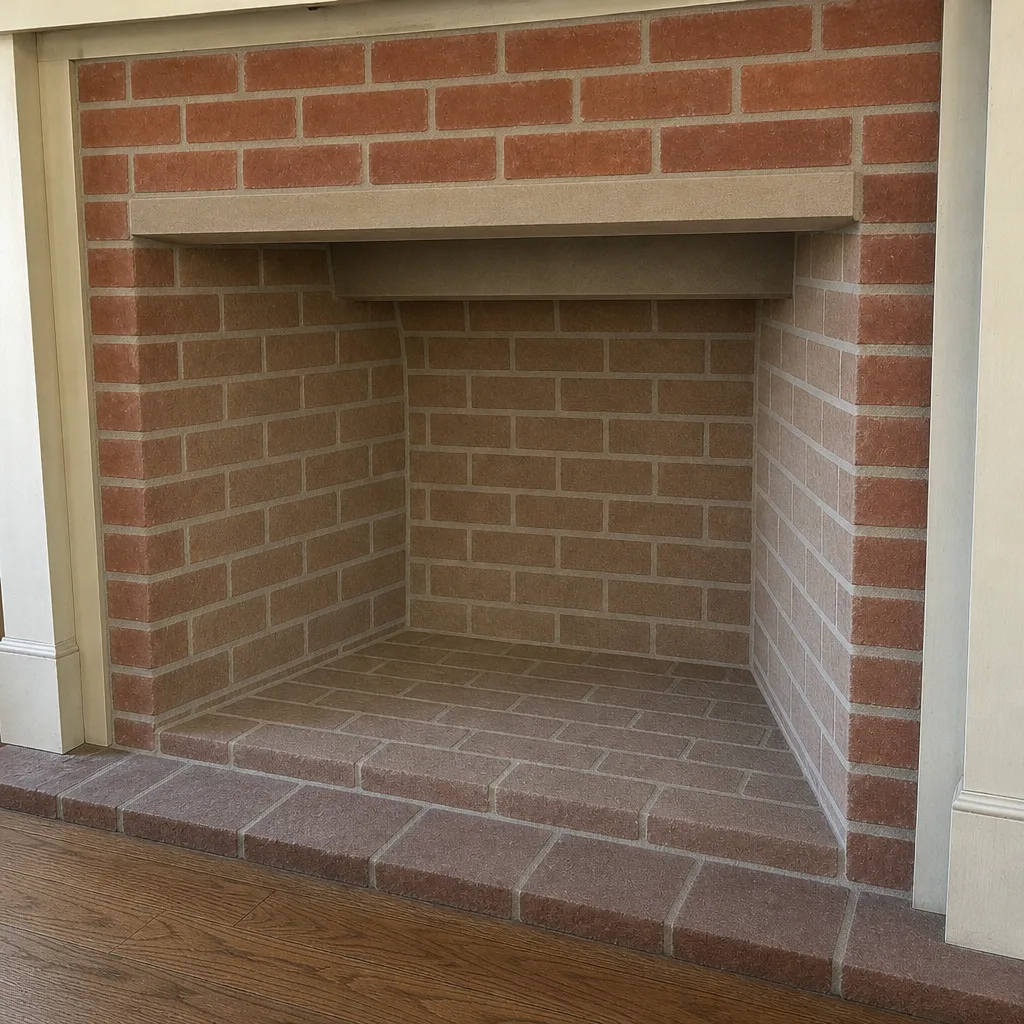
See the difference
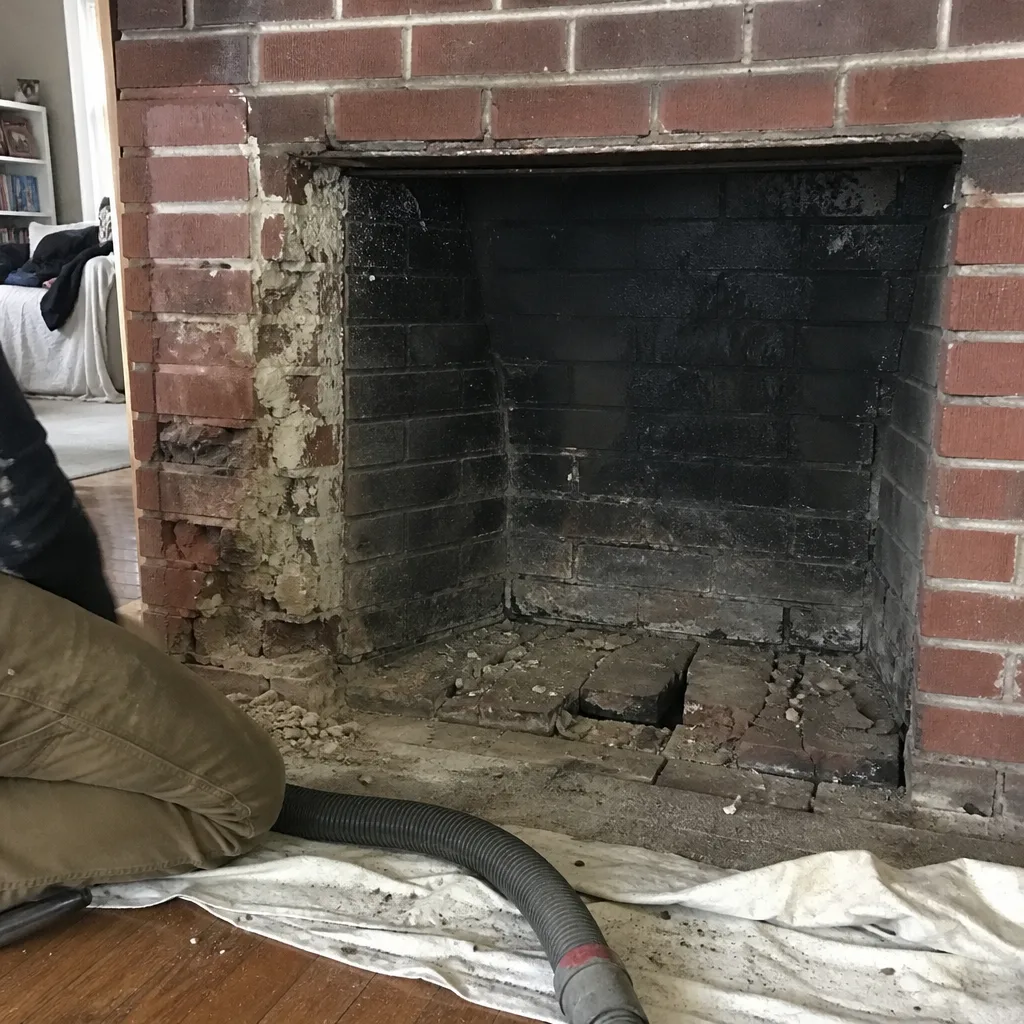 Before
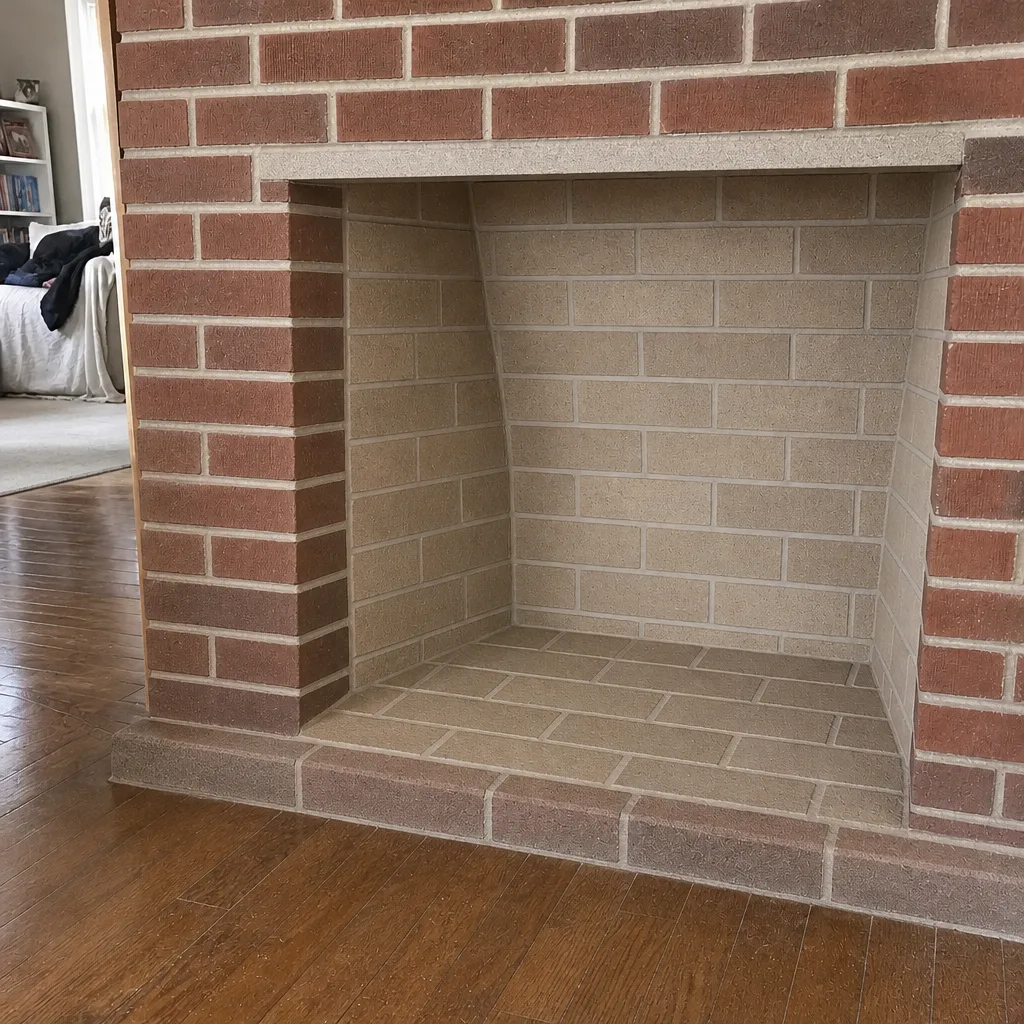 After
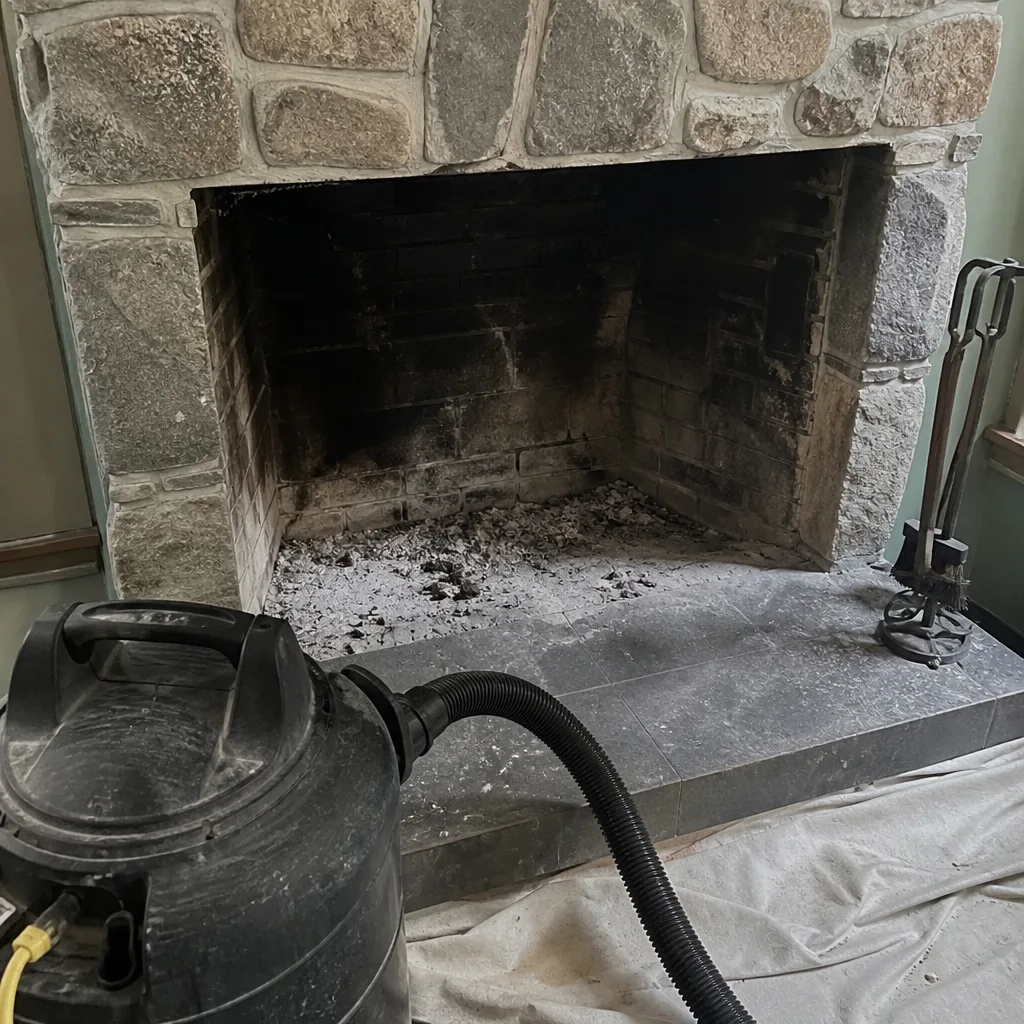 Before
 After
 Before
 After
When to Call a Professional
Call a professional when it’s been more than a year since your last inspection, when you’ve had a chimney fire or suspect one, when an animal has been in the flue, or when the chimney is behaving differently than it used to. Call if you’ve bought a home and don’t have a maintenance history for the chimney, or if you’ve installed a new appliance and the venting hasn’t been assessed. Call if you see smoke backing into the room, smell a persistent burnt odor, or notice soot on the fireplace face. None of those are things to live with. And call if you want a second opinion on a repair recommendation you can’t verify. Our inspectors show you the camera footage, explain what they see, and tell you when work can safely wait. Manchester Chimney Cleaning offers free estimates in Manchester. Call (888) 804-9712 to book an inspection. We answer 24/7. Fast dispatch from 7am to 7pm, Sunday through Friday.
Frequently Asked Questions
At least once a year if you burn wood regularly, and more often if you burn heavily. The technical standard is to sweep when the inspection shows at least 1/8 inch of creosote. A household burning several cords of wood per season often needs one cleaning a year, sometimes two. Gas appliances usually need an annual inspection and less frequent sweeping. Call (888) 804-9712 for a free estimate – the inspection tells you what your chimney actually needs.
Yes. An unused chimney still degrades. A crown can crack, a cap can shift, and an animal can nest in the flue whether or not you’ve had a fire. The annual inspection checks the condition of the whole system, not just the creosote level. Call (888) 804-9712 to schedule one before the season starts.
Small problems have time to grow. Creosote thickens, a hairline crack in a tile can widen, and a damaged crown lets water into the masonry. What would have been a simple repair can turn into a liner restoration or masonry work. The fix is still possible, but it costs more than catching it early. Call (888) 804-9712 for an inspection that shows you where things stand.
Yes. We handle both the chimney flue and the dryer vent, and scheduling them together keeps both on one calendar with one crew. The chimney sweep and the dryer vent cleaning use different tools and materials, including Famco products for dryer vents, but they can be booked as one service relationship. Call (888) 804-9712 to plan both.
Yes, and the focus is on the liner and venting rather than creosote. Gas flues can corrode from the inside when moisture condenses, and the venting system and cap need checking. An annual inspection catches corrosion before it becomes a bigger repair. Call (888) 804-9712 to book an inspection.
Stop using the fireplace and get an inspection before lighting another fire. A chimney fire can crack tiles or warp a damper even when it was quiet enough that no one noticed. The inspection with a camera shows what happened and whether anything needs repair. Call (888) 804-9712 – estimates are free.
The Bottom Line
An annual inspection is the floor, not the whole schedule. The right cadence for your chimney depends on what you burn and how often, plus the events, from a chimney fire to an animal in the flue, that override the calendar. Manchester’s winters put real stress on the crown and cap, so check them after the last freeze, clean in spring, and inspect in September before the season. Keep a short maintenance log with the photo report from each visit. Schedule the dryer vent alongside the chimney. And when the inspection shows a repair, get it fixed in the quiet months rather than the busy ones. If you want an inspection that shows you the evidence, the team at chimney sweep service here in Manchester is ready to help.
Call (888) 804-9712 for a free estimate. We answer 24/7. Fast dispatch from 7am to 7pm, Sunday through Friday.
Written by the team at Manchester Chimney Cleaning, serving Manchester since 2012.