
Last updated November 14, 2026
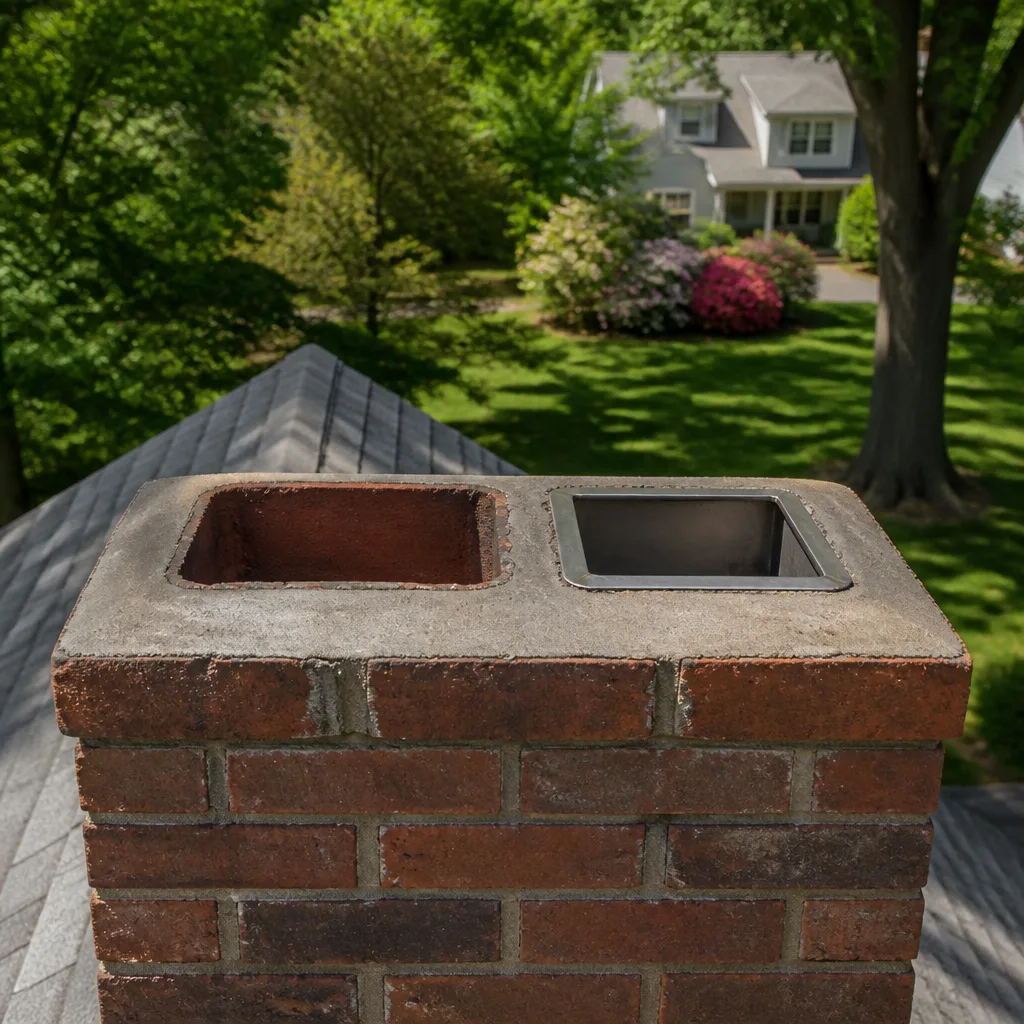 Sweep & inspection
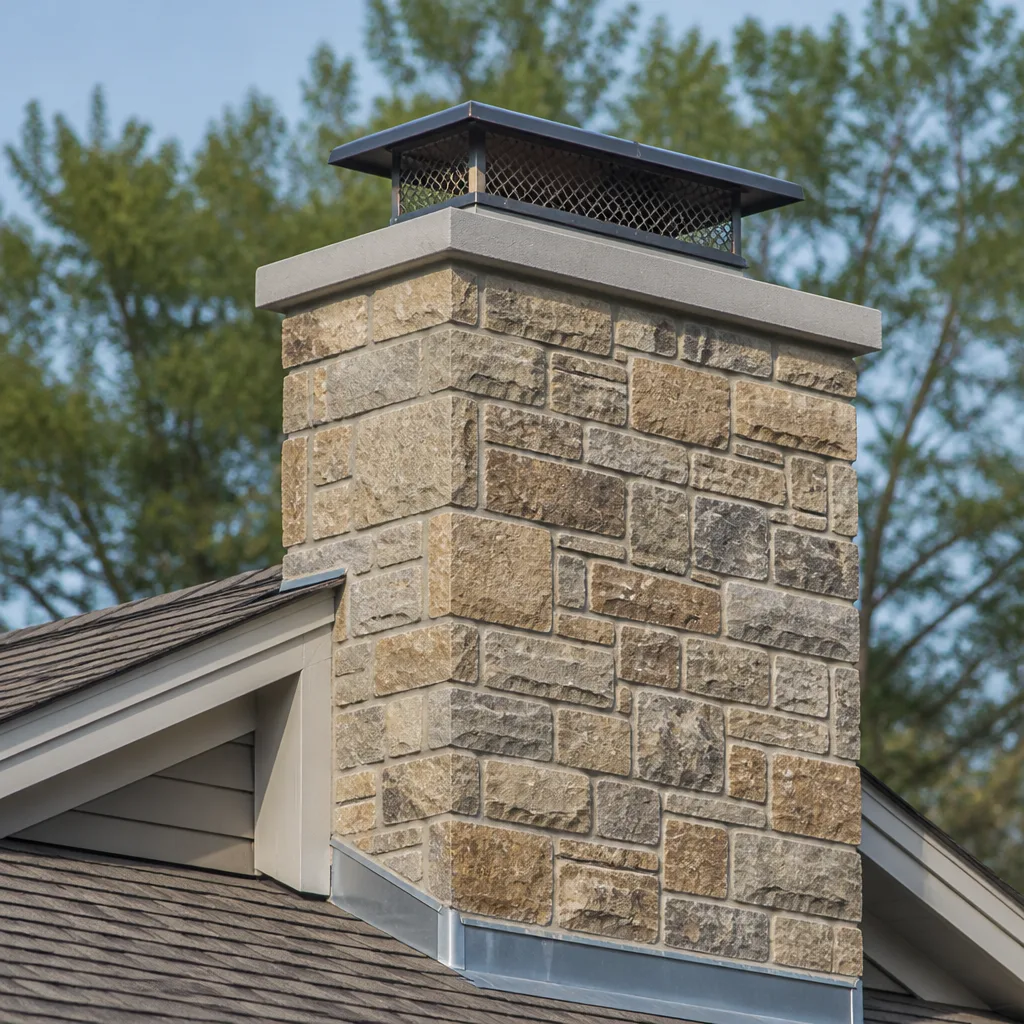 Caps & crowns
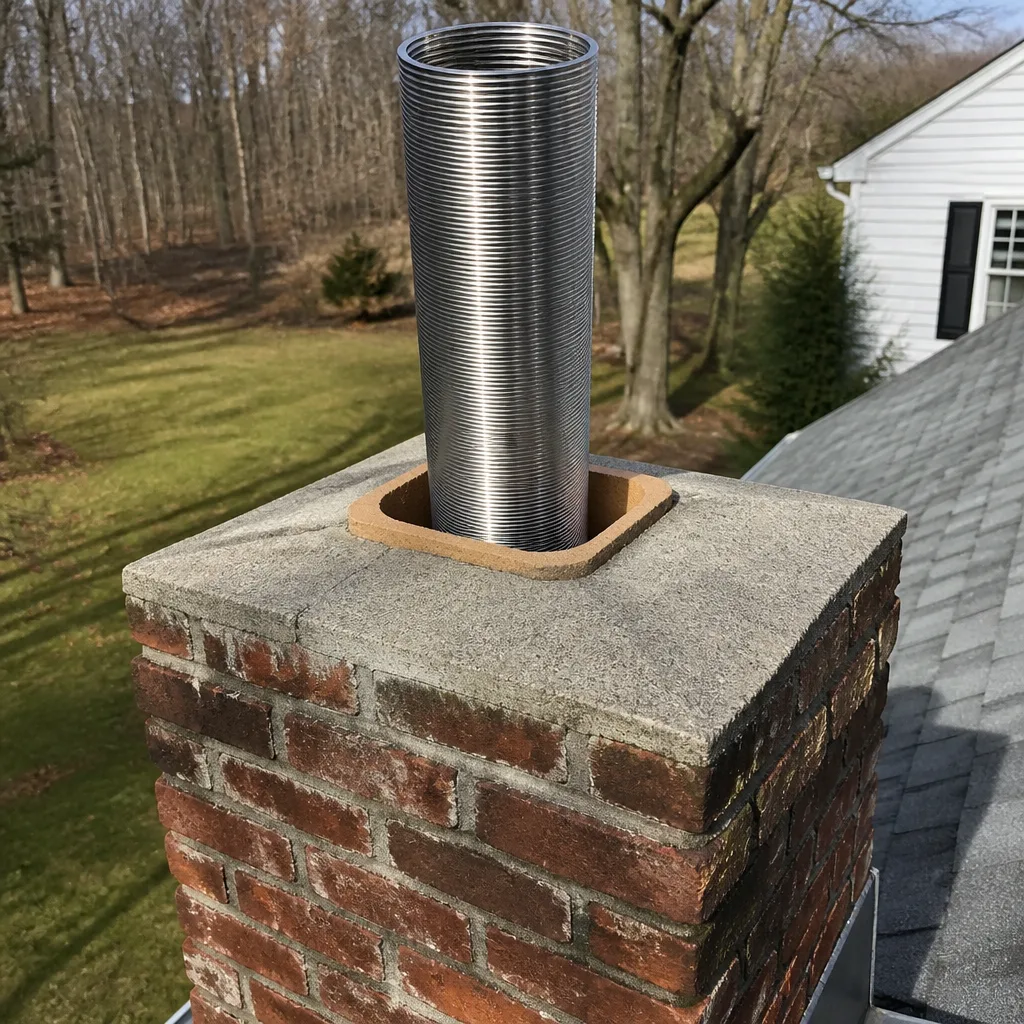 Flue relining
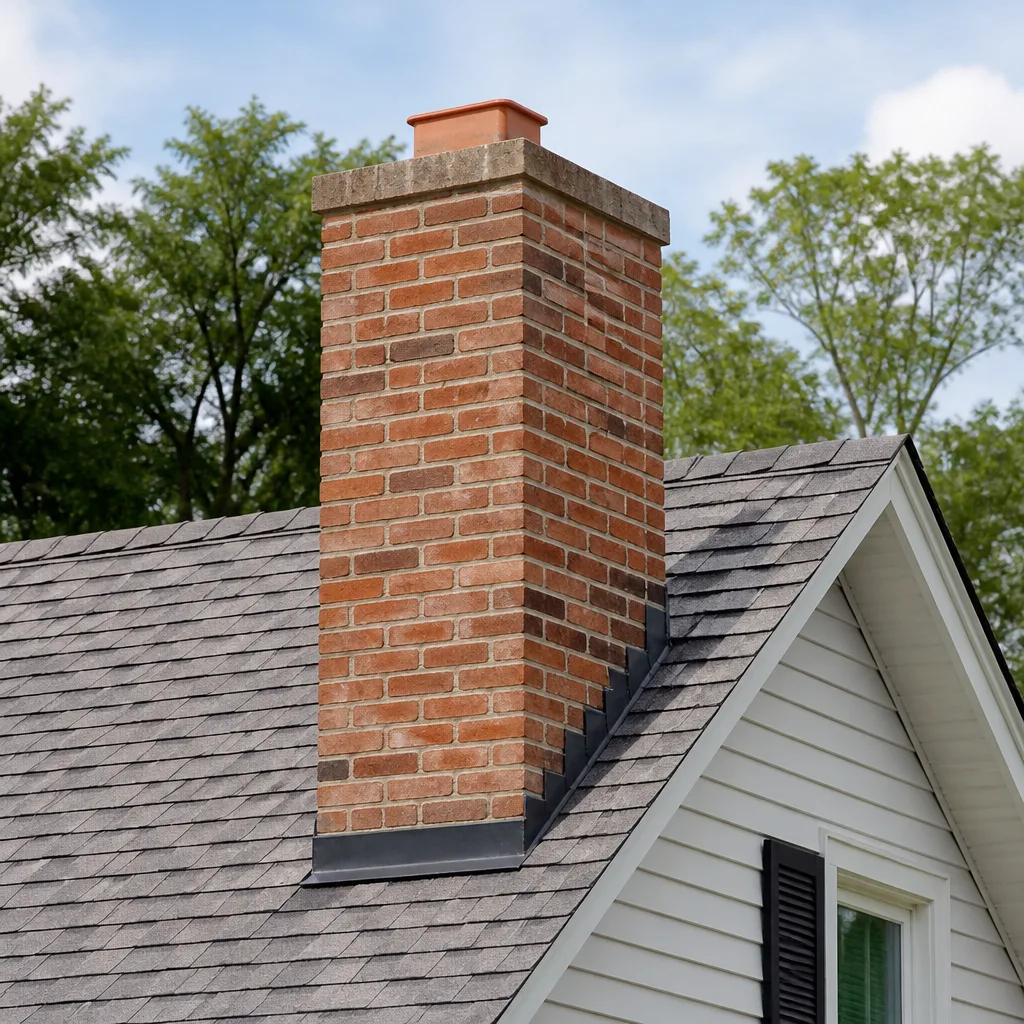 Masonry repair
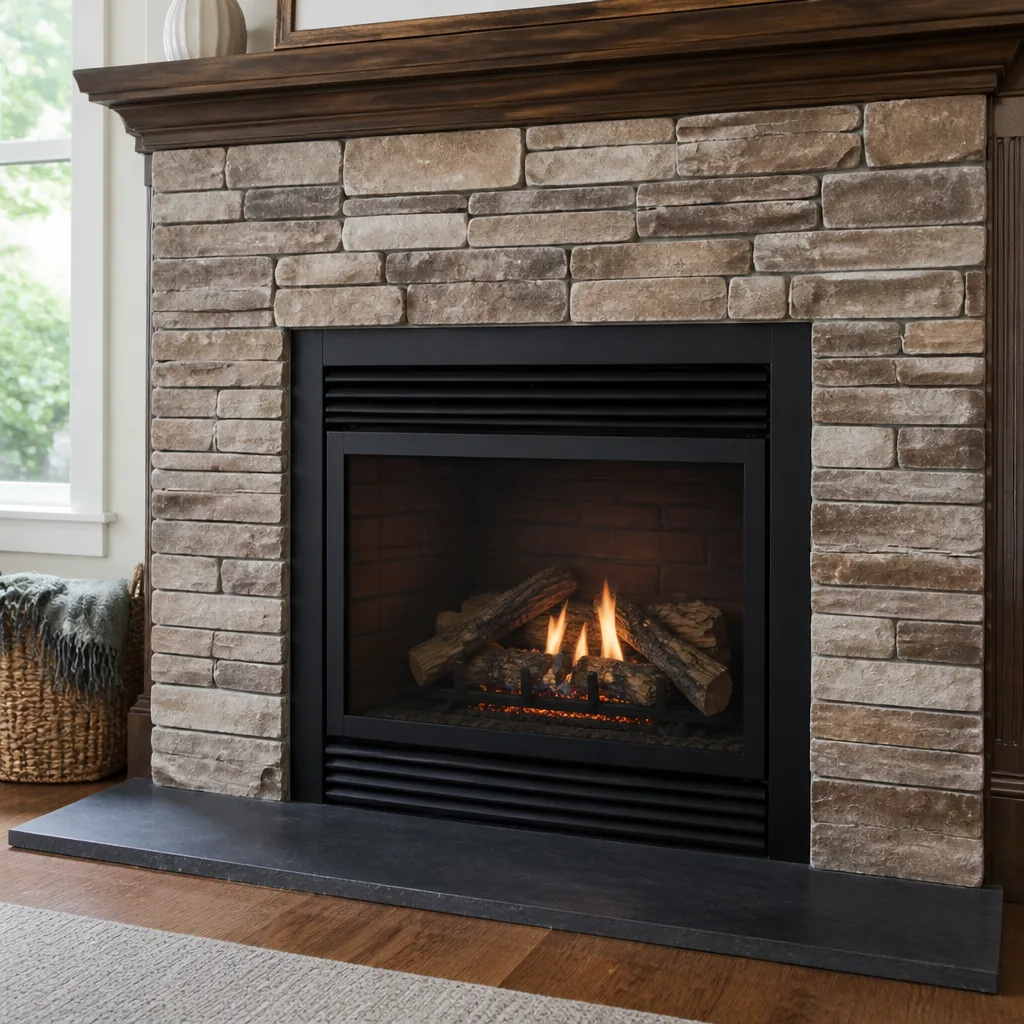 Gas fireplace service
Level 1 sweep and inspection to the NFPA 211 annual standard - flue, crown, cap, and flashing checked and photographed
Chimney sweep logs do not sweep chimneys. They loosen some creosote - which then falls where a brush and vacuum still have to collect it.
Choosing the Right Chimney Cleaning Brand: A Buyer’s Guide for Manchester
Two contractors can both write “stainless steel liner installation” on an estimate and mean entirely different things. One is quoting a professional-grade flexible liner built for years of service behind a hot flue; the other is quoting a lighter product that may not hold up nearly as long. Both descriptions sound the same on paper. Only one comes with a brand you can look up, a gauge you can verify, and a manufacturer warranty behind it. That gap is invisible to most homeowners, and it’s the single biggest reason two quotes for the same job can differ so much in what you actually get.
This guide is about the materials, not the sales pitch. We’ll walk through the product lines professional chimney contractors specify in Manchester, New Hampshire, how to ask what’s going into your chimney, and how to read the answer. By the end you’ll know which questions separate a materials-equipped specialist from a sweep-only crew – and why that distinction matters more in our climate than most homeowners realize.
Quick Answer
The “right” chimney brand isn’t a company name – it’s the product lines a contractor stocks and is trained to install. Look for recognized professional brands like DuraFlex flexible liners, HeatShield restoration systems, Copperfield waterproofing, and Gelco sealants, and ask for the brand, gauge, UL listing, and manufacturer warranty on every component before work begins. In Manchester, NH, the contractor who can name those products and explain why they chose each one is the one whose repair will outlast the estimate.
Styles & brands we work with
- Sweep & inspection
- Caps & crowns
- Flue relining
- Masonry repair
- Gas fireplace service
Table of Contents
- Why product brands matter more than the contractor’s name
- Liner systems: DuraFlex, HeatShield, and what separates them
- Creosote treatment products: preventive vs. professional-grade
- Waterproofing and crown sealants for Manchester’s freeze-thaw climate
- How to ask a contractor what products they use
- How product specification connects to your warranty
- What a materials-equipped inspection looks like
- Common mistakes to avoid
Why Product Brands Matter More Than the Contractor’s Name
Homeowners shop for chimney services the way they shop for most trades: they compare company names, read reviews, and pick whoever sounds most reliable. That’s a reasonable instinct, but it skips the part that actually determines how long the work lasts. The materials a contractor specifies – the liner alloy, the sealant chemistry, the waterproofing formulation – outlive the handshake and the invoice. When a repair fails early, it’s rarely because the technician was careless. It’s usually because the wrong product went in.
Manufacturers build chimney products to different performance tiers, and the differences aren’t cosmetic:
- Material gauge and alloy. Flexible liners come in different steel thicknesses and grades. A heavier gauge resists corrosion and mechanical wear longer than a thin one, and the difference is stamped on the product, not hidden.
- UL listing. Professional liners and components carry a UL listing that documents what they’re rated for. A product without one is a question mark you don’t want inside your chimney.
- Manufacturer warranty. Recognized brands back their products in writing. That warranty sits alongside – not instead of – the contractor’s workmanship warranty.
- Installer training. Professional brands train and support the contractors who install them. A crew that stocks a line knows how it behaves in real flues.
Here in Manchester, the housing stock makes this concrete. Much of the city’s older housing was built long before modern liner standards, and flues in those homes are often offset, undersized, or lined with clay tile that has cracked over decades of heating seasons. A product that works fine in a straight modern flue can fail early in an older, irregular one. The brand on the box is your best proxy for whether the contractor thought about that. If you want the full picture of what’s available locally, our Manchester Chimney Cleaning service overview covers how these decisions play out in practice.
Liner Systems: DuraFlex, HeatShield, and What Separates Them
A chimney liner is the barrier between combustion gases and the structure of your house. When it’s damaged, you have two broad paths: reline the flue with a new liner, or restore the existing one. The products behind each path are different, and so is the cost and the disruption. Most sweep-only crews can clean a flue and tell you the liner is failing. Fewer can do anything about it with the right materials.
DuraFlex flexible liner systems are the workhorse for relining. They’re built for retrofit work, which matters in Manchester’s older homes where flues bend, offset, and rarely run perfectly straight. A rigid liner can’t navigate those configurations; a flexible system can. That’s a technical distinction, not a marketing one – it’s the difference between a liner that fits your flue and a job that gets postponed because it doesn’t.
HeatShield is a different path entirely. Rather than installing a new liner, HeatShield is a restoration system: a specially formulated product applied to rebuild and seal the existing flue interior. For the right candidate, it restores the liner at a fraction of the cost of full relining and without the disruption. Not every flue qualifies – condition, size, and damage level all matter – but where it fits, it’s a repair option most sweep-only competitors simply can’t offer because they don’t stock it.
Here’s the practical takeaway for anyone comparing quotes in Manchester:
- Ask what liner system they use and why. A contractor who stocks DuraFlex will tell you whether a flexible retrofit is the right call for your flue’s shape. A contractor who stocks HeatShield will tell you whether restoration is viable before jumping to full replacement.
- Ask for the gauge and UL listing. These are verifiable facts, not sales language. Write them on the estimate.
- Ask what happens if the flue is offset or irregular. The answer reveals whether they’ve actually installed liners in homes like yours or just quoted them.
- Ask for the manufacturer warranty in writing. It should name the product.
A flue that’s sized, shaped, or damaged in a particular way may rule out one path and favor the other. The point isn’t to pick a brand before you know your flue. It’s to work with someone who has both paths on the truck and can recommend honestly between them. If you want a closer look at how we approach the cleaning side before any repair decision, our chimney sweep page explains the inspection-to-repair flow.
Creosote Treatment Products: Preventive vs. Professional-Grade
Creosote is the residue left behind when wood burns, and it builds up in layers on the flue walls. In its early, flaky form it’s manageable. As it hardens into a glazed coating, it becomes far more difficult to remove and a real fire risk. This is the single most common reason a flue needs professional attention, and it’s where product choice shows up in a way homeowners can actually feel – either the sweep removes it or the sweep schedules a second visit.
There are two distinct product categories, and they’re often confused:
- Preventive treatments – products like creosote sweeping logs that you burn in the fire to help loosen light deposits between professional cleanings. They’re a maintenance aid, not a substitute for a sweep, and they can’t touch glazed creosote.
- Professional-grade chemical treatments – stronger products a technician applies before or after mechanical cleaning to soften or break down stubborn deposits that a brush alone won’t move. These are applied by trained technicians with proper handling, and they make the difference on heavy or glazed buildup.
Why does this matter for Manchester specifically? Our heating season is long, and a lot of homes here burn steadily from fall well into spring. That pattern produces more creosote than occasional-burning homes, and it builds faster on older, cracked flue interiors where residue catches on rough surfaces. A homeowner burning weekly through a New Hampshire winter can end up with more buildup than expected in a single season.
The right sequence is always the same, though:
- Inspect first. A camera inspection tells the technician the creosote stage and how much is there.
- Clean mechanically. Brushing removes what it can. This is the baseline step no product replaces.
- Treat chemically where needed. Professional-grade treatment handles glazed or heavy deposits the brush leaves behind.
- Re-check. A follow-up pass confirms the flue is clean before anyone talks about prevention.
If a contractor reaches for a chemical treatment without inspecting first, ask why. The products are useful, but they’re chosen based on what the camera shows, not on a schedule.
Waterproofing and Crown Sealants for Manchester’s Freeze-Thaw Climate
Water does more damage to a chimney than fire in most homes, and it does it quietly. Brick and mortar are porous. Water soaks in, freezes, expands, and cracks the masonry a little more each winter. Manchester’s climate is built for this cycle: cold nights and warmer days through the shoulder seasons mean the freeze-thaw loop can run repeatedly over a single week, not just once a season. Over years, that pattern opens mortar joints and spalls brick faces.
The fix sounds simple – waterproof the chimney – but the product choice is where contractors diverge, and most homeowners never hear the question asked. Standard masonry sealer, the kind sold for basement walls and concrete, is a film-forming product. It seals the surface. On a chimney, that’s the wrong tool. Chimneys need to breathe.
Here’s why. Chimney masonry holds moisture from inside, not just from rain. When a film-forming sealer locks the surface, that interior moisture can’t escape. It gets trapped, and in a freeze it expands inside the masonry instead of outside it. The result is the exact damage the sealer was supposed to prevent. Vapor-permeable waterproofing, by contrast, keeps rain out while letting moisture vapor pass through from the inside. For Manchester’s climate, that permeability is the whole ballgame.
What to look for in a waterproofing specification:
- Vapor-permeable formulation. Ask directly whether the product breathes. Copperfield is one professional line many contractors specify for chimney waterproofing; ask what the contractor stocks and why.
- Crown sealant flexibility. The crown – the concrete cap at the top – moves with temperature. A flexible crown sealant that tolerates that movement holds up better than a rigid patch that cracks at the first hard freeze.
- Application method. Waterproofing sprayed onto a damp or dirty surface won’t bond. Ask how the crew preps the masonry before applying.
This is one area where the brand on the bucket genuinely predicts the outcome. A contractor using Copperfield or a comparable professional-grade waterproofing has already answered the permeability question. A contractor reaching for a generic sealer from a hardware store has answered it too, just wrongly.
How to Ask a Contractor What Products They Use
You don’t need to know the product landscape cold to get a straight answer. You need the right questions and a sense of what a good answer sounds like. This is the conversation that separates a materials-equipped specialist from a sweep-only crew, and it takes about two minutes.
Ask these in order:
- “What brand of liner do you install, and why that one?” A good answer names the product, explains what it’s rated for, and connects it to your flue’s shape or condition. A vague answer (“we use the best available”) is a red flag.
- “What gauge is the steel, and is it UL listed?” Both are written on the product. A contractor who installs it regularly knows both. If they have to look it up, that’s a signal about how often they actually do this work.
- “Do you have a restoration option, or is relining the only path?” HeatShield or an equivalent restoration system is the answer you’re listening for. A crew with only one path will sell you that path.
- “What waterproofing product do you use, and is it vapor-permeable?” The word “permeable” or “breathable” in the answer tells you they understand the chemistry. “Masonry sealer” alone tells you they don’t.
- “What’s the manufacturer warranty on the product, and what’s your workmanship warranty?” Ask to see both in writing. They’re separate documents from separate parties, and both should protect you.
- “Can you show me the camera footage before recommending repair?” Any legitimately equipped contractor can. This one question filters out a lot.
Two more questions work well in Manchester specifically. Ask whether they’ve worked in older homes with clay-tile flues and offset chimneys – the housing stock here makes that experience relevant. And ask whether they handle chimney work and dryer vent work under one roof, since both are fire-risk flues in most homes and splitting them between contractors is how one gets neglected.
One practical note: a contractor who can rattle off six different product lines isn’t showing off. It signals that they stock, train on, and support professional-grade materials across liner, restoration, waterproofing, and dryer vent work. That depth is the telling of a specialist rather than a hobbyist.
How Product Specification Connects to Your Warranty
Here’s a connection most homeowners miss when comparing quotes. The workmanship warranty a contractor offers and the manufacturer warranty on the materials are two different things, and the second one only protects you if the first one is honest about what product went in.
Consider it:
- Workmanship warranty – the contractor’s promise that the installation was done correctly. It covers how the product was fitted, sealed, and connected.
- Manufacturer warranty – the product maker’s promise that the liner, sealant, or waterproofing will perform as specified. It covers defects in the material itself.
When the two line up, you’re covered from both directions. When they don’t, you have a gap. If a contractor installs generic or unlisted material, the manufacturer warranty may be thin or nonexistent, and if the work fails you’re relying on the contractor’s promise alone. If a contractor installs a recognized professional line like DuraFlex or a HeatShield restoration, the manufacturer’s warranty stands behind the product – and it’s documented, which matters if the contractor’s business changes hands or closes years down the road.
Ask both questions at the estimate stage, and get the answers in writing:
- What is the exact product being installed, by brand name and model?
- What is the manufacturer’s written warranty on that product, and how long does it run?
- What is your workmanship warranty, and what does it cover?
- Does your warranty remain valid if the product is installed over a damaged or unprepared substrate?
That last question is worth dwelling on. Even the best product fails early if it’s installed over a flue that wasn’t properly cleaned and prepped first. This is why a contractor who covers the full arc – Manchester, NH, inspection, cleaning, and repair under one roof – is a better bet than one who cleans and then hands you off to someone else for the repair. There’s no finger-pointing about who prepped the surface when it’s the same crew.
What a Materials-Equipped Inspection Looks Like
An inspection is the starting point for every other decision on this page, so it’s worth knowing what a thorough one involves. A sweep-only visit and a materials-equipped inspection aren’t the same appointment, even though both start with a brush and a flashlight.
Here’s the sequence a full inspection follows:
- External assessment. The technician checks the chimney exterior, crown, flashing, and masonry for signs of water intrusion and cracking before going near the flue.
- Camera inspection of the flue. A camera shows the interior wall condition, creosote stage, and any cracks or gaps in the liner. You should see the footage, not just hear a summary.
- Mechanical cleaning. Brushing removes the accessible deposits, sized to the flue.
- Post-clean re-inspection. A second camera pass confirms what’s left and whether any deposit needs a chemical treatment.
- Photo report. A materials-equipped specialist documents what they found. It’s how you see the evidence yourself instead of taking a recommendation on faith.
- Repair recommendation, if needed. Any recommended work ties back to what the camera showed: a specific product for a specific problem.
That photo report is the piece that answers the biggest hesitation homeowners have about this trade: being told they need thousands of dollars of work they have no way to verify. A camera inspection with photos you can look at yourself removes the guesswork. And a straightforward inspector will tell you when something can safely wait a season. Not every cracked crown needs work this year. Not every flue with light deposits needs a treatment. A specialist earns trust by saying so.
The same equipment logic applies to the other flue in your home. Dryer vents clog with lint, and a clogged dryer vent is a fire risk in the same way a dirty chimney is. Professional-grade dryer vent cleaning uses purpose-built products – Famco is one line contractors specify – rather than improvised brushes. If the crew you hire handles dryer vent cleaning alongside chimney work, both fire-risk flues get the same professional treatment from the same relationship.
Common Mistakes to Avoid
- Hiring on price alone. The lowest quote usually reflects thinner materials, not a better process. Two liners can be described identically and differ substantially in expected service life. Ask what products are behind the number before you compare them.
- Never asking which product goes in. If you don’t ask, nobody tells you. The brand, gauge, and UL listing are all verifiable. Get them in writing on the estimate.
- Accepting a waterproofing recommendation without a permeability question. Standard masonry sealer on a chimney can trap moisture and cause the damage it claims to prevent, especially through Manchester’s freeze-thaw cycles. Ask whether the product breathes.
- Treating a repair recommendation as untouchable. You’re entitled to see the camera evidence before agreeing to substantial work. A contractor who won’t show you the footage has a reason, and it’s usually not a good one.
- Hiring separate companies for cleaning and repair. When the sweep and the repair crew are different businesses, a failed repair invites a dispute about who’s responsible. One crew, one call avoids that gap.
- Ignoring the dryer vent. Your chimney is one fire-risk flue; your dryer vent is the other. Most homeowners schedule one and forget the other until lint buildup has gone unchecked for years.
- Skipping the annual inspection because the fire “seems fine.” Creosote and liner damage don’t announce themselves. A flue that looks normal from the hearth can have cracked tiles a camera would catch. An annual look is how you stay ahead of it.
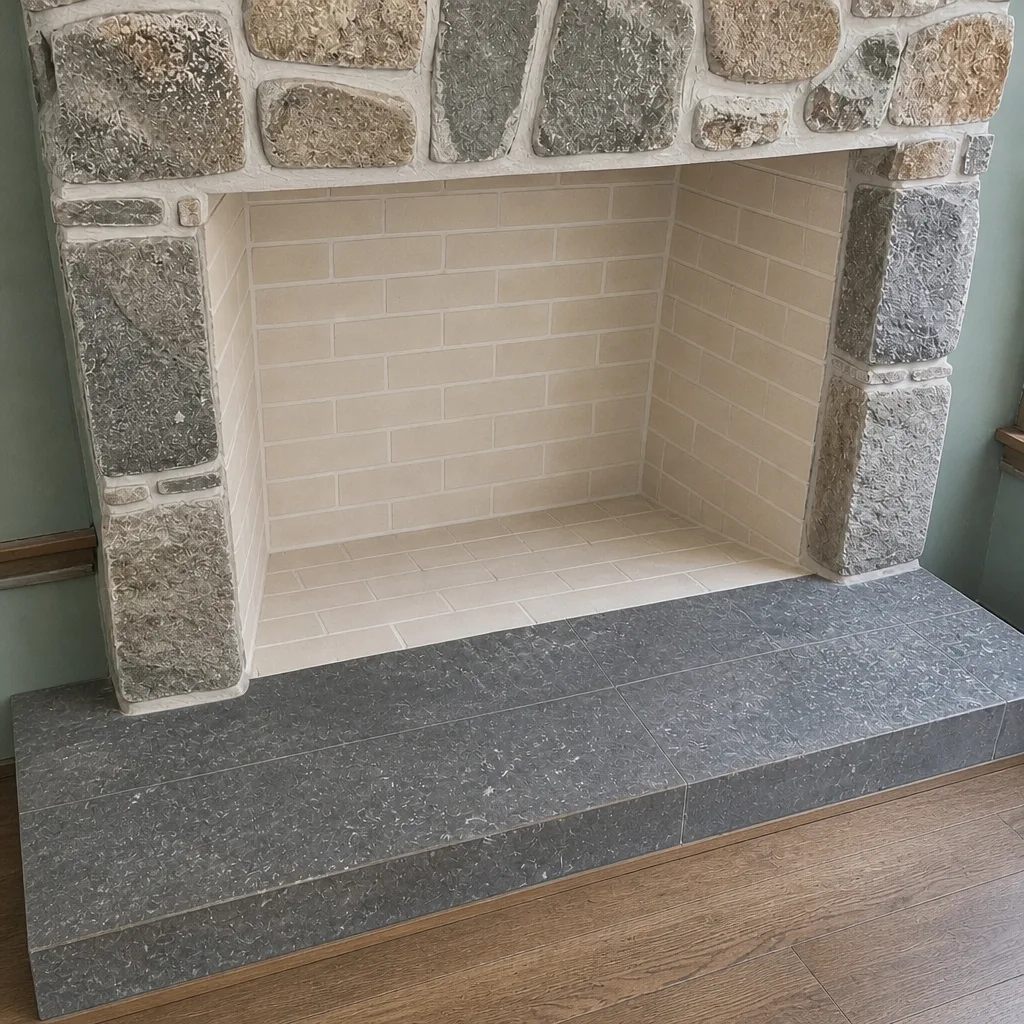
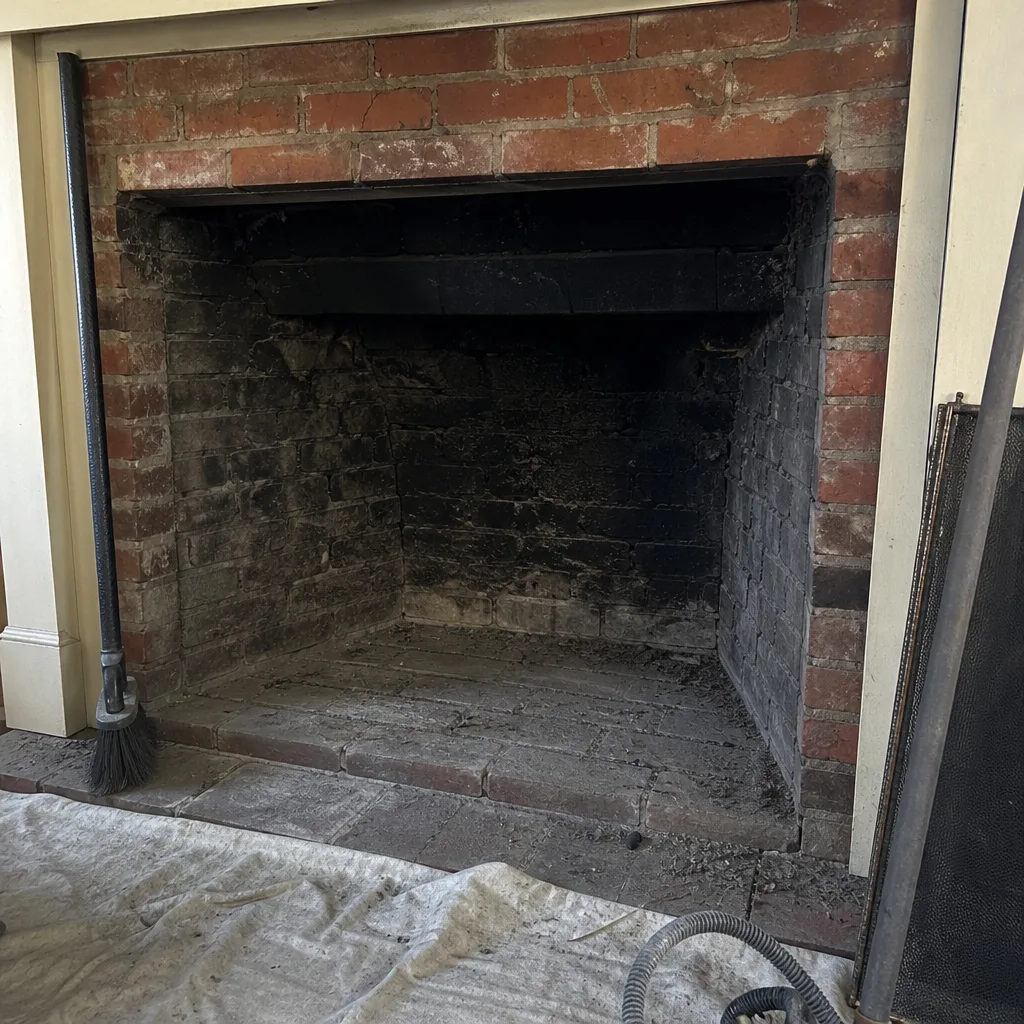
See the difference
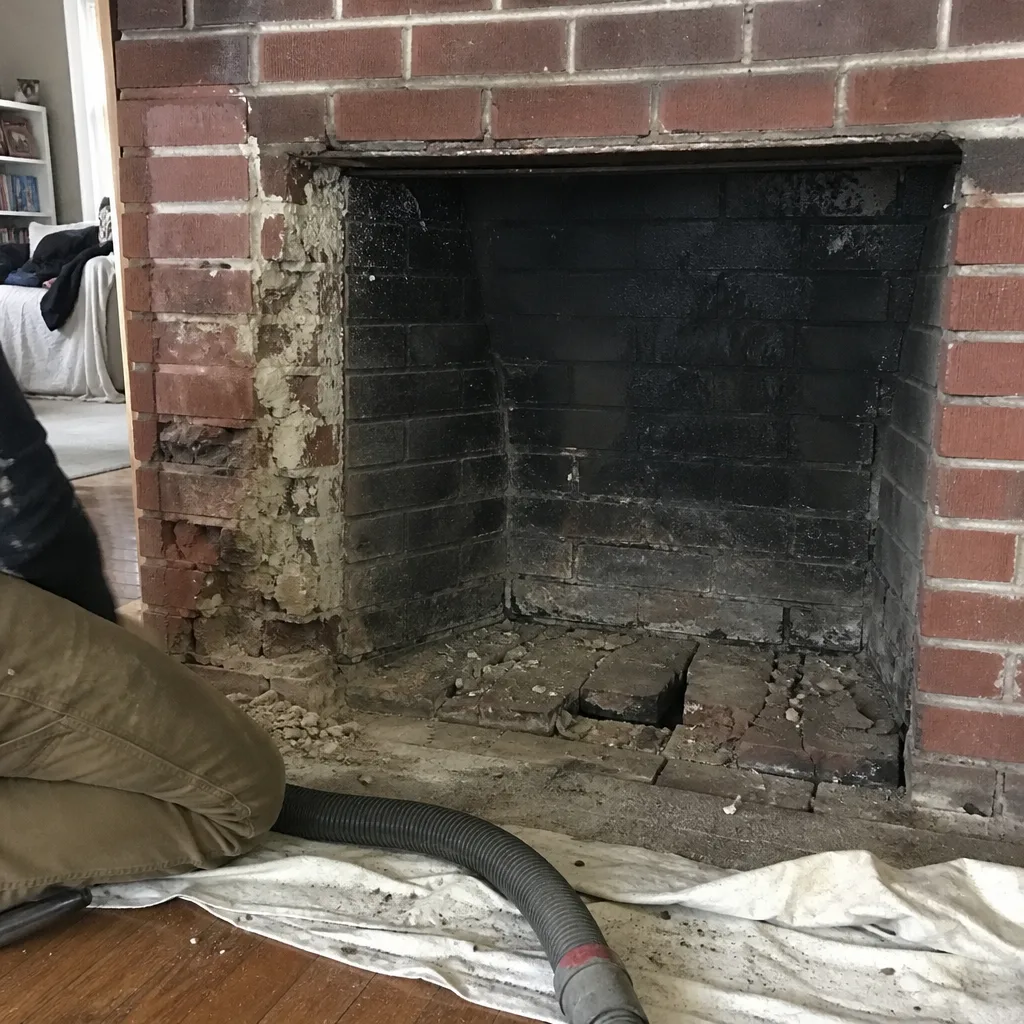 Before
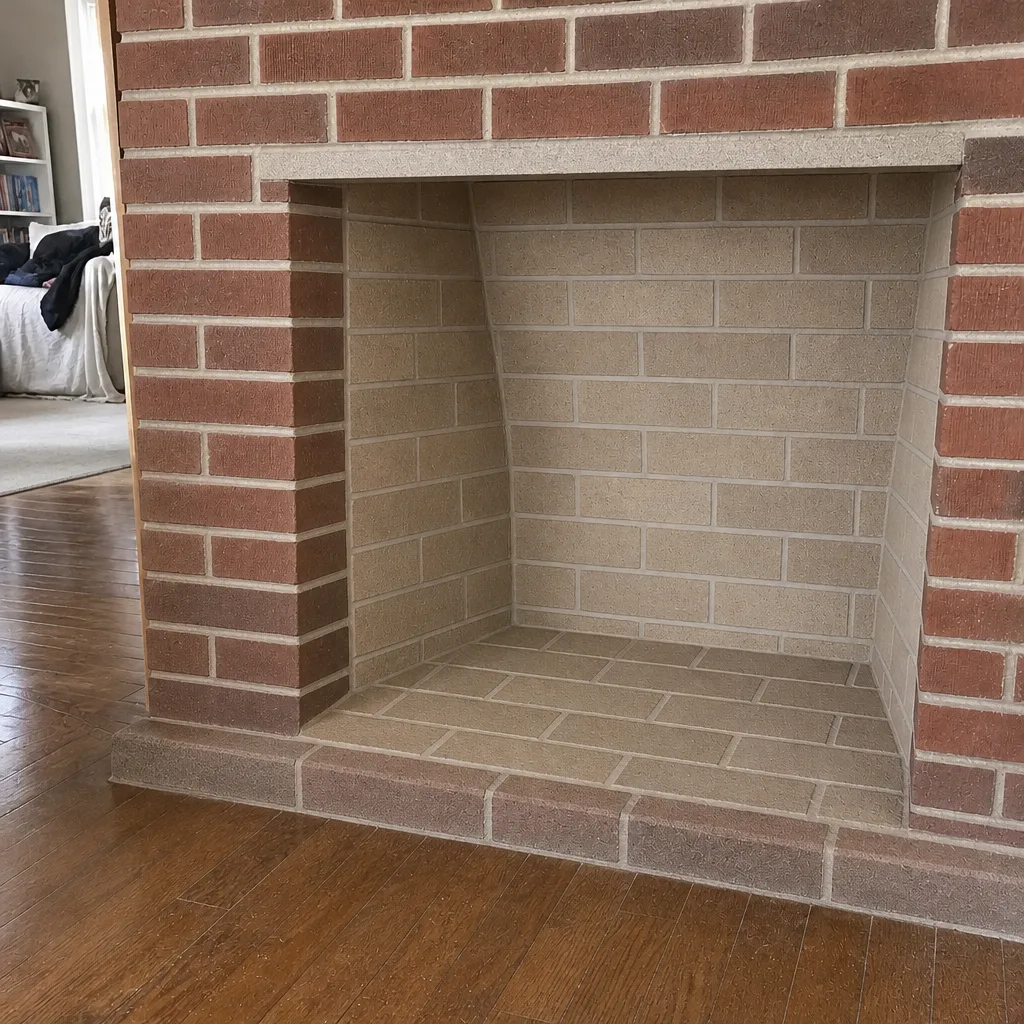 After
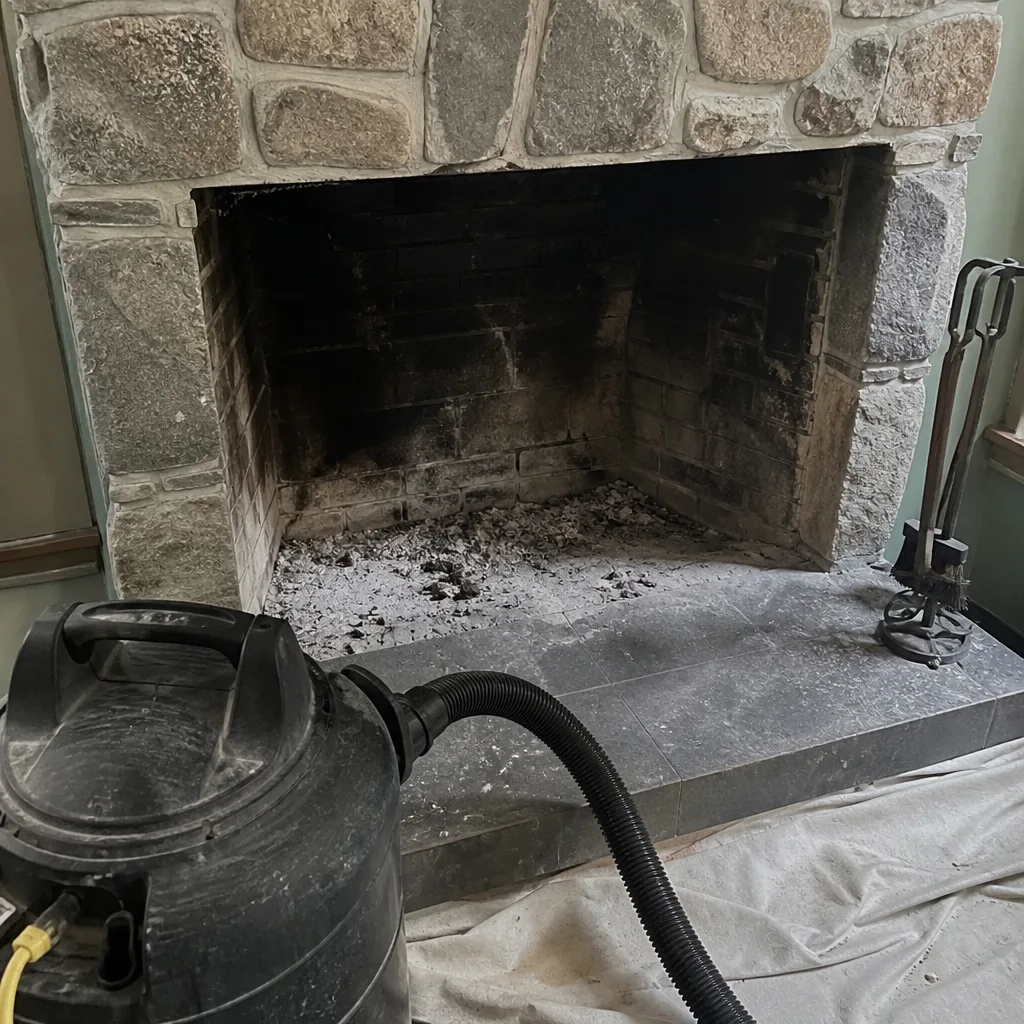 Before
 After
 Before
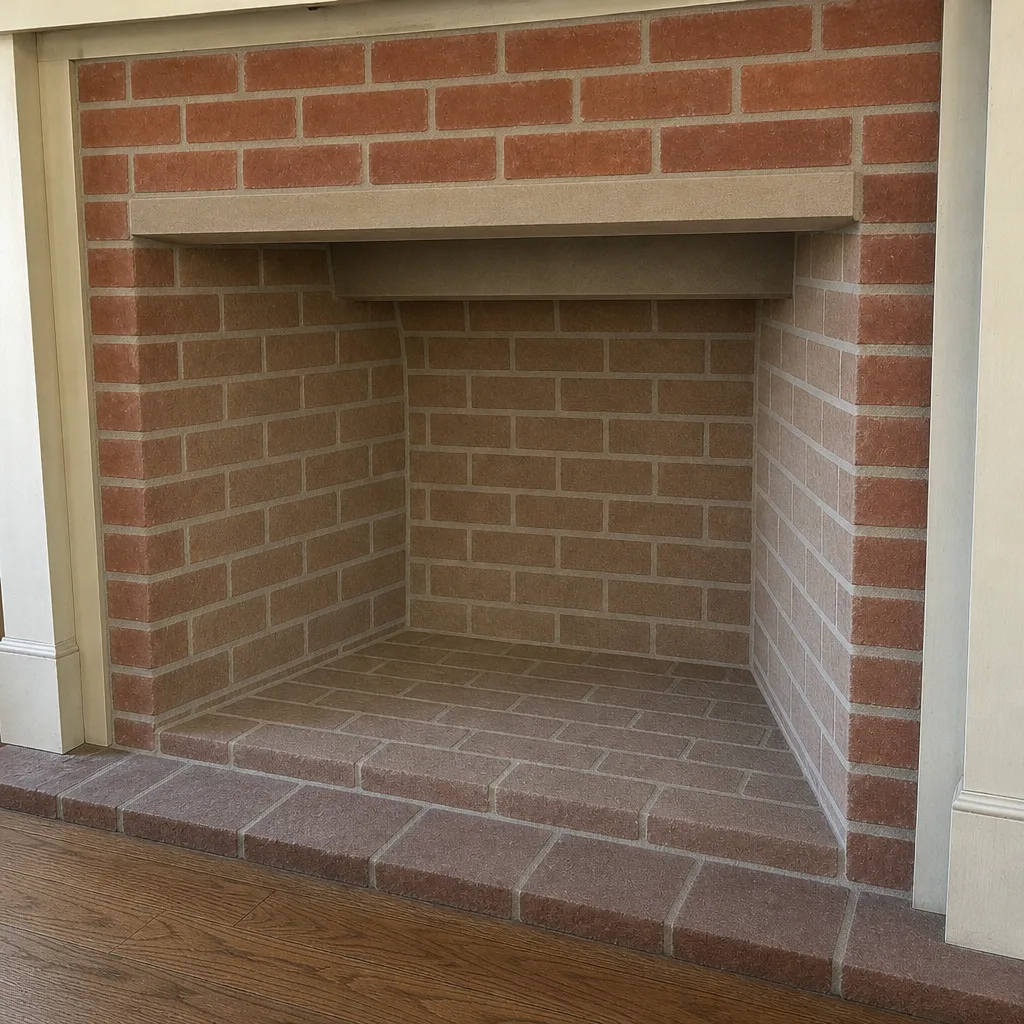 After
When to Call a Professional
An annual inspection is the baseline, and it’s the right call for most homes in Manchester with a working fireplace, wood stove, or gas insert. Beyond that, call a professional when something specific changes: a slow, smoky fire that didn’t used to be slow; a smell of smoke in the room when the fireplace isn’t lit; visible cracking or crumbling on the chimney exterior; water stains on the ceiling near the chimney; or a dryer that takes noticeably longer to dry a load than it used to, which often points to a lint-clogged vent. A flue that hasn’t been professionally assessed in years is worth a look regardless of how it’s behaving, since existing damage doesn’t always produce obvious symptoms.
Manchester Chimney Cleaning offers free estimates in Manchester – call (888) 804-9712. We identify the problem with a camera inspection you can see for yourself, and we fix it with professional-grade materials, from a routine chimney sweep to full liner restoration. One crew, one call, both your chimney flue and your dryer vent.
Frequently Asked Questions
The main differences are steel gauge, alloy grade, UL listing, and manufacturer warranty – all of which are verifiable on the product itself, not just in the contractor’s description. Professional-grade liners like DuraFlex are built and rated for continuous service behind combustion gases; hardware-store-grade materials typically lack the same documentation and are often thinner. Ask for the brand, gauge, and UL listing in writing on every estimate before comparing quotes.
Yes, and specifically whether it’s vapor-permeable. Manchester’s freeze-thaw cycles repeatedly stress exterior masonry, and a film-forming sealer can trap interior moisture that then expands inside the brick when temperatures drop – the exact damage waterproofing is supposed to prevent. A breathable professional product like Copperfield releases moisture vapor while keeping rain out. Ask directly whether the product breathes before agreeing to any waterproofing work.
For the right flue, HeatShield restoration is a genuine alternative to full relining and often costs less. It rebuilds and seals the existing flue interior rather than installing a new liner, which suits flues with the right dimensions and damage pattern. Not every flue qualifies, so a camera inspection is the deciding step. Ask whether restoration is an option before committing to a full reline estimate; a crew that stocks it can tell you honestly.
No. Creosote sweeping logs are a preventive aid for light deposits between professional cleanings, and they can’t remove glazed or heavy creosote. Mechanical cleaning with a brush is the only reliable way to clear the flue, and heavy deposits may need a professional-grade chemical treatment applied by a technician. Use sweeping logs as a supplement at most, not a substitute. Call (888) 804-9712 for an inspection if you’re unsure what stage your creosote is at.
The manufacturer warranty stands behind the product itself, separate from the contractor’s workmanship warranty, so it may remain valid if the contractor’s business later changes hands or closes. That’s precisely why specifying a recognized professional product matters: the warranty is documented and tied to a brand, not just to a handshake. Ask for both warranties in writing at the estimate stage and keep both. Call (888) 804-9712 if you’d like to talk through what those warranties should cover.
You don’t have to know in advance – the flue itself decides, once it’s been inspected. The shape, size, and condition of your liner determine whether a flexible DuraFlex retrofit fits, whether HeatShield restoration is viable, or whether cleaning alone is enough. A camera inspection with photos you can see is the honest starting point. Call (888) 804-9712. We answer 24/7. Fast dispatch from 7am to 7pm, Sunday through Friday.
The Bottom Line
Chimney work outlives the estimate that quoted it. The brand, gauge, and UL listing on the liner going into your flue will still be there in ten years, whichever contractor installed it. So the real question isn’t “which company sounds best” – it’s “which company stocks the professional-grade materials to do the job right, and will show me the evidence before recommending anything.” Ask what’s going into your chimney. Ask for the warranty. Ask to see the camera footage. A materials-equipped specialist answers all three without hesitation, and a sweep-only crew usually can’t.
If you’re ready to have those questions answered in person, call (888) 804-9712 for a free estimate. We answer 24/7. Fast dispatch from 7am to 7pm, Sunday through Friday. From annual sweep to full liner restoration, we identify the problem and fix it, with both your chimney flue and your dryer vent covered by one crew.
Written by the team at Manchester Chimney Cleaning, serving Manchester since 2012.