
Last updated November 14, 2026
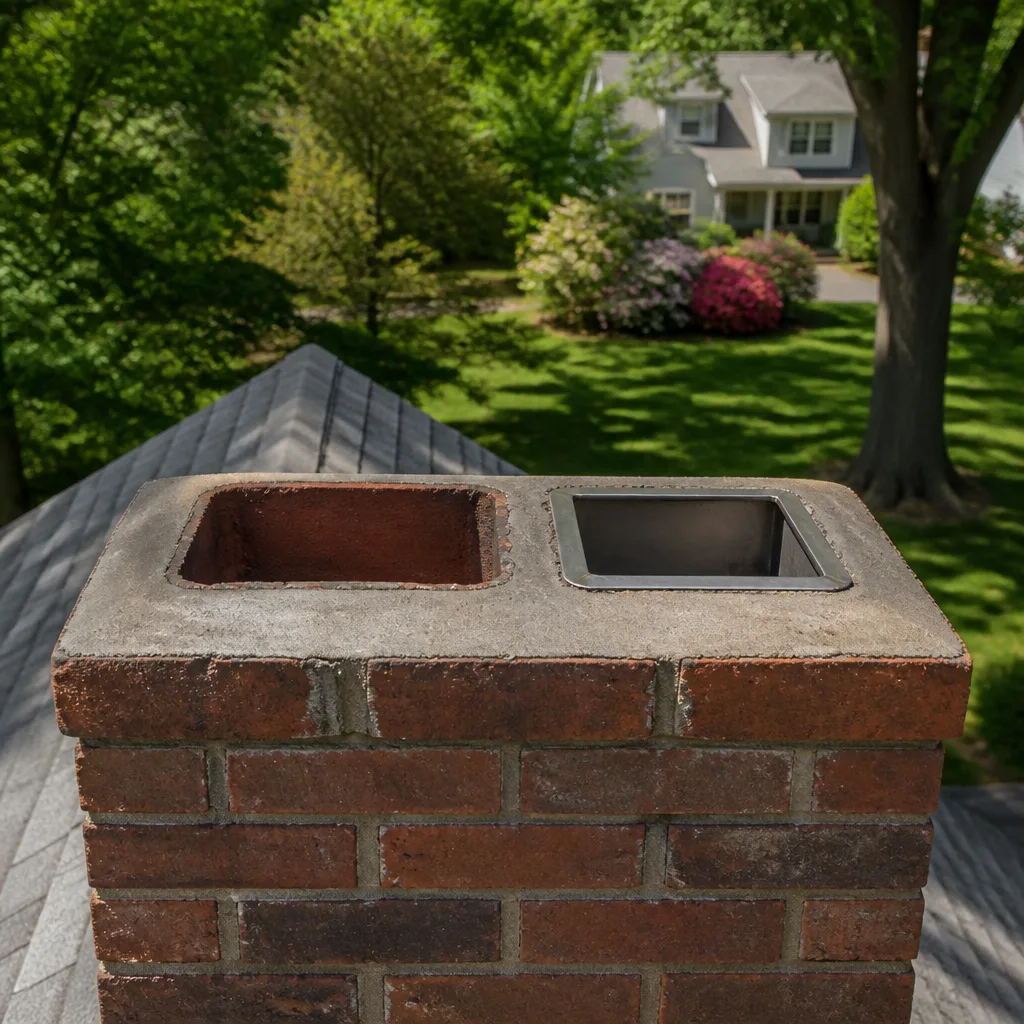 Sweep & inspection
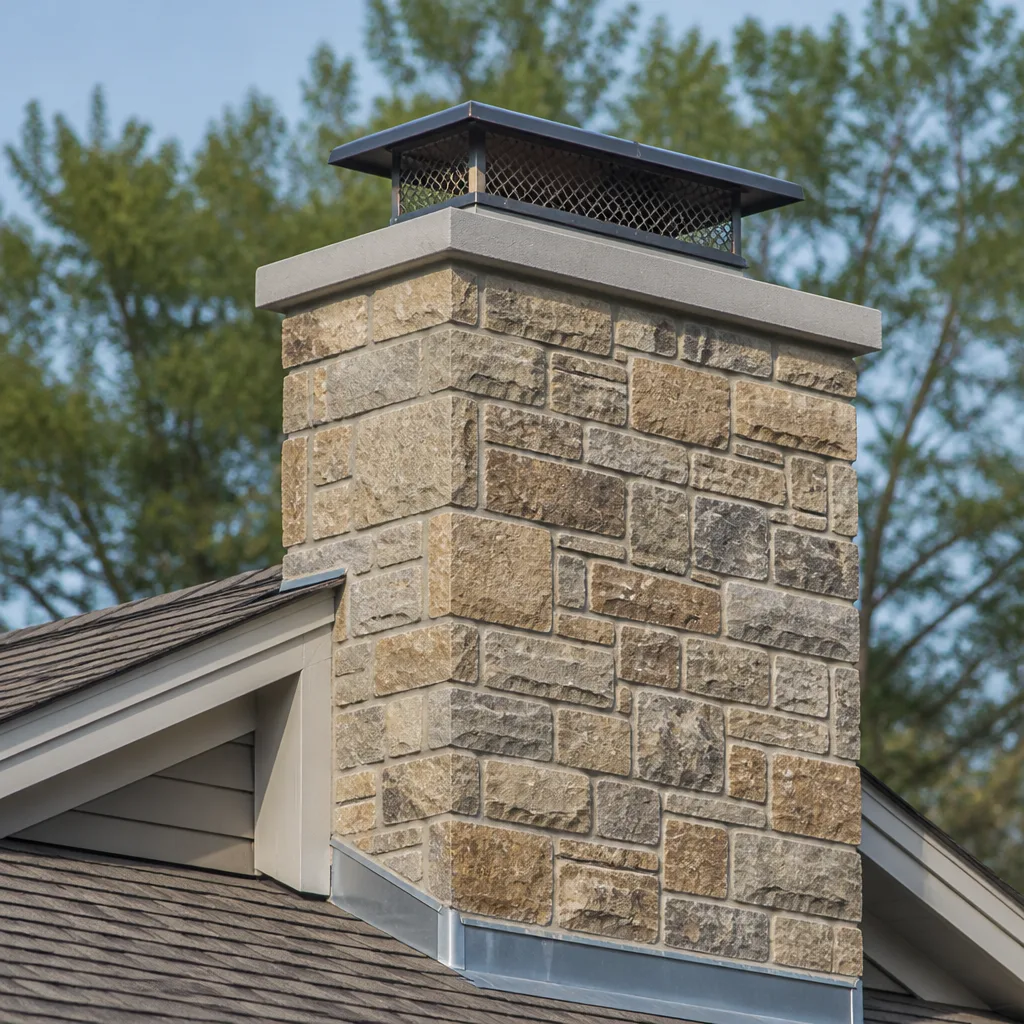 Caps & crowns
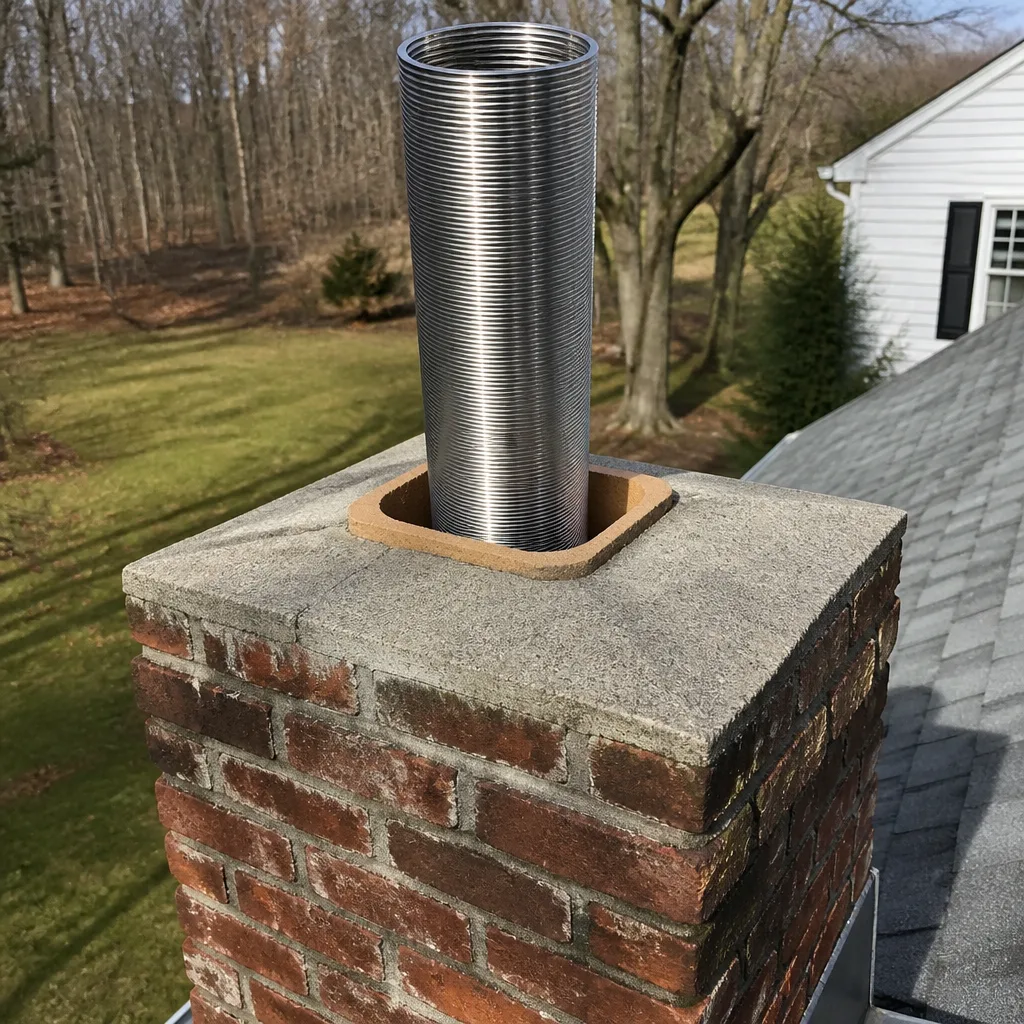 Flue relining
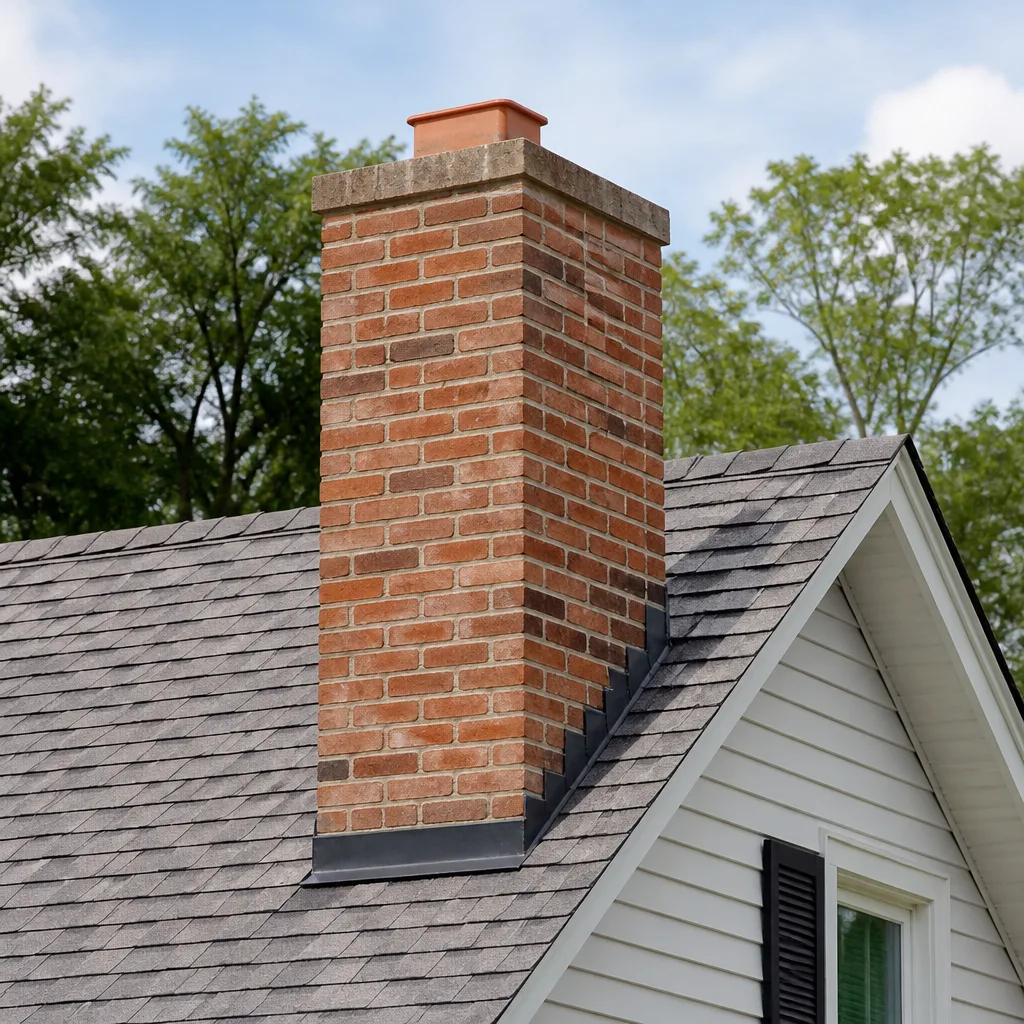 Masonry repair
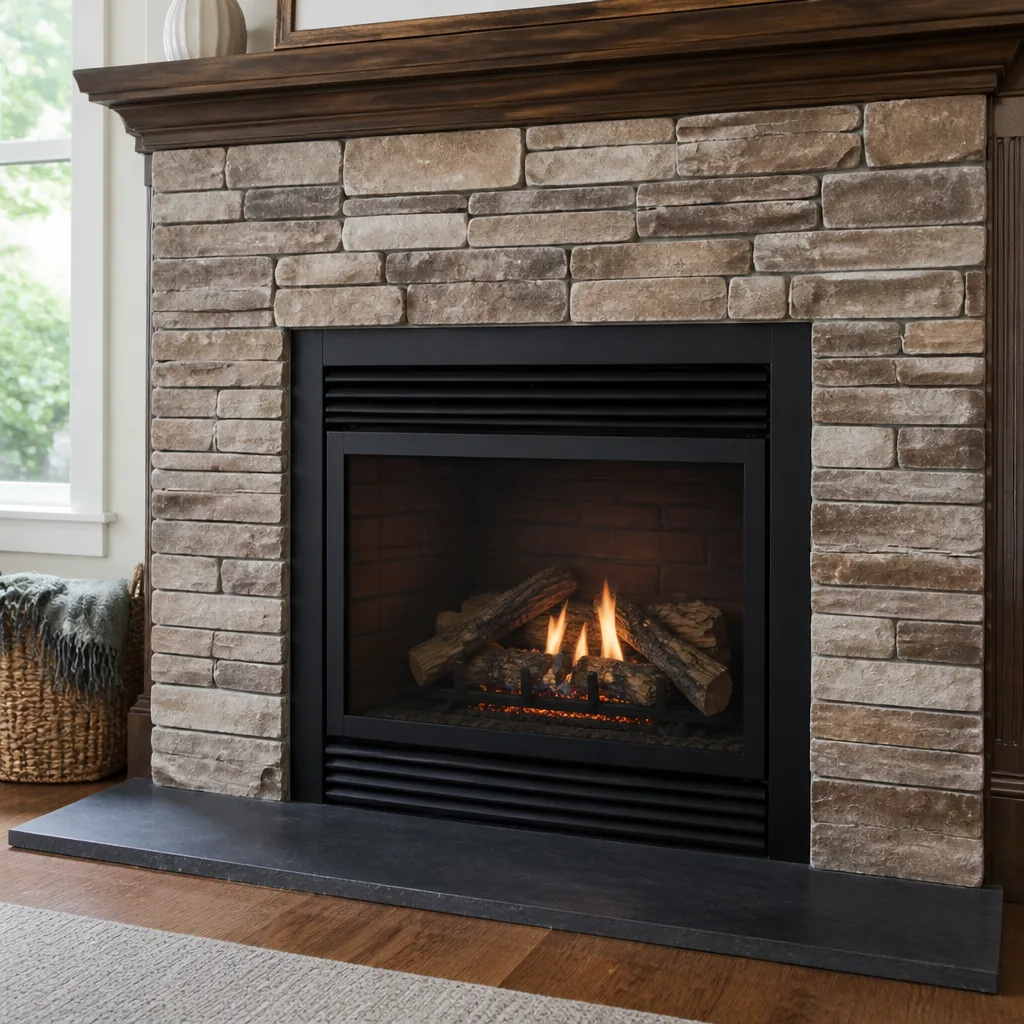 Gas fireplace service
Level 1 sweep and inspection to the NFPA 211 annual standard - flue, crown, cap, and flashing checked and photographed
Chimney sweep logs do not sweep chimneys. They loosen some creosote - which then falls where a brush and vacuum still have to collect it.
How to Hire a Chimney Cleaning Contractor in Manchester: A Step-by-Step Guide
CSIA certification tells you a technician passed an exam. It doesn’t tell you whether that technician carries liner materials on the truck, or whether every structural repair gets subbed out to somebody you’ve never met. In Manchester, that gap matters more than most homeowners realize. Our heating season is long, our housing stock is old, and the window for exterior chimney work closes fast once the cold settles in. A sweep-only crew will clean what they find and hand you a list of problems with no path to fixing them. This guide walks you through hiring a chimney contractor whose scope actually covers your problem, from the first phone call to signing off on the finished work.
Quick Answer
Hire a chimney contractor in Manchester by verifying three things in order: that the company is properly licensed and insured in New Hampshire, that they provide a written inspection report with photo or camera documentation before recommending any repair, and that their own crew can perform the repairs they recommend rather than referring you elsewhere. Certification matters, but scope is what separates a contractor who solves your problem from one who only diagnoses it.
Styles & brands we work with
- Sweep & inspection
- Caps & crowns
- Flue relining
- Masonry repair
- Gas fireplace service
Table of Contents
- Why Scope Matters More Than Certification Alone
- The Questions to Ask Before You Book
- How to Read a Chimney Inspection Report
- Verifying Licensing and Insurance in New Hampshire
- Red Flags Specific to Chimney Work
- Why One Contractor Matters in a New Hampshire Winter
- Step-by-Step: Hiring a Chimney Contractor
- Common Mistakes to Avoid
Why Scope Matters More Than Certification Alone
Certification is a floor, not a ceiling. A certified sweep has demonstrated knowledge of chimney systems, drafting, and inspection standards. What certification doesn’t guarantee is that the company you’re talking to can reline a flue, repoint a crown, or replace a damaged damper. Plenty of outfits in the Manchester area are set up for cleaning and nothing else. That’s a legitimate business model, but it means the moment your inspection turns up real damage, you’re starting the hiring process over with a second contractor.
We built Manchester Chimney Cleaning around the opposite idea. Inspection, cleaning, and repair happen under one roof, so a problem identified is a problem we can resolve. That continuity is the whole point of the single-contractor model, and it’s why we stock professional-grade materials from DuraFlex, HeatShield, Gelco, Olympia Chimney, Famco, and Copperfield rather than ordering per job or substituting generically. When a technician recommends a repair, the materials to do it are already in the workflow.
Ask any contractor you’re considering a direct question: “If my flue needs relining, do you do that yourselves?” If the answer involves a referral, a subcontractor, or a vague “we work with partners,” you now know you’re hiring a cleaning service, not a full-service chimney contractor. That’s fine if all you need is a sweep. It’s a problem if you’re in an older Manchester home where the flue has never been properly assessed.
The Questions to Ask Before You Book
These questions cost you nothing and tell you almost everything. Ask them on the phone before you schedule, and listen for specific answers rather than general reassurances. A contractor who knows their trade will answer these without hesitation.
- Can you reline a flue, and with what system? Listen for a named product line. Flexible liners like DuraFlex are designed for retrofitting older or irregular flues where rigid liners won’t fit. If the answer is “we’ll figure it out,” keep calling.
- Can you repoint a chimney exterior and rebuild a crown? Masonry repair on a chimney is specialized work. Some sweeps do it. Many don’t.
- Can you replace a damper? A seized or damaged damper is one of the most common findings in older homes, and it’s a straightforward repair for a company equipped to do it.
- Do you offer liner restoration, or only full replacement? HeatShield restoration is a legitimate alternative to full relining in the right conditions, and most sweep-only competitors can’t offer it. Asking this question tells you whether you’re talking to a company with a full toolkit or a one-tool operation.
- Will I get a written inspection report? The answer should be an immediate yes. A report without documentation is a sales pitch.
- Do you clean dryer vents as well? Both your chimney flue and your dryer vent are fire-risk flues in most homes. One contractor handling both means one relationship instead of two.
- Are you licensed and insured in New Hampshire? Ask for the details and verify them yourself. More on that below.
Notice that none of these questions test technical knowledge. They test scope. A homeowner in Manchester can ask all seven in under five minutes and learn more than an hour of research would tell them.
How to Read a Chimney Inspection Report
The words in an inspection report matter, and “monitor” versus “repair immediately” are not interchangeable. Understanding the difference protects you from approving work you don’t need and from ignoring damage that shouldn’t wait.
Most inspections follow a standard three-level framework. A Level 1 inspection covers readily accessible portions of the chimney with the appliance connected. A Level 2 inspection adds a video camera scan of the flue interior and is the standard when a home changes hands, an appliance changes, or a problem is suspected. A Level 3 inspection goes further and may involve opening walls or removing parts of the chimney structure. Any contractor recommending significant liner work based on a Level 1 inspection alone is skipping a step.
Here’s how to read the recommendations themselves:
- “Monitor”: The finding is real but not urgent. It may be a hairline crack, minor spalling, or a small area of glaze. The right response is to re-check it at your next sweep and document its condition now so you can tell whether it’s getting worse.
- “Repair soon”: The damage is progressing and will get more expensive or more hazardous if ignored. Scheduling it before the next heating season is reasonable.
- “Repair immediately / do not use”: This means the flue or venting is unsafe as it stands. A cracked liner, a blocked flue, or a failed connection can let carbon monoxide into the living space or allow creosote to reach framing. This is the finding you act on now.
A report built on camera footage or photographs lets you see the evidence yourself. If a contractor can’t or won’t show you what they’re seeing, that’s not a report, it’s an opinion. We identify the problem and fix it, and we’re comfortable with homeowners asking to see the footage before agreeing to anything. For a deeper look at what a professional chimney sweep actually includes, that page walks through the process.
Verifying Licensing and Insurance in New Hampshire
New Hampshire doesn’t hand out a single “chimney contractor” license the way some states do for electricians or plumbers. What you’re verifying, then, is a combination of business registration, general liability and workers’ compensation insurance, and any trade-specific credentials the company claims. This is exactly why you verify rather than assume.
- Ask for the company’s insurance certificate. You want general liability coverage and, if they have employees, workers’ compensation. A contractor with no workers’ comp is a liability risk you inherit if someone is hurt on your property.
- Check the certificate’s dates. A lapsed policy is worse than no claim at all, because it looks like coverage until you read the expiration.
- Confirm the legal business entity. New Hampshire’s Secretary of State business search will tell you whether the company is registered and in good standing.
- Ask about certifications and verify them. If a contractor claims CSIA certification, the CSIA maintains a searchable directory of certified professionals. Look up the individual technician by name.
- Ask about manufacturer training. A company that installs DuraFlex or Olympia Chimney systems typically has manufacturer-level training behind that work. It’s fair to ask.
None of this is adversarial. A professional contractor expects to be asked, and produces the paperwork without friction. If verifying a certificate feels like pulling teeth, that’s your answer about how the rest of the relationship will go. The same standard applies if you’re scheduling service in Manchester or anywhere else in the region.
Red Flags Specific to Chimney Work
Chimney repair is one of the easiest trades to oversell, because most homeowners can’t see inside their own flue. That information gap is exactly what a few bad actors exploit. Here’s what to watch for.
- A vague estimate with a wide range and no line items. A real estimate describes the specific work: relining X feet of flue with a named liner, repointing a stated area, replacing a damper. “Chimney repair: $3,000 to $7,000” tells you nothing and prices nothing.
- No written inspection report. If the technician goes up on the roof and comes down with a verbal summary and a price, you have no documentation of what was found, its condition, or how the recommendation follows from it. Ask for the report before discussing cost.
- Pressure to approve full liner replacement without documented evidence. This is the big one. Liner replacement is real work that some flues genuinely need. It’s also the most expensive recommendation a chimney company can make. The evidence should be camera footage or photos you can look at, not a claim that “these older liners are always shot.”
- Recommendations that arrive before the cleaning is finished. A technician shouldn’t be quoting a liner replacement while the flue is still full of soot. Inspect, clean, document, then recommend.
- No explanation of whether the work can wait. An honest contractor will tell you plainly when a repair can safely be deferred to the next season. If everything you’re told is urgent, ask why.
- Cash-only requests or no written contract. Standard practice is a written contract covering scope, materials, and price, paid through traceable means.
Fire safety is the real reason to take this seriously, but it’s also the reason to be skeptical of scare tactics. A blocked flue or a cracked liner carries genuine risk of chimney fire or carbon monoxide exposure in your home. That risk is specific and documented, or it isn’t there. A contractor who can’t show you the evidence behind an urgent recommendation is selling urgency, not safety.
Why One Contractor Matters in a New Hampshire Winter
Chimney repair in Manchester operates on a seasonal clock. Exterior masonry work, crown repairs, and relining all depend on working conditions, and the window starts narrowing in late fall. Once the cold sets in and the roof is covered, exterior work slows or stops, and homeowners who didn’t address a problem in the fall find themselves living with it until spring.
That’s the problem with hiring a sweep-only contractor. Suppose a technician inspects your flue in October, finds a deteriorating liner, and refers you to a mason. You call the mason. The mason is booking six weeks out. By the time they arrive, you’re into the cold months, and if the liner work needs to be paired with a crown repair, you may now be coordinating two trades on two schedules for a single chimney. Meanwhile you can’t safely use the fireplace.
A single-contractor model collapses that into one visit and one scope of work. If the inspection turns up a liner problem, the same company that found it can restore or replace the liner using materials it already carries. If the crown needs rebuilding while the liner is out, that’s one job, not two, and one crew that already knows your chimney. From annual sweep to full liner restoration, the point is closing the gap between diagnosis and repair before the season closes it for you.
This is why we handle dryer vent cleaning alongside chimney work as well. Both are vents in your home that accumulate flammable material, and both benefit from being handled by the same contractor who already knows the layout of your house.
Step-by-Step: Hiring a Chimney Contractor
Here’s the process, start to finish. It works for a routine annual sweep and for a homeowner facing a major repair.
- Define what you actually need. Is this a routine annual cleaning, or do you have a specific symptom, like smoke rolling into the room, a smell when the fireplace isn’t in use, or a damper that won’t move? Specific symptoms get specific inspections.
- Shortlist two or three contractors who cover the full scope you might need. Use the questions above. You want at least one contractor on your list who can clean and repair, in case the inspection finds something.
- Verify licensing, insurance, and certifications. Ask for the certificate, check the business registration, and confirm any certification claims against the certifying body’s directory.
- Book the inspection and cleaning together. The inspection report should follow the cleaning, so the technician is evaluating a flue they can actually see.
- Read the report before discussing price. Separate the findings from the recommendations. Ask which findings are “monitor” level and which are urgent, and ask to see the camera footage or photos.
- Get a written, itemized estimate for any recommended work. It should name materials, describe the work area, and separate repairs so you can prioritize.
- Ask directly: can this wait? A straightforward contractor will tell you when a repair can safely be scheduled for spring.
- Sign a written contract before work begins. Scope, materials, price, and payment terms should all be on paper.
For a broader overview of what we do, start with Manchester Chimney Cleaning, and the rest of this guide becomes a checklist you can hold any contractor to.
How Often Should a Chimney Be Swept in Manchester?
Once a year for most wood-burning fireplaces and wood stoves is the standard recommendation, but the real answer depends on how much you burn. Homes that burn regularly through a long Manchester heating season will accumulate creosote faster than homes that light a fire a few times a month. A gas insert or gas appliance needs inspection on its own schedule, and any chimney that has never been assessed should be inspected before next season.
Timing matters as much as frequency. Booking a sweep in late summer or early fall gets the work done before you need the fireplace and leaves room to schedule any repair the inspection turns up. Books fill as the season approaches, so scheduling early is a practical move, not a marketing one.
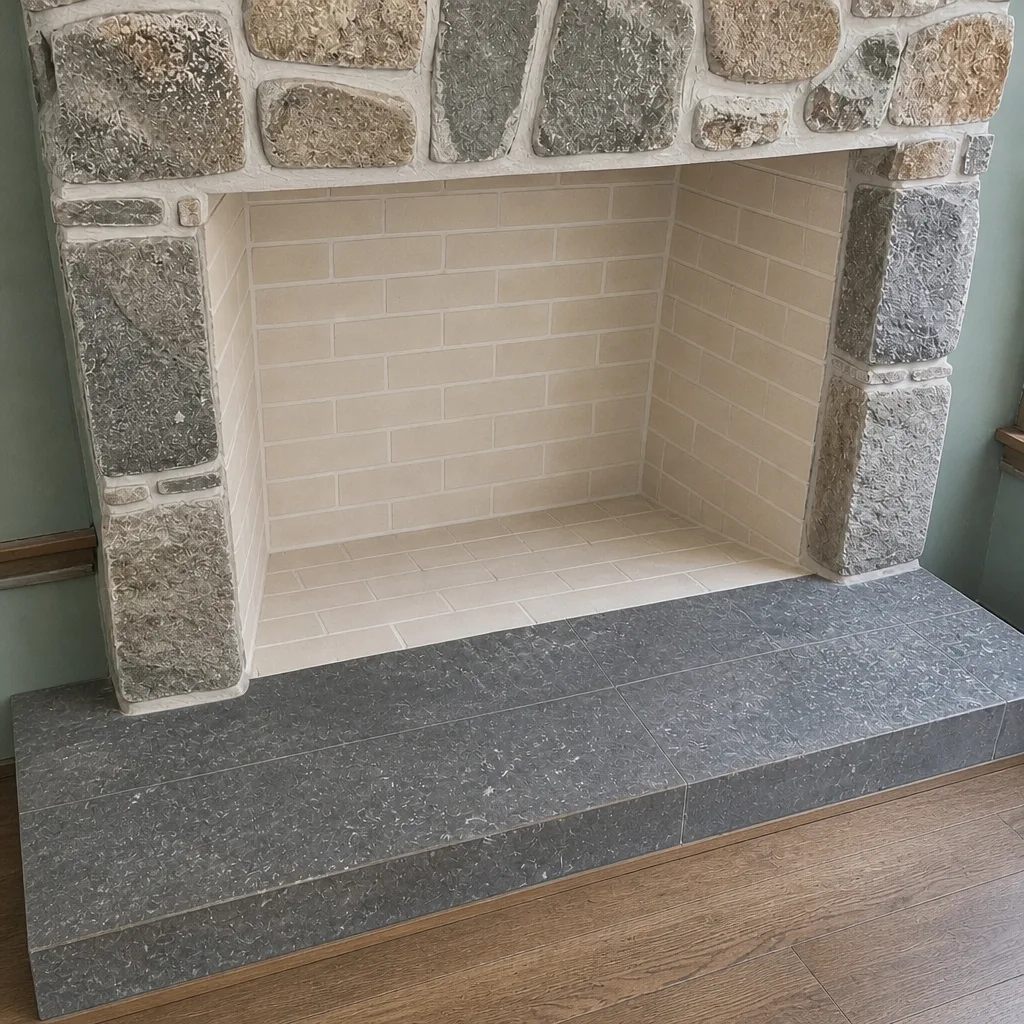
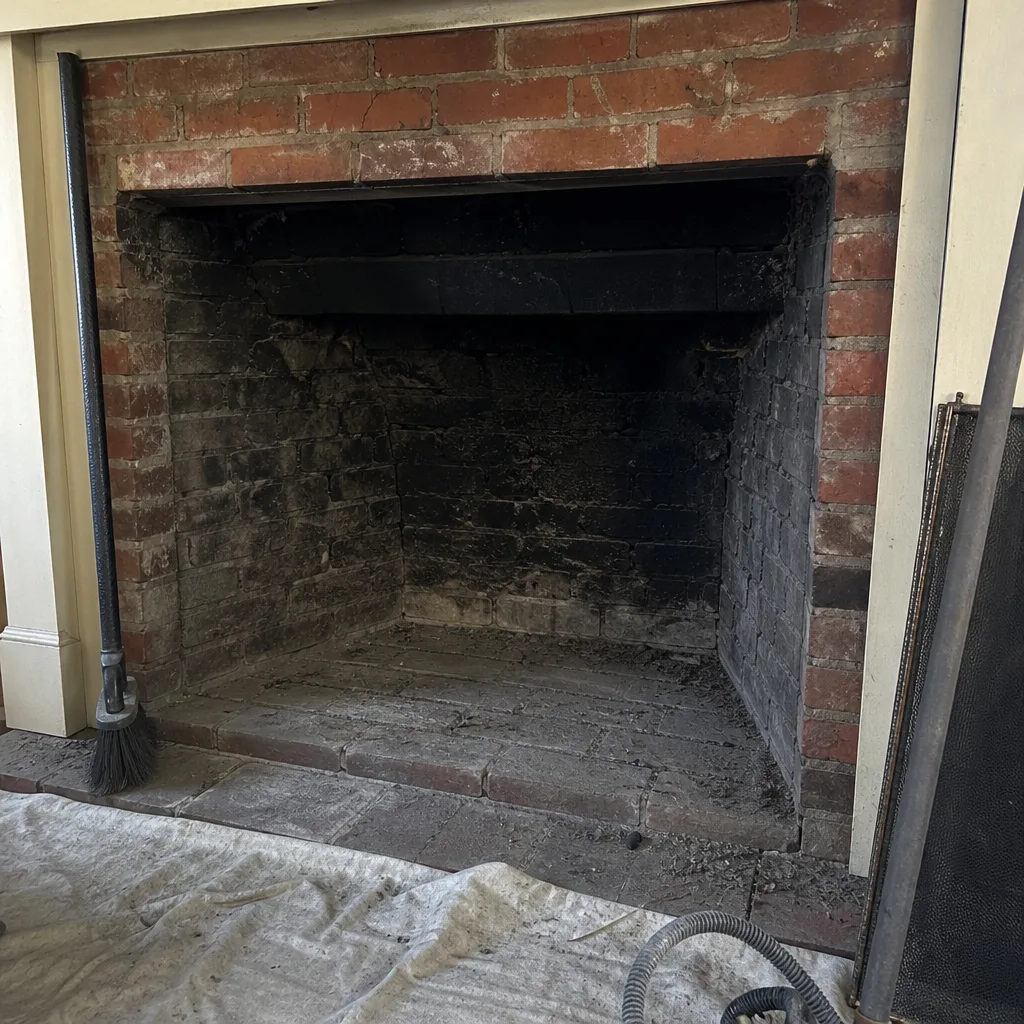
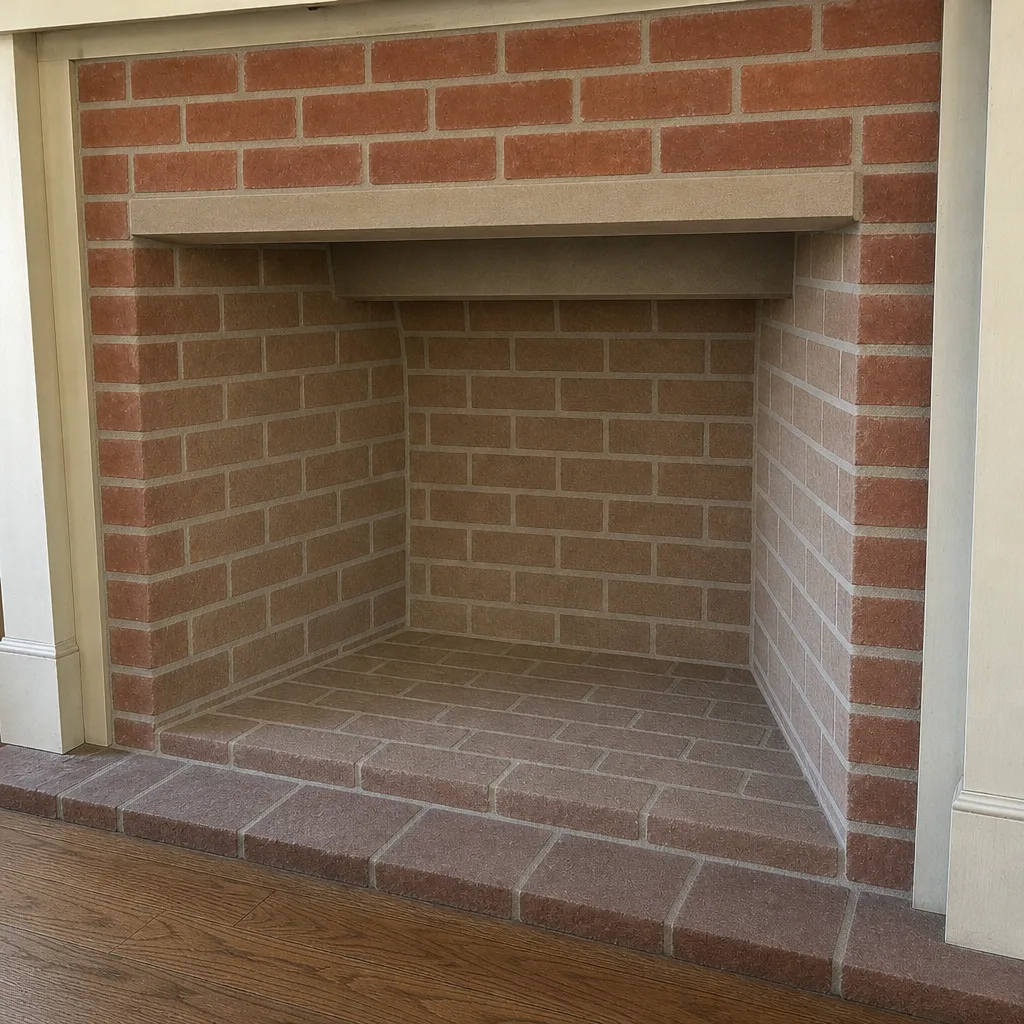
See the difference
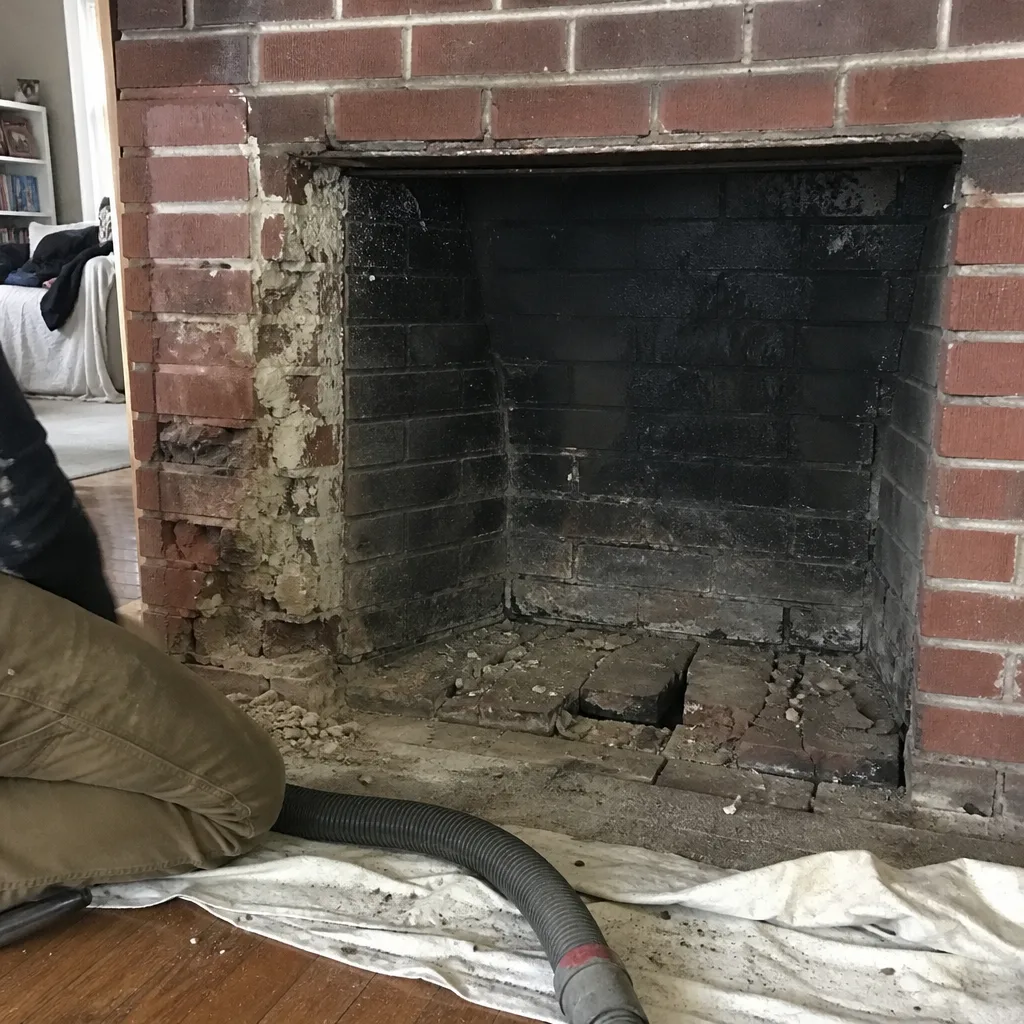 Before
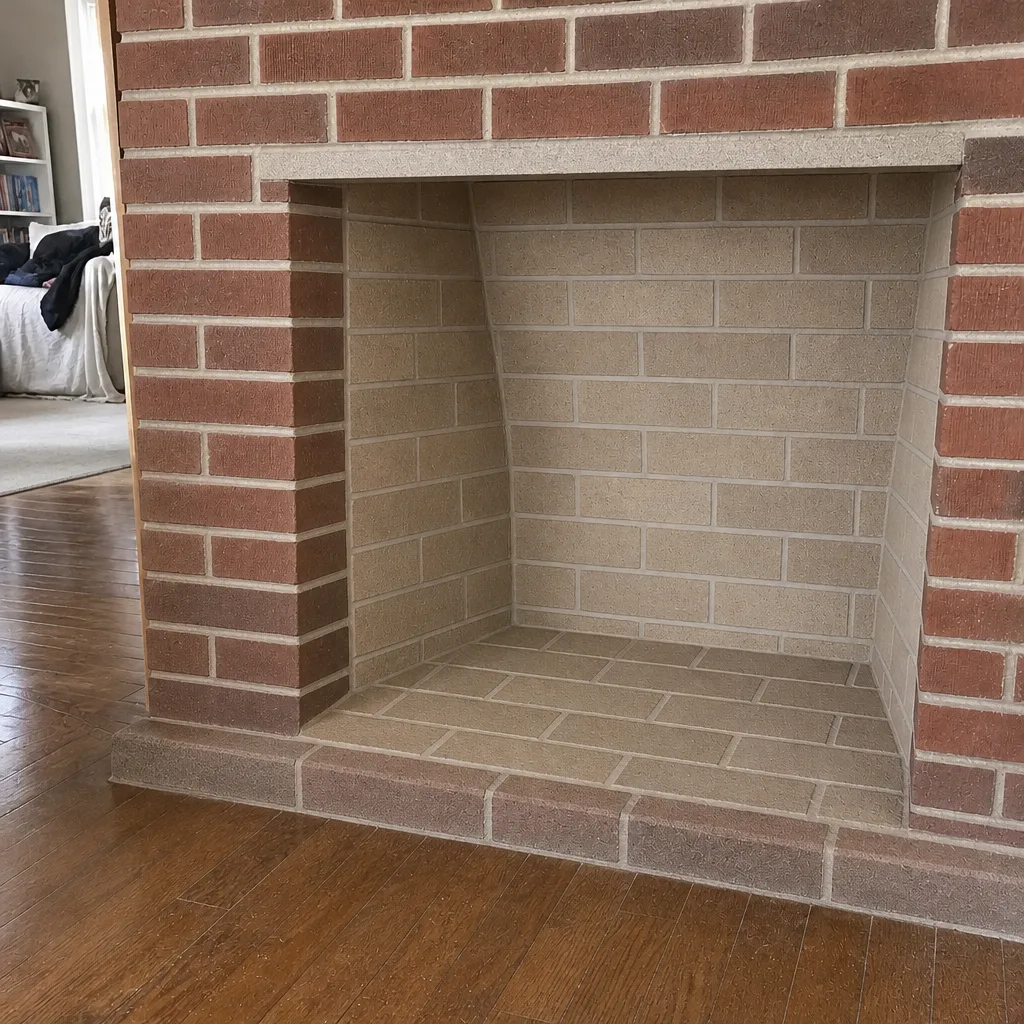 After
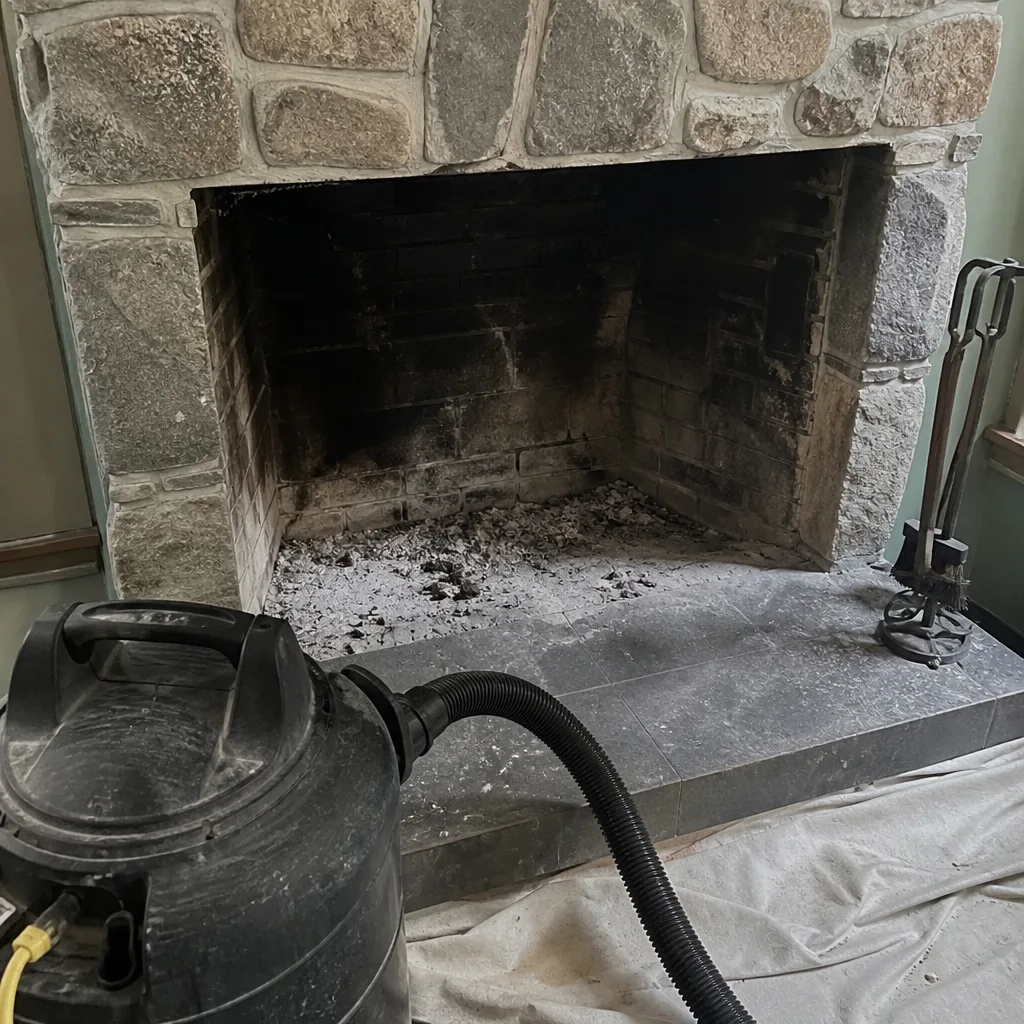 Before
 After
 Before
 After
What Actually Happens if You Skip It?
Creosote accumulates in stages. Light, flaky deposits are routine and easy to clean. As it builds, it becomes sticky and harder to remove, and at the later stage it hardens into glaze. Glazed creosote is highly flammable and is the fuel behind most chimney fires. Beyond creosote, a skipped inspection means a structural problem like a cracked flue tile or a failed liner goes unnoticed, and that’s a pathway for carbon monoxide into the home.
None of that happens overnight. It builds over seasons, which is exactly why an annual sweep combined with a documented inspection is the whole point. The inspection is what catches the slow-moving problems before they become urgent.
Common Mistakes to Avoid
- Hiring on price alone. The lowest quote often comes from a crew doing half the work. Compare scope, materials, and whether the company can actually do the repairs it recommends.
- Approving liner replacement without seeing evidence. Ask for camera footage or photos before agreeing to any major work. If it can’t be shown, it can’t be verified.
- Not asking whether the contractor repairs what they find. Sweep-only crews leave you to find a second contractor, often right when Manchester’s working season is closing.
- Skipping the dryer vent. It’s not a chimney, but it’s the other fire-risk flue in your home, and it belongs on the same annual checklist. We handle Famco dryer vent materials and repairs as part of the same visit.
- Ignoring the inspection report. A report filed away unread is a missed opportunity. Review the “monitor” items at your next sweep so you can track whether they’re getting worse.
- Waiting until the first cold snap. By then, the fall repair window is closing and the schedule is full. Book in late summer.
- Assuming certification covers everything. Certification tells you the technician knows the standards. It doesn’t tell you what they can build, reline, or restore. Ask.
When to Call a Professional
Some jobs don’t wait for an annual appointment. Call a professional immediately if you smell smoke in the house while the fireplace is not in use, if smoke rolls back into the room when you burn, if you notice a strong creosote smell on warm days, or if you see visible damage to the chimney exterior, such as loose bricks or a crumbling crown. Any of these point to a venting or structural problem that a trained technician needs to evaluate.
For a routine sweep, schedule before the heating season, particularly if your home is older or the flue has never been assessed. Manchester Chimney Cleaning offers free estimates in Manchester, so there’s no cost to having a problem looked at and documented. Call (888) 804-9712. We answer 24/7. Fast dispatch from 7am to 7pm, Sunday through Friday.
Frequently Asked Questions
A routine chimney sweep in Manchester is typically priced per job based on the flue’s condition and accessibility, and any repair work is quoted separately from a written, itemized estimate. The written estimate sets the final price, so there’s no surprise afterward. Call (888) 804-9712 for an exact quote – estimates are free.
You need a new liner if the existing liner is cracked, deteriorated, or no longer rated for the appliance venting into it, and that finding should be shown to you on camera before you agree to anything. Some flues can be restored with HeatShield rather than replaced entirely, which is a real alternative most sweep-only competitors can’t offer. Call (888) 804-9712 for an exact quote – estimates are free.
Once a year is the standard for wood-burning appliances, with frequency increasing if you burn heavily through the season. Homes that have never had an inspection should book one regardless of how much they burn. Call (888) 804-9712 for an exact quote – estimates are free.
Creosote builds up over seasons and becomes more flammable and harder to remove as it hardens into glaze, and a missed inspection means structural problems like a cracked liner go undetected. The risk is real but it develops slowly, which is why catching it with an annual inspection is the point. Call (888) 804-9712 for an exact quote – estimates are free.
Not every company can. Ask directly whether the contractor relines flues, repoints masonry, and replaces dampers in-house, and treat a referral to another contractor as a sign you’re hiring a cleaning service only. A full-service contractor handles the inspection, cleaning, and repair under one roof. Call (888) 804-9712 for an exact quote – estimates are free.
“Monitor” means the finding is real but not urgent and should be re-checked at your next sweep, while “repair immediately” means the venting is unsafe as it stands and should not be used until fixed. Ask to see the camera footage or photos behind the recommendation either way. Call (888) 804-9712 for an exact quote – estimates are free.
The Bottom Line
Hiring a chimney contractor in Manchester comes down to matching scope to your problem. Verify licensing, insurance, and certification, but don’t stop there. Ask what the company can actually build, reline, and restore, and insist on a written inspection report with documented evidence before you approve any major work. A contractor who can clean, inspect, and repair in one visit saves you the seasonal race that comes with hiring a sweep-only crew. Manchester Chimney Cleaning offers free estimates in Manchester. Call (888) 804-9712. We answer 24/7. Fast dispatch from 7am to 7pm, Sunday through Friday.
Written by the team at Manchester Chimney Cleaning, serving Manchester since 2012.