
Last updated November 14, 2026
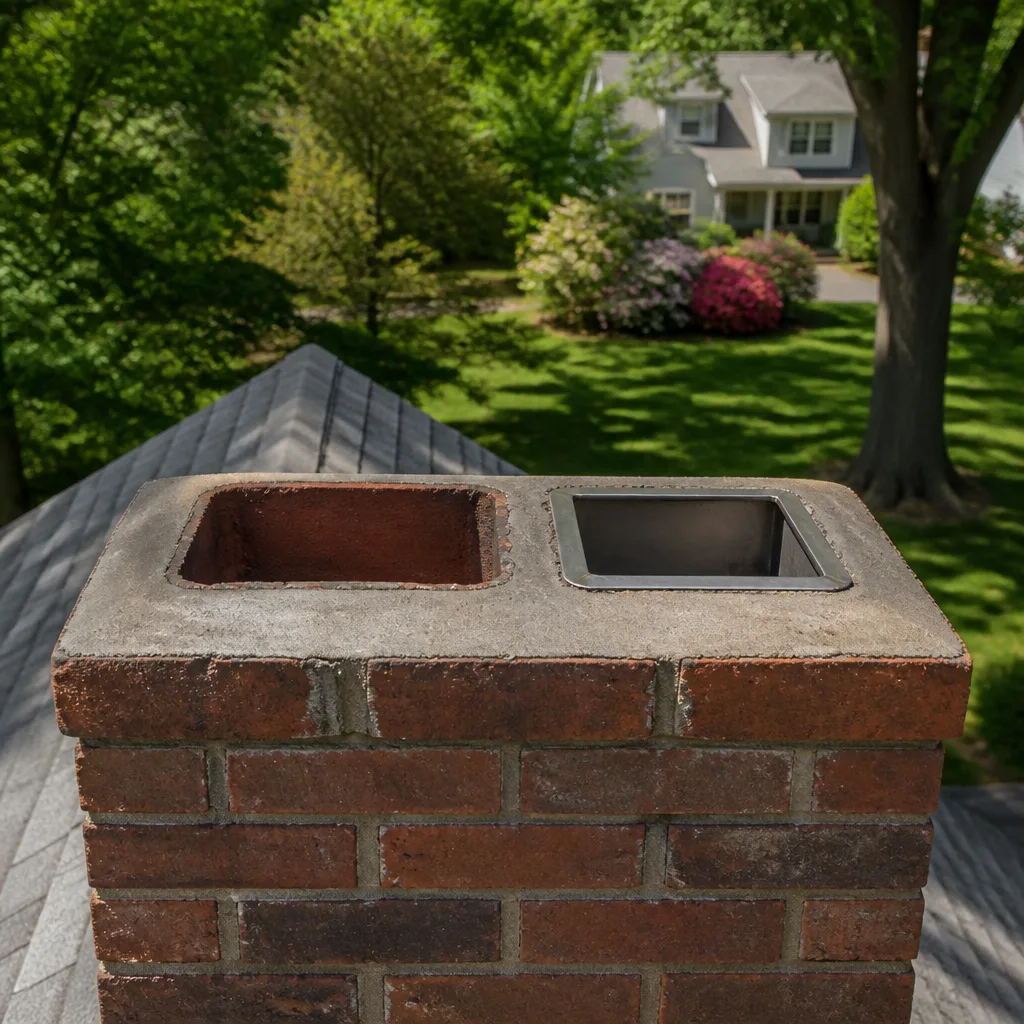 Sweep & inspection
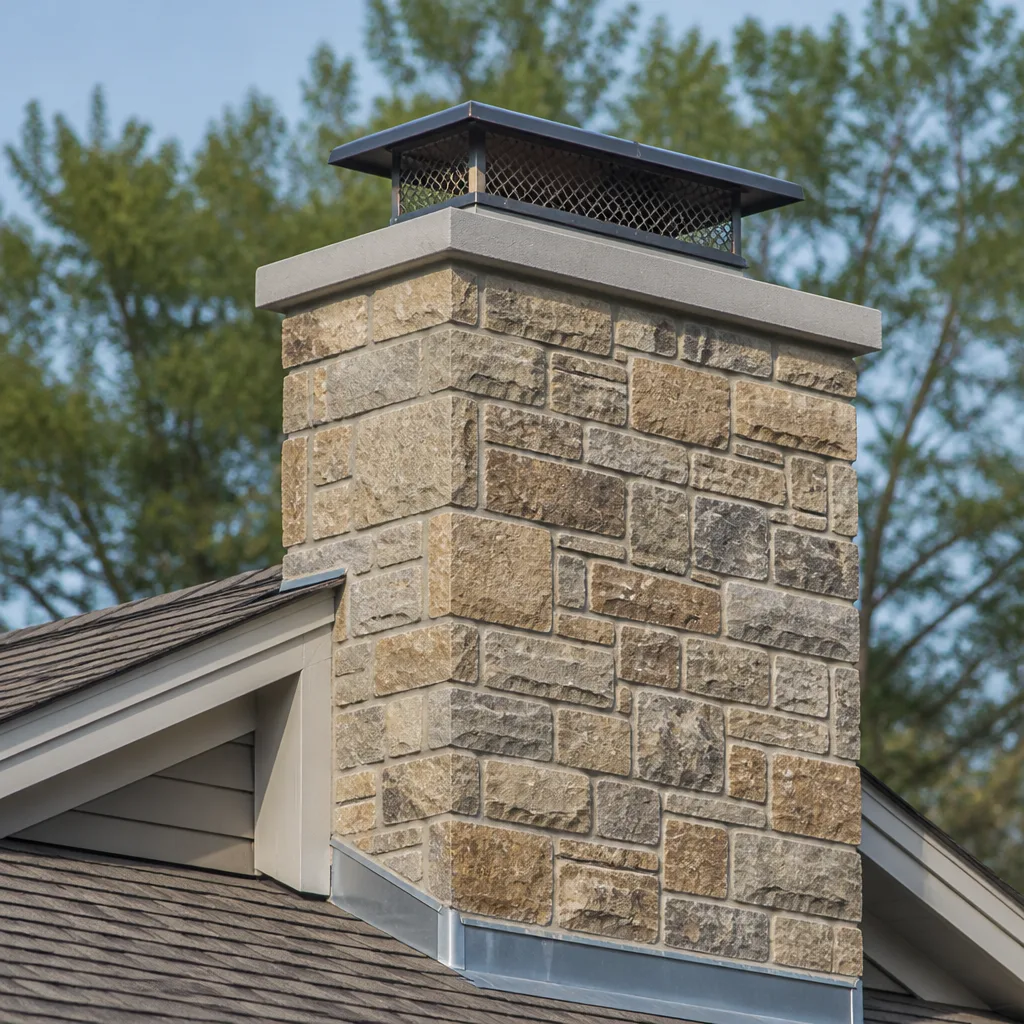 Caps & crowns
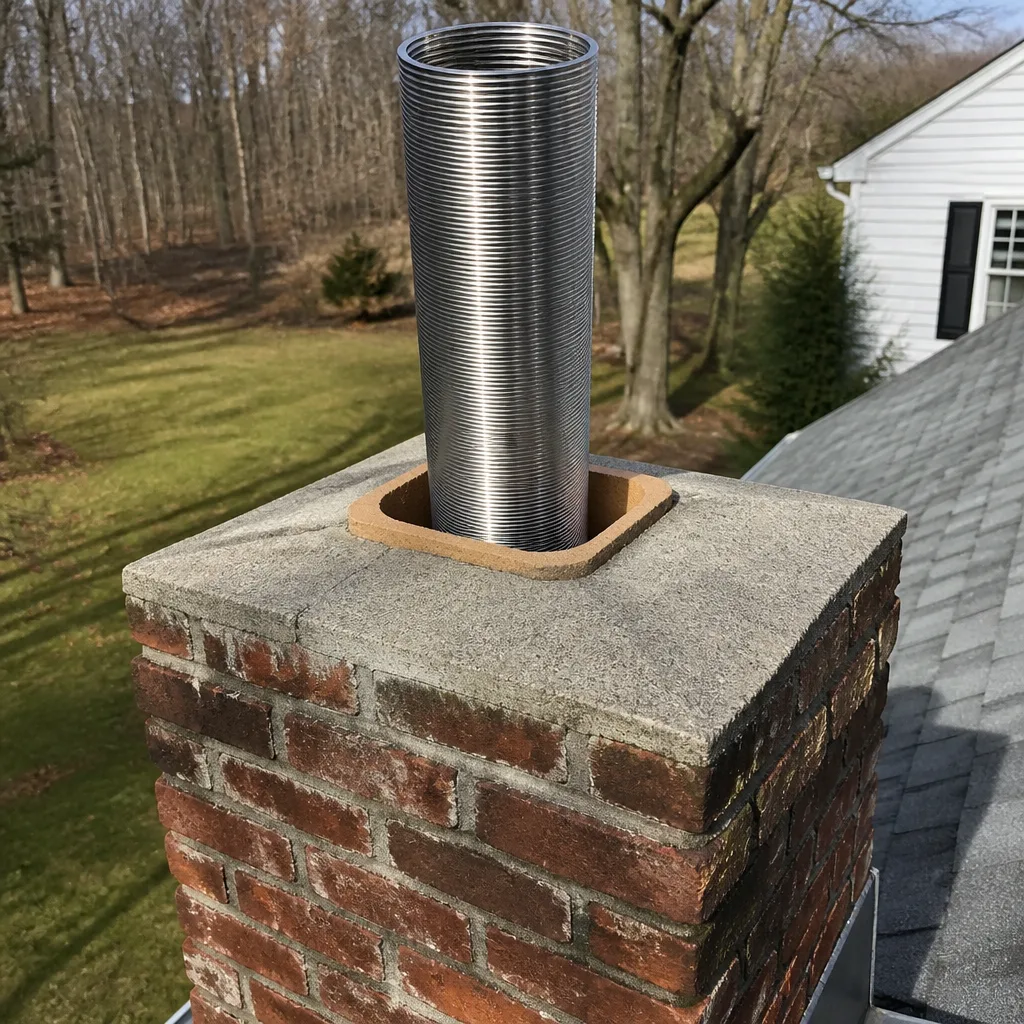 Flue relining
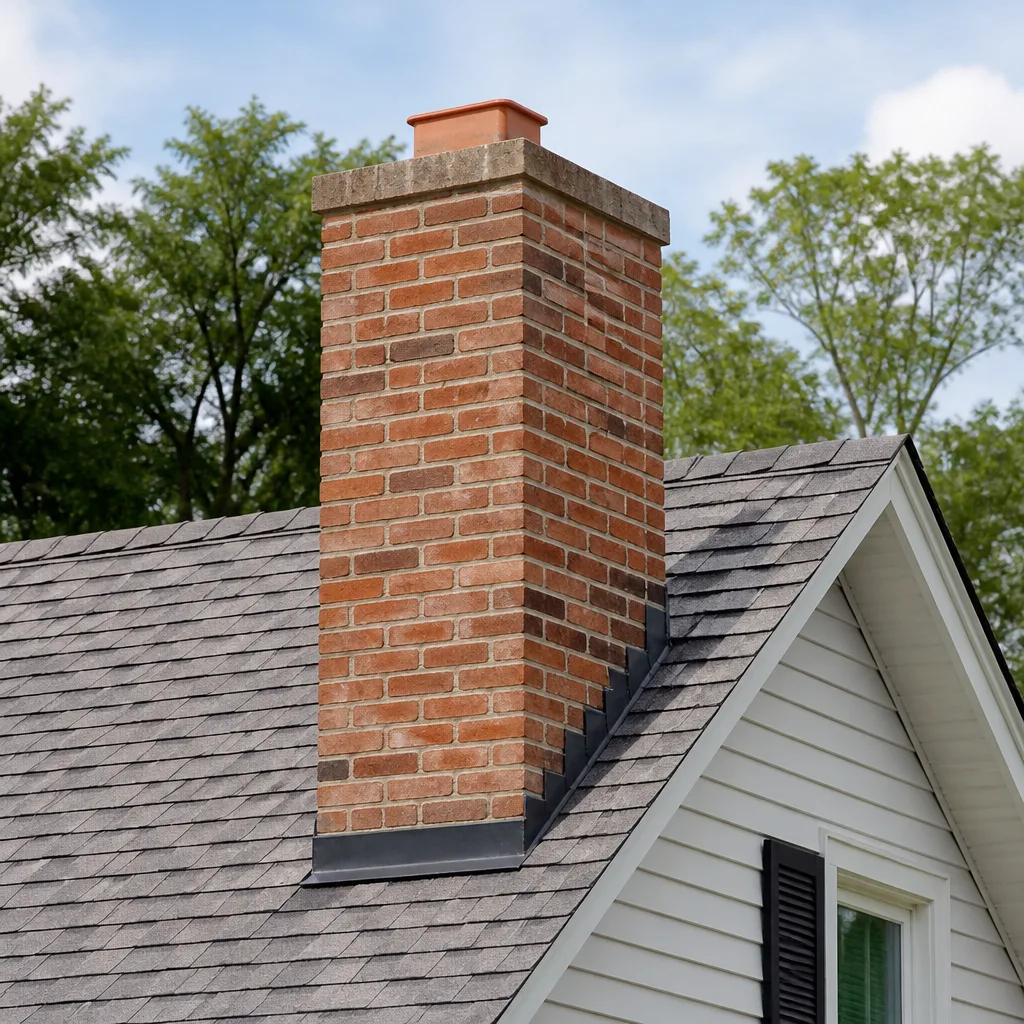 Masonry repair
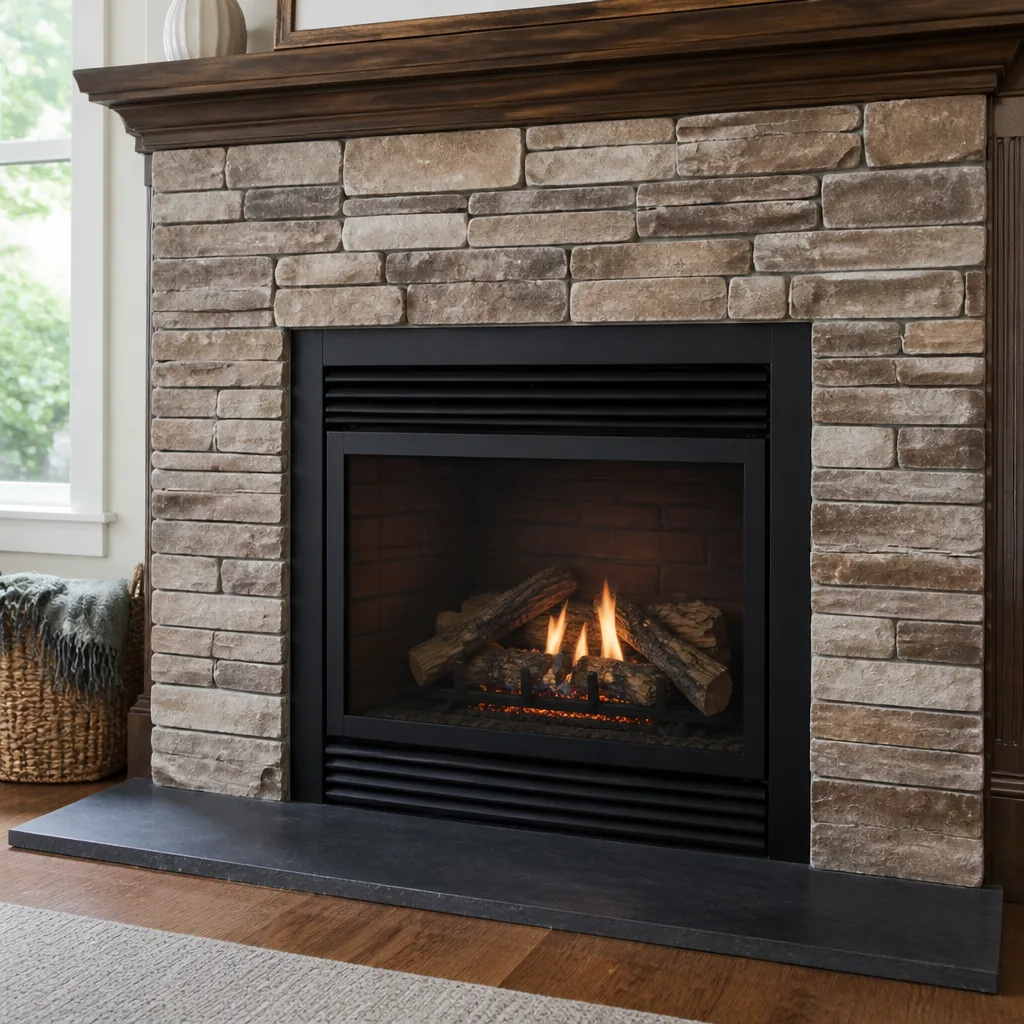 Gas fireplace service
Level 1 sweep and inspection to the NFPA 211 annual standard - flue, crown, cap, and flashing checked and photographed
Chimney sweep logs do not sweep chimneys. They loosen some creosote - which then falls where a brush and vacuum still have to collect it.
Chimney Cleaning Emergency Preparedness Guide for Manchester Homes
Most homeowners think they’ll know a chimney emergency when they see one. In our experience, that’s the problem. A chimney fire can sound like a freight train, or it can burn quietly enough that the only sign is a crack you won’t see until weeks later. A carbon monoxide problem from a heating appliance often produces no smell and no visible smoke at all. And an animal nest in a flue can sit there undetected until the first cold night you light a fire and smoke backs into the room. This guide isn’t a checklist of things to buy. It’s a protocol for the first ten minutes of three specific Manchester emergencies, plus the documentation and call order that decide whether your insurance claim goes smoothly or stalls.
Quick Answer
A chimney emergency in Manchester calls for three things in order: get people out and call 911 if there’s active fire, smoke in the living space, or anyone with carbon monoxide symptoms; do not relight the appliance until a technician has inspected the flue; and photograph everything before anyone cleans or repairs. A chimney fire being “out” does not mean the flue is safe. Call Manchester Chimney Cleaning at (888) 804-9712 to book an inspection after any event.
Styles & brands we work with
- Sweep & inspection
- Caps & crowns
- Flue relining
- Masonry repair
- Gas fireplace service
Table of Contents
- What to Do in the First Ten Minutes of a Chimney Fire
- Why Your Chimney Isn’t Automatically Safe After the Fire Is Out
- Carbon Monoxide: The Fireplace and Heating Appliance Scenario
- Animal Blockages: What a Blocked Flue Looks Like Before You Light a Fire
- Post-Emergency Documentation for Your Insurance Claim
- Who to Call in Manchester, and in What Order
- Preparedness Before Heating Season Starts
What to Do in the First Ten Minutes of a Chimney Fire
A chimney fire has a signature sound. Homeowners describe a low roar, a rumbling, or a jet engine winding up, sometimes with popping or clicking from the stovepipe. You may see thick smoke or flames at the top of the chimney, or glowing creosote flakes falling onto the roof. You may also see nothing at all. Creosote fires inside a flue can burn hot and dirty without ever showing themselves from the ground.
If you suspect a chimney fire is happening right now, here’s the order:
- Get everyone out of the house and call 911. This is not a judgment call. Even a small chimney fire can spread into wall framing or the attic, and only the fire department can confirm it hasn’t.
- Close the glass doors or the stove door if you can do it safely from a distance. Cutting off the air supply starves the fire. Don’t reach across flames to do it.
- Don’t throw water on it. Water on a hot flue can crack clay tile liners and cause a steam explosion inside the chimney. Water on a wood stove can warp the steel.
- Don’t spray a fire extinguisher up the flue. A dry-chemical extinguisher is for the stove or hearth, not for a chimney interior.
- Wait outside, and tell the fire department what you heard and saw. Timing, sound, and how long it lasted all matter for what they check.
Two situations get described as “the fire went out on its own.” One is a real chimney fire that burned through its fuel and stopped. The other is a flue fire that burned a hole in the flue liner or cracked a tile and went out because it lost its draw. Those two look the same from the living room, and only one of them leaves a chimney that’s safe to use.
If you’re outside Manchester’s more densely built neighborhoods and your home sits on a larger lot, the fire department’s response still follows the same sequence, but the wait can feel longer. That’s a reason to have a clear plan, not a reason to improvise one. In Manchester, heating season runs long enough that most households are burning from October into April, which means a single creosote fire has plenty of time to happen.
Why Your Chimney Isn’t Automatically Safe After the Fire Is Out
Here’s the part that surprises people: the danger is often highest after the flames stop. A chimney fire can exceed the temperature rating of a standard clay tile liner. When tile liners crack, the gap behind them opens a path to wood framing, insulation, and the joists in your attic. That cracked flue can look completely normal from the fireplace opening. It can also be the thing that lets carbon monoxide leak into a bedroom instead of going up the stack.
Signs that a chimney went through a fire, whether you saw it or not:
- Puffy, honeycombed, or flaky creosote inside the flue, which is what a hot fire leaves behind
- Warped metal on a stovepipe or a damaged damper
- Cracked or missing pieces of clay tile visible during a camera inspection
- Discolored or scorched creosote caps or a damaged chimney crown
- Heat-damaged roofing or siding near the chimney chase
The reliable way to know is a camera inspection. A technician runs a camera down the flue and looks at the liner’s interior from top to bottom. That video is also the evidence your insurer will want, and it’s the same evidence you need to make a decision about repair. We use HeatShield for liner restoration when the damage is limited enough that a full reline isn’t necessary, which saves homeowners the cost of a complete replacement. On older Manchester homes with unusual flue offsets or ovalized interiors, DuraFlex flexible liner systems can be fitted where a rigid liner won’t pass. If we open a camera view and find damage, we can restore or reline on the same job rather than handing you to a second contractor.
Until that inspection happens, treat the chimney as unsafe. Don’t light a fire in it. Don’t assume that because the house smells normal, the flue is intact.
Carbon Monoxide: The Fireplace and Heating Appliance Scenario
Carbon monoxide from a fireplace or heating appliance is different from a chimney fire, and most homeowners aren’t prepared for how quietly it can develop. The symptoms that matter most are headache, dizziness, nausea, shortness of breath, and a feeling of confusion or drowsiness that gets worse indoors and better when you step outside. If more than one person in the house has the same symptoms at the same time, treat that as a CO event until proven otherwise.
The response, in order:
- Get everyone outside into fresh air and call 911. Don’t try to ventilate the house first.
- Don’t re-enter to open windows or turn things off. Fire department personnel handle that safely.
- Tell the fire department which appliance was running. Fireplace, wood stove, gas insert, or a furnace with a chimney-connected vent.
- Don’t reset the CO alarm and go back to sleep. A CO alarm that went off has already done its job. It’s not a false alarm until someone qualified has checked.
Here’s the intersection most CO detectors don’t catch for you. A gas furnace, water heater, or boiler that vents into the same chimney as a fireplace can backdraft when the flue is blocked, partially blocked, or the wrong size for the appliance. A store-bought CO alarm near the bedroom hallway might not trip until concentrations are already significant, especially in a large home where the CO mixes with air before it reaches the sensor. The problem isn’t the alarm. It’s that the alarm is downstream of the chimney, and the chimney’s condition is the upstream cause. Our chimney sweep work is where that cause gets found.
Manchester has a lot of older housing stock, and older homes are where multiple appliances share a single flue more often than anyone would like. That’s not automatically unsafe, but it needs an inspection to confirm the sizing and the liner condition. If you’ve never had the flue assessed, a camera inspection is the fastest way to know.
Animal Blockages: What a Blocked Flue Looks Like Before You Light a Fire
Animal blockages are the most preventable chimney emergency, and the easiest to miss. Squirrels, birds, and raccoons all find uncapped chimneys welcoming. A nest or a carcass in the flue doesn’t always block the draft completely, so the first sign can be a small amount of smoke rolling into the room rather than a total failure.
Signs of a blockage before you light the first fire of the season:
- Smoke that puffs back into the room instead of drawing up the flue
- A strong, musty, or animal smell coming from the fireplace on warm days
- Scratching, flapping, or chirping sounds from inside the chimney
- Debris, twigs, or nesting material on the smoke shelf or the firebox floor
- Visible birds or squirrels on the chimney cap or around the crown
If you discover an active animal in the flue mid-season, don’t light the appliance and don’t try to smoke it out. A lit fire in a blocked flue pushes carbon monoxide and smoke back into the living space, and it can also trap an animal in a way that leads to a bigger problem. Call for a technician to clear and clean it, then get a properly sized cap installed so it doesn’t happen again.
This is also where a few minutes of prevention pay off. Before the first cold snap, walk outside and look at the top of the chimney. If the cap is missing, loose, or damaged, that’s the entry point. Manchester winters drive animals to seek warmth, and an open flue is exactly the kind of shelter they find. Families with an active fireplace and an uncapped chimney are the most exposed.
Post-Emergency Documentation for Your Insurance Claim
Photograph everything before anyone cleans, sweeps, or repairs. Insurance adjusters work from evidence, and once a chimney has been swept, the physical proof of what happened is gone. That’s the single most common reason a chimney fire claim gets complicated.
What to capture, and keep:
- Wide shots of the room, hearth, and chimney exterior before you move anything
- Close-ups of visible damage: cracked tile, scorched creosote, warped metal, smoke staining, damaged cap or crown
- The camera inspection video of the flue interior, top to bottom, with the technician’s written findings
- The fire department’s incident report number, and a note of who responded
- The date and time of the event and what you heard or saw first
- Any receipts from the fire department, emergency response, or temporary repairs
Keep the inspection video in a cloud folder or email it to yourself. Adjusters change, paperwork gets lost, and having the original file in your own hands matters. If your insurer wants to send their own inspector, that’s normal; your camera footage provides an independent record.
Also keep the written repair estimate separate from the emergency costs. Insurance claims get split between the emergency response and the remediation, and having two clean records makes both move faster. It’s not unusual for a claim to cover liner restoration after a documented chimney fire, which is one reason we photograph the before and after clearly. A HeatShield restoration performed on the original flue is much less expensive than a full reline, and that difference shows up on the estimate you send in.
Who to Call in Manchester, and in What Order
The order matters for your claim and for your safety, and most homeowners get it wrong by calling the chimney technician first when they should have called 911.
- 911 first, any time there’s active fire, smoke in the living space, an active CO alarm, or anyone with symptoms. The fire department confirms the fire is out and documents the scene.
- Chimney technician second, once the fire department has cleared the house. The technician’s job is to inspect the flue, find the damage, and tell you whether the chimney is safe to use. Call Manchester Chimney Cleaning at (888) 804-9712. We answer 24/7. Fast dispatch from 7am to 7pm, Sunday through Friday.
- Insurance adjuster third, once you have the inspection report and photos in hand. Starting the claim with documentation is smoother than starting it with a phone call and no evidence.
Why this sequence? If you call a technician first and skip 911, you may have a chimney that’s still slowly burning inside the wall cavity while you’re talking about scheduling. And if you call the adjuster before the inspection, you’ll be asked for evidence you don’t have yet. The fire department confirms the emergency is over, the technician determines whether the flue can be used, and the adjuster handles the money. Each one needs the previous one’s output.
Manchester Chimney Cleaning handles inspection, cleaning, and repair as one job, so you’re not coordinating a sweep, a liner contractor, and a mason separately. That matters more after an emergency than it does during routine maintenance, because the problem you find is the problem you need fixed. Both Copperfield and Olympia Chimney components are part of what we stock for repair work, and Gelco sealants are used where a repair needs a properly rated connection. From annual sweep to full liner restoration, one crew handles it.
One more thing on the call order: if you’re reading this during heating season and the emergency is happening right now, call 911. Use our number for the inspection that comes after.
Preparedness Before Heating Season Starts
Preparedness isn’t a fire extinguisher on the wall and a CO alarm in the hallway, though you do want both. It’s knowing the three protocol steps for your household and having the inspection done before the first fire, rather than after the first scare.
What a prepared Manchester household has done before October:
- An annual sweep and inspection of the flue, with a camera check on older homes or any chimney that’s had a fire
- A properly sized chimney cap on every flue, not just the fireplace flue
- A CO alarm on every level, tested, plus one near the sleeping area
- The protocol memorized: out of the house, 911, then technician, then adjuster
- A clear path to the chimney outside, so fire department access isn’t blocked by landscaping or snow
- An annual dryer vent cleaning, because your clothes dryer is the second fire-risk flue in your home and it gets overlooked in a chimney conversation
Both of your home’s fire-risk flues deserve the same attention. Dryer lint buildup in a vent line is a fire hazard on its own schedule, separate from anything happening in the chimney, and the damage it does can look nothing like a chimney problem until it’s serious. Handling both in one visit is one of the reasons we offer dryer vent cleaning alongside our chimney work, rather than sending you to another contractor. Famco dryer vent products are what we use for vent repair, so a damaged vent line gets a properly rated replacement rather than a patch.
If your home is in one of Manchester’s older neighborhoods, and you’ve never had the flue camera-inspected, that’s the single highest-value step you can take this season. A sweep once a year keeps creosote in check. A camera inspection is what finds the cracked liner, the animal nest, or the backdrafting appliance before it becomes an emergency at 9pm in January. Our home page walks through the full range of what we do, and our Manchester Chimney Cleaning team can be reached at (888) 804-9712 for an inspection before the season starts.
Common Mistakes to Avoid
- Relighting the appliance the same night. A chimney fire that’s out doesn’t mean the flue is intact. Light it again and you’re sending CO and smoke into a cracked flue with no idea it’s cracked.
- Skipping the 911 call because “it seems small.” Creosote fires can smolder in the wall cavity. The fire department is the only resource that can confirm it’s over.
- Cleaning the firebox or sweeping the flue before photographing it. The physical evidence of the fire is what your insurance claim rests on. Photograph first, then clean.
- Assuming a CO alarm is a false alarm. CO detectors don’t trip for no reason. A single reset and a return to bed is the riskiest response pattern there is.
- Lighting the first fire of the season without checking the flue for animals. An uncapped flue in Manchester has probably been a winter shelter for something. Check it before you light it.
- Treating the dryer vent as separate from fire safety. The dryer vent is the second fire-risk flue in your home. It belongs on the same annual maintenance list as the chimney.
- Calling the insurance adjuster before the chimney technician. Without an inspection report and photographs, you have nothing to submit. Call order is what makes the claim manageable.
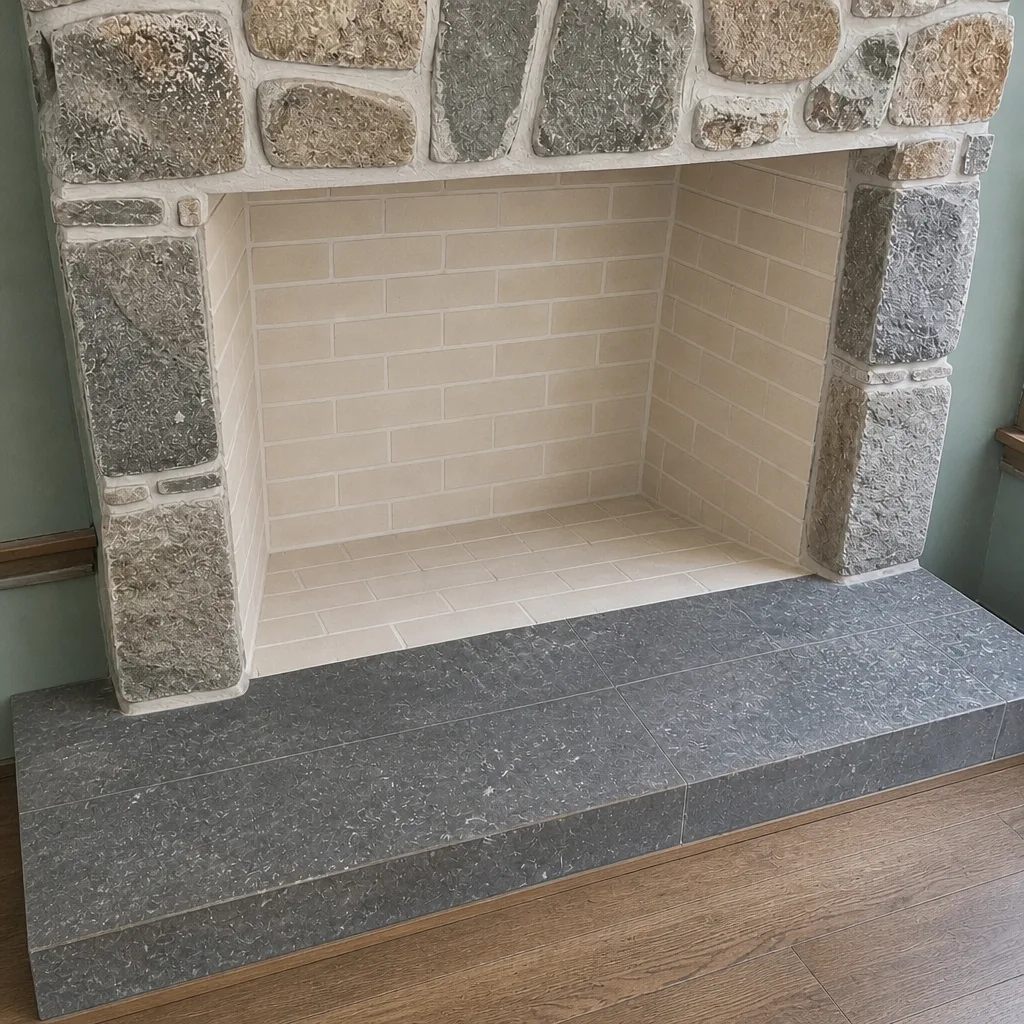
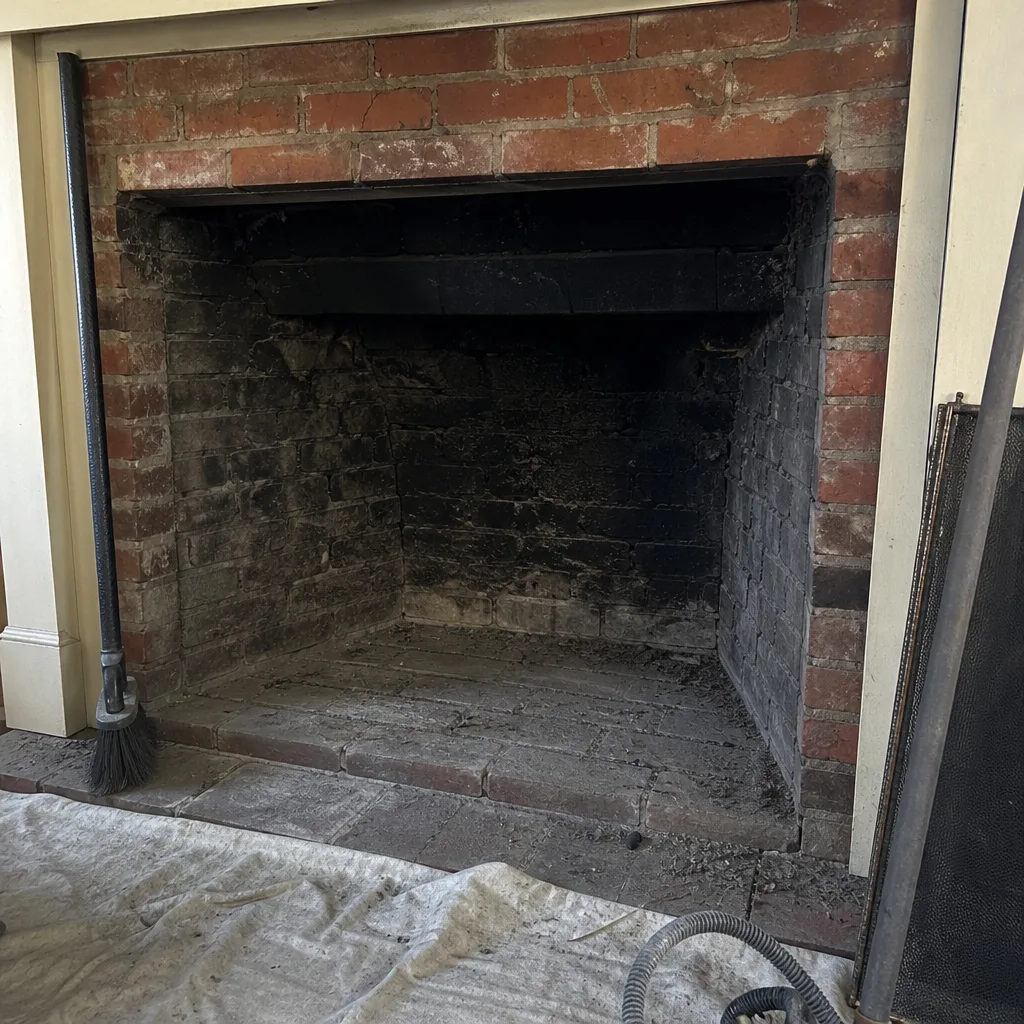
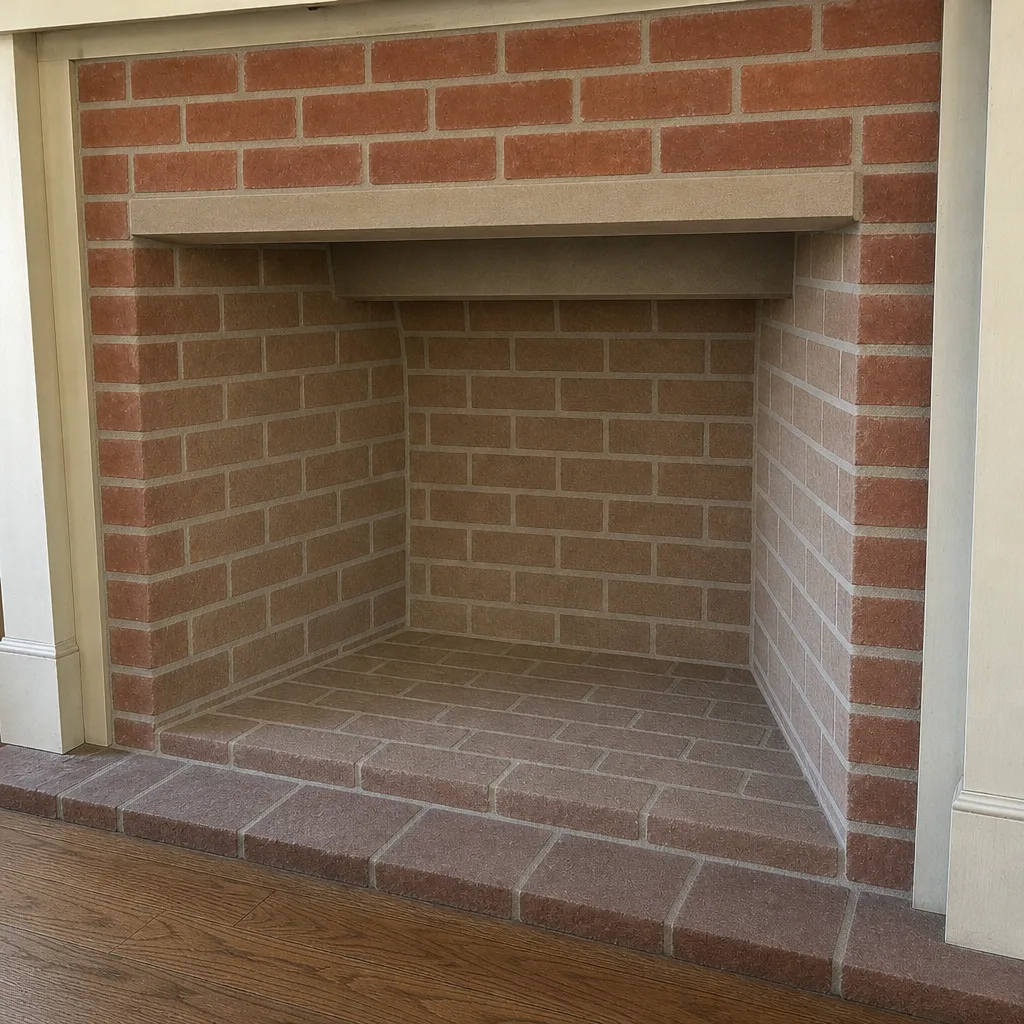
See the difference
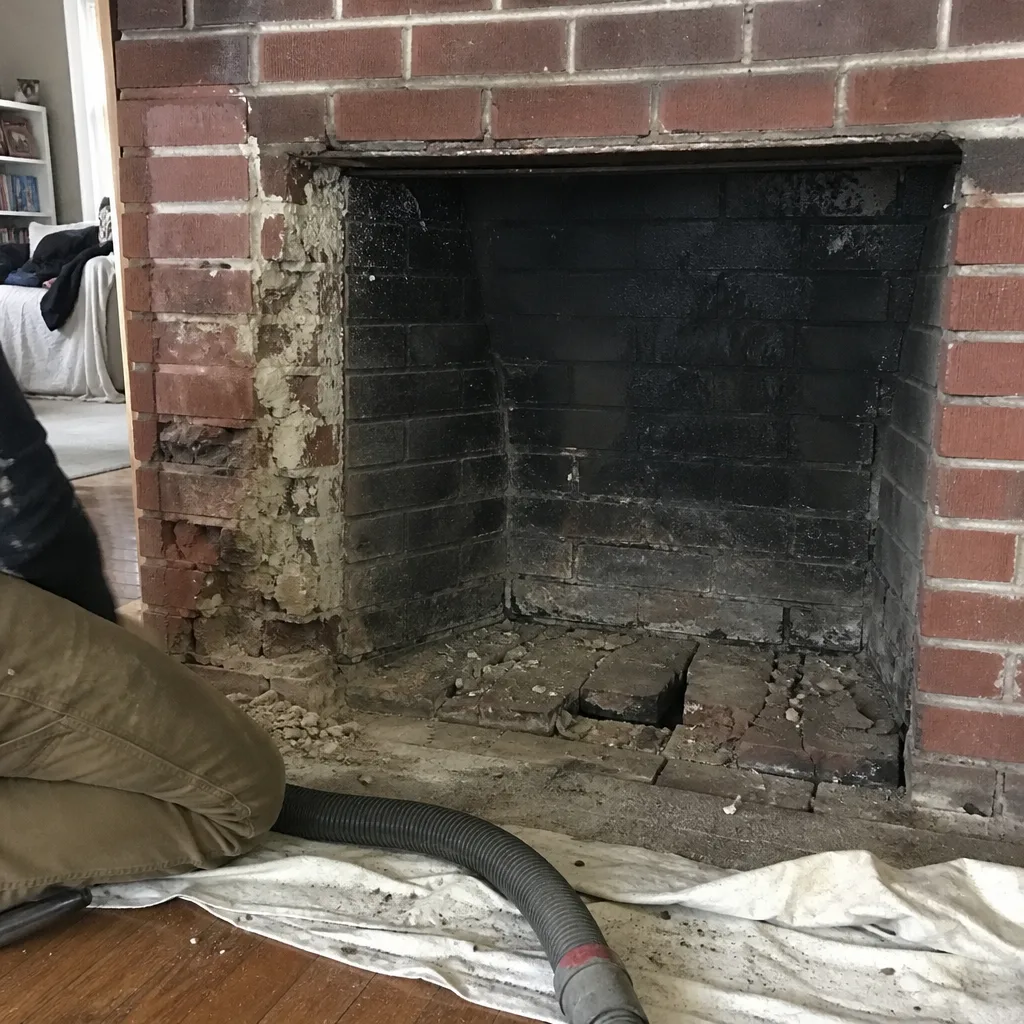 Before
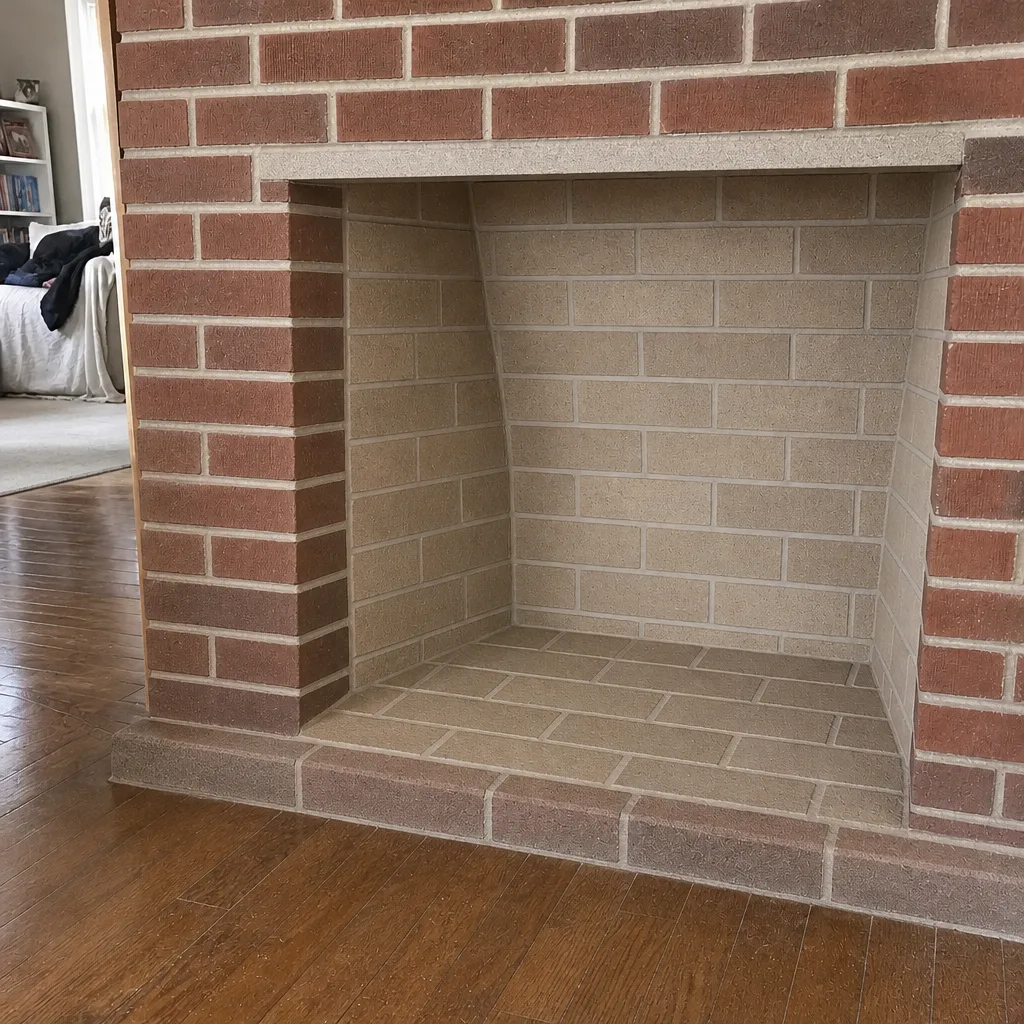 After
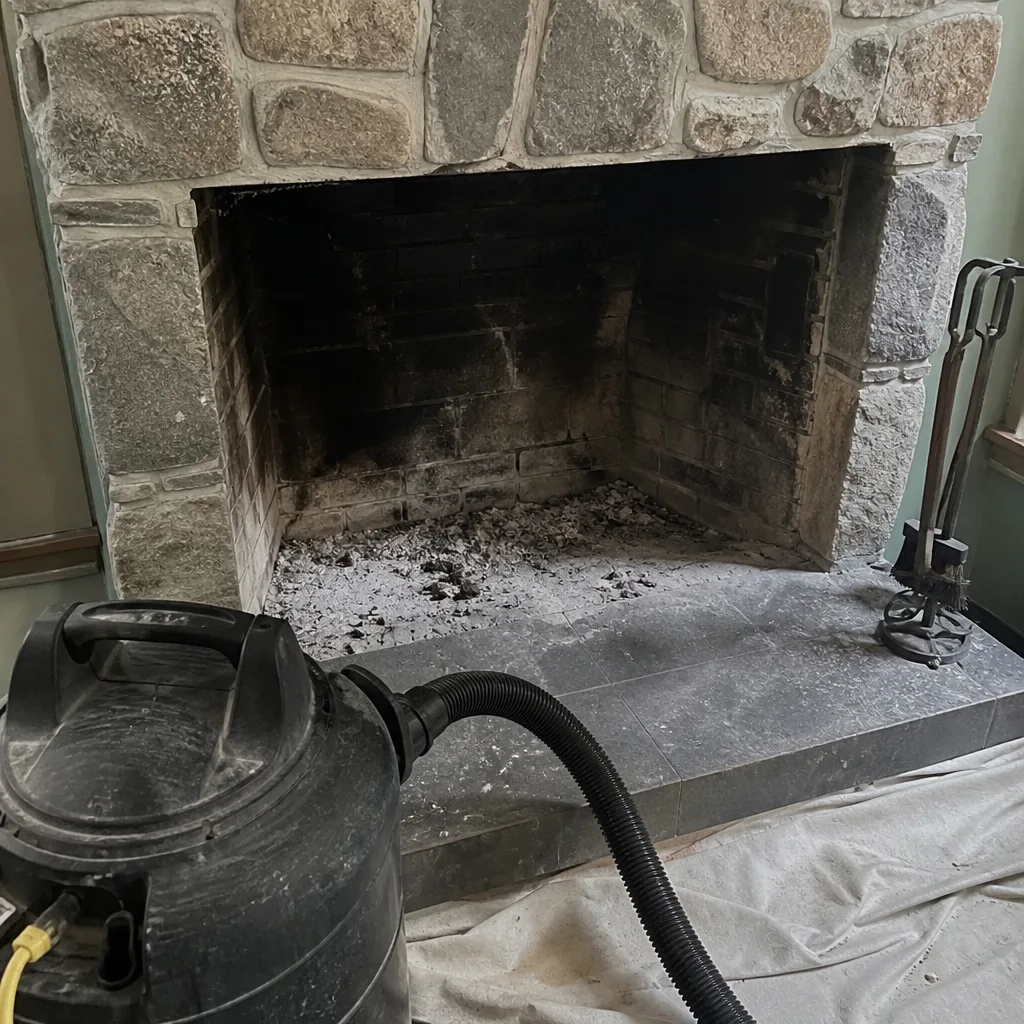 Before
 After
 Before
 After
When to Call a Professional
Call us when any of these is true: you’ve had a chimney fire, even a small one you think burned itself out; your CO alarm has ever gone off; you hear or smell an animal in the flue; smoke rolls back into the room when you light a fire; your flue has never been camera-inspected; or it’s been more than a year since your last sweep. Call us before the next heating season if you’re in an older Manchester home, and call us immediately after any fire department visit to your house involving the chimney.
Manchester Chimney Cleaning offers free estimates in Manchester. Call (888) 804-9712. We answer 24/7, and fast dispatch runs 7am to 7pm, Sunday through Friday. We identify the problem and fix it, from annual sweep to full liner restoration, so a post-emergency inspection doesn’t turn into a handoff to a second contractor.
Frequently Asked Questions
Get everyone out of the house and call 911 before you do anything else. Close the stove or glass doors from a safe distance if you can, then stay outside until the fire department confirms the fire is out. Don’t relight the appliance until a technician has inspected the flue.
You don’t, from inside the house. Only the fire department can confirm the fire has stopped, and only a chimney technician with a camera can confirm the flue is still structurally sound. The absence of smoke and sound doesn’t rule out a cracked liner or a hidden hot spot.
Headache, dizziness, nausea, shortness of breath, and drowsiness that improve when you leave the house are the classic signs. If more than one person has the same symptoms at the same time, treat it as a CO event and call 911. Get fresh air first, then have the flue and the connected appliances inspected.
No. Lighting an appliance with an animal or nest blocking the flue can push carbon monoxide and smoke back into your home and can trap the animal further. Call for a technician to clear and clean the flue, then get a properly fitted cap installed so it doesn’t happen again.
Yes. Even a short chimney fire can crack a clay tile liner or damage the flue in ways you can’t see from the firebox. A camera inspection is how that damage gets found, and its video is what an insurance claim is built on. Call (888) 804-9712 to book an inspection.
The fire department first, then a technician, then your insurer. The fire department confirms the emergency is over. The technician inspects the flue and produces a report with camera footage. The insurer needs both before the claim can move forward. Estimates are free.
The Bottom Line
A chimney emergency is decided in the first ten minutes, and the decisions are simple when you’ve rehearsed them: people out, 911 called, appliance off, photos taken, technician booked, insurer notified. The mistake almost everyone makes is assuming the chimney is safe because the fire is out or the alarm has stopped. In a Manchester home with older flues and a heating season that runs half the year, that assumption is the risk. Preparedness is one inspection before the season, one protocol memorized, and one call for the specialist who can both find the problem and fix it. Call (888) 804-9712 for a free estimate in Manchester.
Written by the team at Manchester Chimney Cleaning, serving Manchester since 2012.