
Last updated November 14, 2026
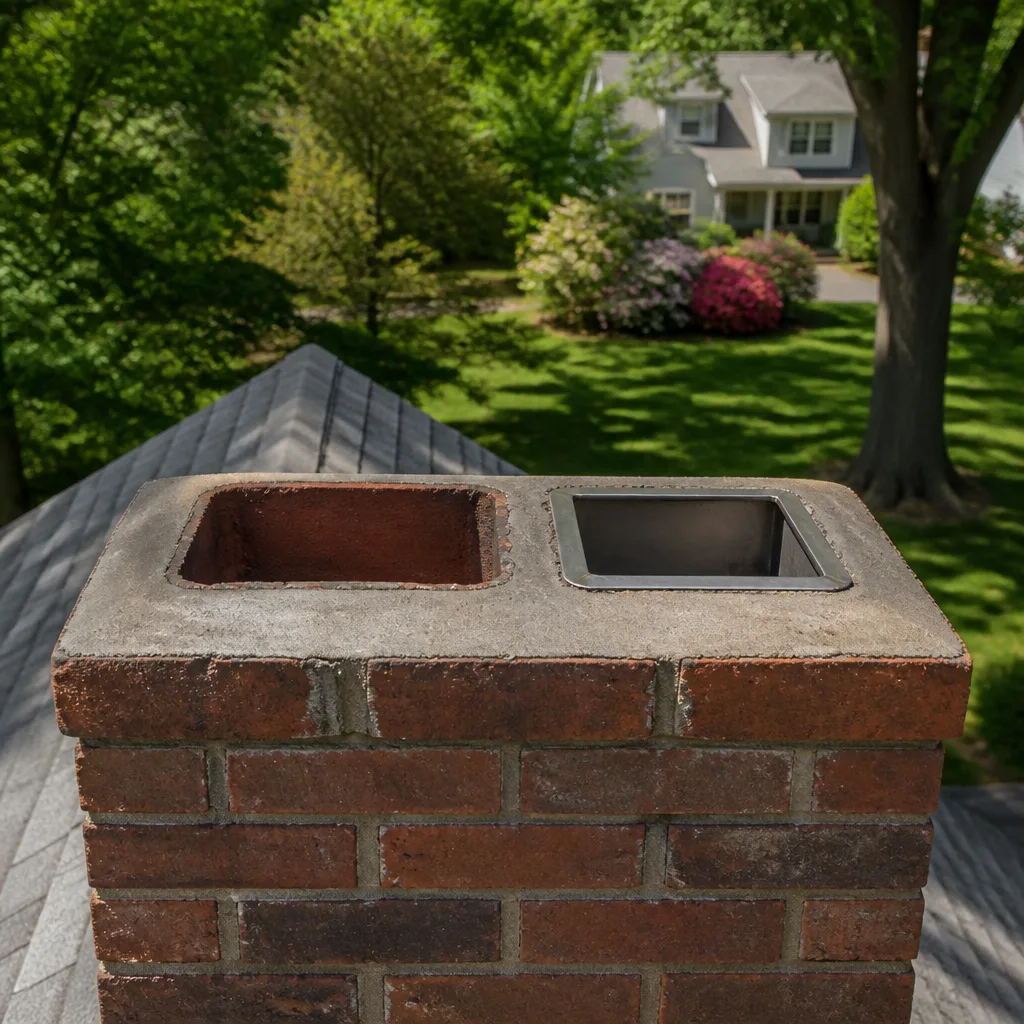 Sweep & inspection
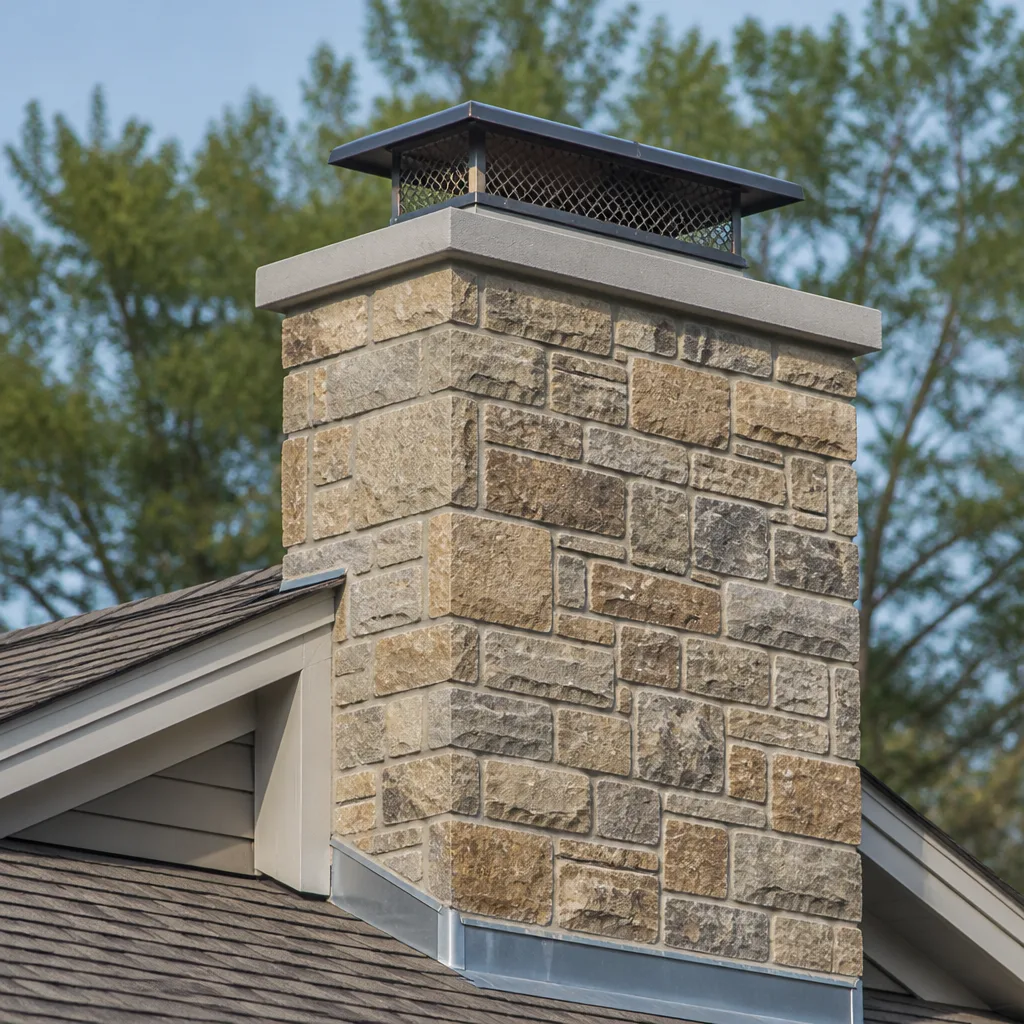 Caps & crowns
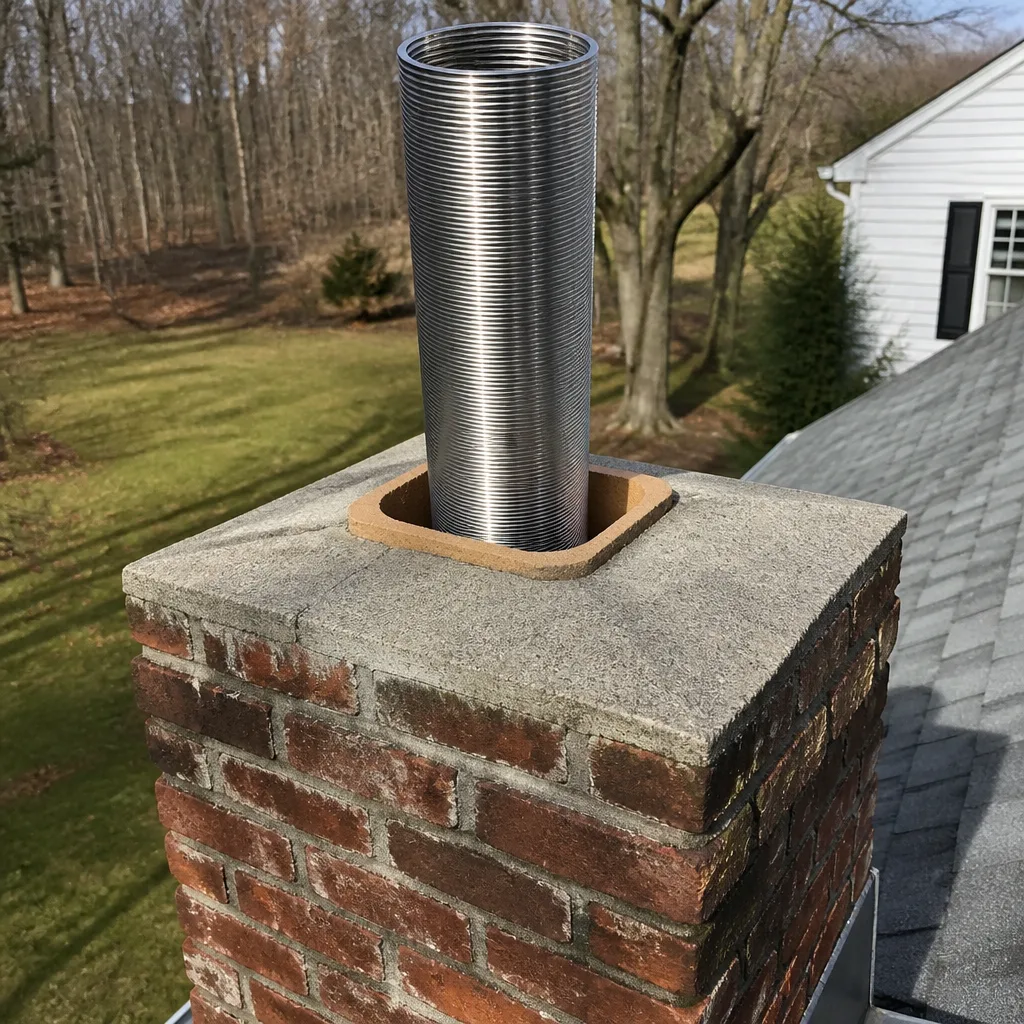 Flue relining
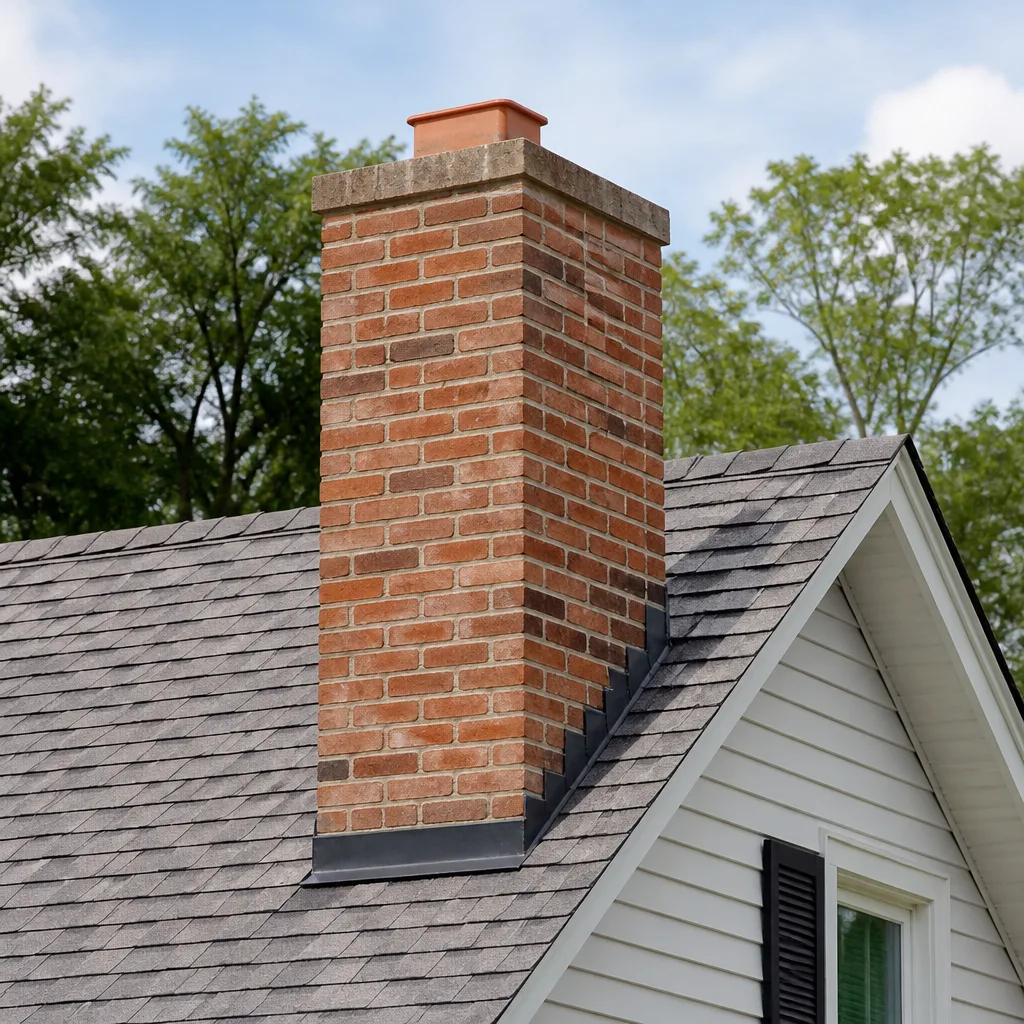 Masonry repair
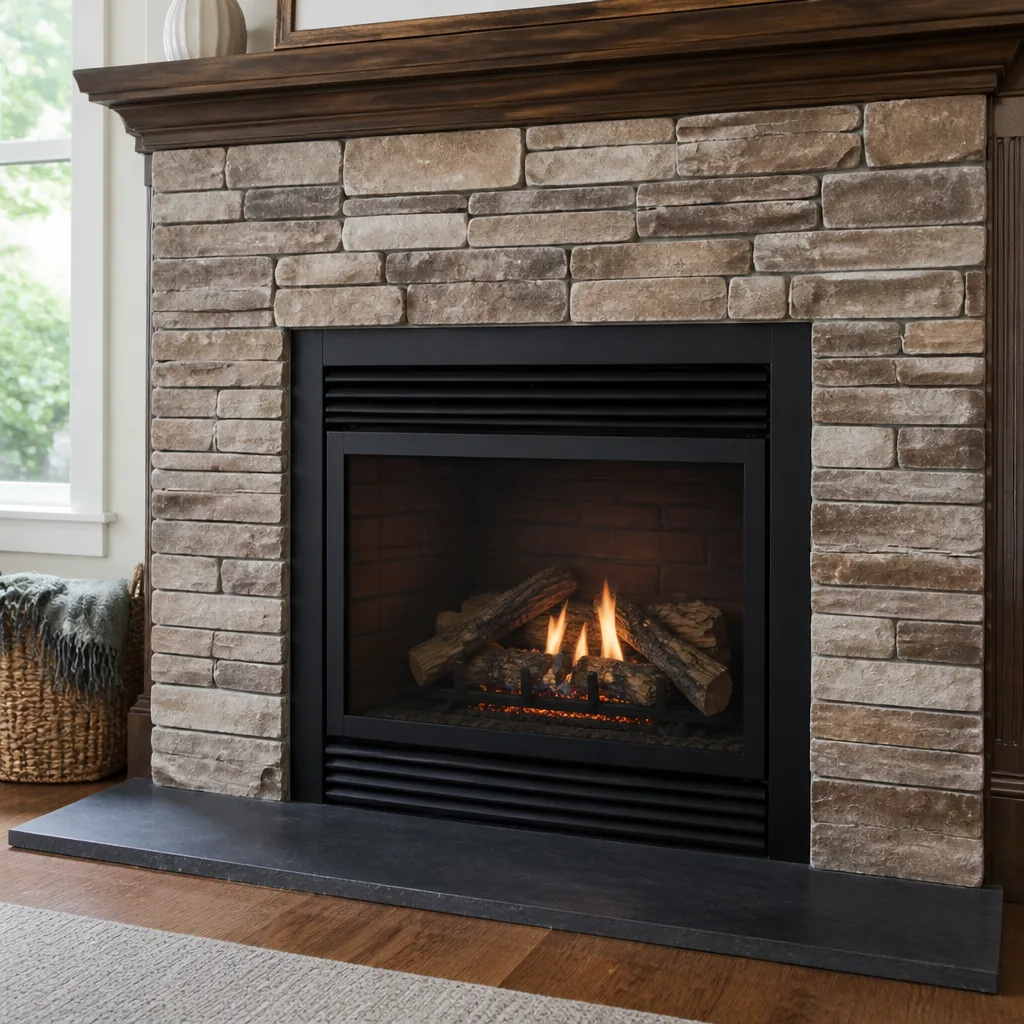 Gas fireplace service
Level 1 sweep and inspection to the NFPA 211 annual standard - flue, crown, cap, and flashing checked and photographed
Chimney sweep logs do not sweep chimneys. They loosen some creosote - which then falls where a brush and vacuum still have to collect it.
Chimney Cleaning Cost Breakdown: The Manchester Homeowner’s Reference for 2026
A $99 chimney cleaning quote and a $299 chimney cleaning quote are not the same service with a different price. They’re often different scopes entirely. One likely includes a camera inspection of the flue and a written report; one probably doesn’t. When you line up three estimates for chimney cleaning in Manchester, the numbers can spread by a factor of four or more, and the gap almost never comes down to how badly someone wants the job. It comes down to what’s inside the quote.
This guide breaks down each line item in a Manchester chimney cleaning estimate so you can compare quotes on equal terms. You’ll see what drives price here in the city, where repair costs separate from cleaning costs, and how to plan a multi-year budget for the chimney on your particular home.
Quick Answer
A standard chimney cleaning in Manchester typically runs about $150 to $350 for a single flue, and the price depends mostly on the degree of creosote buildup, the liner type, and whether a camera inspection and written report are included. A quote closer to $99 usually covers a brush-and-vacuum sweep only, with no diagnostic component. Repair work – repointing, crown repair, or liner replacement – is priced separately and can range from a few hundred dollars to several thousand depending on what the camera finds.
Styles & brands we work with
- Sweep & inspection
- Caps & crowns
- Flue relining
- Masonry repair
- Gas fireplace service
Table of Contents
- What a Standard Chimney Cleaning Actually Includes
- The Add-Ons Most Quotes Leave Out
- Manchester-Specific Factors That Move the Price
- Creosote Levels and Why They Change the Job
- Repair Costs: Repointing, Crown, and Liner Replacement
- Why the Cheapest Quote Is Usually Sweep-Only
- Building a Multi-Year Chimney Budget for a Manchester Home
- What to Expect During an Inspection
What a Standard Chimney Cleaning Actually Includes
A standard cleaning is priced per flue, not per chimney. A home with one fireplace and one flue gets one price; a home with a fireplace plus a wood stove on a separate flue gets quoted twice. That distinction alone explains some of the price spread between quotes on what sound like the same job.
Here’s what a competent sweep should cover as part of the base price:
- Drop cloths and floor protection around the hearth and work area before any equipment comes in.
- A brush and vacuum sweep of the flue, sized to the liner, run from the top down or bottom up depending on access.
- Firebox cleaning, including ash removal and a check of the damper operation.
- A visual check of accessible components: the firebox masonry, damper, smoke chamber, cap, and the exterior of the chimney where it meets the roof.
- Debris disposal, so you’re not left with a bag of soot to handle yourself.
What separates a thorough job from a quick one is the smoke chamber and the camera work. The smoke chamber – the tapered space above the damper and below the flue – collects creosote and is difficult to reach with a standard brush. It’s often quoted as a separate line item because cleaning it takes different tooling and more time. Camera inspection is the other dividing line: it’s the only way to see the condition of the flue interior from top to bottom, and a written report with photos is what lets you make a decision without taking anyone’s word for it.
When you book a chimney sweep with us, the camera inspection and photo report are part of the visit, not an upsell you find out about later. We work in Manchester homes with masonry chimneys, prefab units, wood stoves, and gas inserts, and the scope for each looks a little different. That’s why we’d rather walk you through what’s included before we book than surprise you with a line item afterward.
The Add-Ons Most Quotes Leave Out
The real comparison between two quotes happens in the line items that only one of them contains. A quote with four add-ons listed looks expensive next to a one-line price, until you understand that the one-line price may not tell you what’s going on inside your flue.
Common line items to look for, and what they’re for:
- Camera inspection and written report. A video scan of the flue interior, with stills you keep. In our experience this is the single most valuable part of a visit, because it’s the one piece of evidence that doesn’t depend on trust.
- Smoke chamber cleaning. The chamber above the damper is a creosote trap on masonry fireplaces. It’s a distinct task from sweeping the flue.
- Dryer vent cleaning. A separate flue with its own fire risk. Many homeowners with an active fireplace have never had their dryer vent cleaned, and we treat it as a companion service rather than a different appointment with a different company. You can read about that on the dryer vent cleaning page.
- Cap and screen inspection or replacement. An animal guard or rain cap that’s failed lets water and wildlife in. Small part, real consequence.
- Level 2 inspection for a real estate transaction. If you’re buying or selling a Manchester home, this is a more involved inspection than the maintenance visit.
Here’s the honest part: when a smaller scope is genuinely all your chimney needs, we say so. A newer prefab chimney that’s been swept on a regular schedule may not need anything beyond a basic cleaning. Not every visit turns into a scope expansion, and recommending work that the camera doesn’t support would be a bad way to run a business in a city where word travels.
Manchester-Specific Factors That Move the Price
Chimney pricing isn’t set by a national rate card. A few things about Manchester and its housing stock shift the numbers up or down, and knowing them helps you read a quote accurately.
Liner type
Clay tile liners are common in the older homes around the city, and they’re harder to clean well and more likely to be found damaged during an inspection. Stainless liners, by contrast, are smoother and easier to sweep. When a clay tile liner turns up cracked or missing joints, the fix is relining – which is a repair, not a cleaning cost. Liner type also decides what kind of liner we can install if replacement becomes necessary. DuraFlex flexible liners let us retrofit an older or irregular flue where a rigid liner won’t fit, and HeatShield restoration can sometimes repair a clay tile liner in place rather than replace it. That second option is often the difference between a moderate repair and a full reline, and it’s a capability not every sweep carries.
Chimney height and roof access
A taller chimney means more flue to sweep and more roof work. Manchester’s housing stock ranges from single-story ranches to two-and-a-half-story Victorians, and the height of the stack, the pitch of the roof, and the condition of the roof surface all affect how long the visit takes. A steep roof, or one with recent snow or ice, can mean more setup time.
Degree of creosote buildup
This is the biggest single variable inside the cleaning price, and it gets its own section below.
Number of flues and appliances
Two flues cost more than one. A wood stove on its own flue, a gas insert, and a fireplace sharing a chimney all make for different configurations. Gas inserts in particular need a technician who knows what to check on a vented gas appliance, not just a brush and a vacuum.
Access and condition of the firebox
A firebox with damaged brick or a damper that’s seized takes longer to work around than one in good condition. That’s not padding; it’s time and care.
Creosote Levels and Why They Change the Job
Creosote is the residue that forms when smoke cools as it travels up the flue. It’s the reason chimneys are swept, and its condition – not just its quantity – determines how hard the job is. Sweeps generally describe it in three stages:
- Class 1, soot and light flaky creosote. The easiest situation. A standard brush sweep and vacuum clears it. This is what regular annual cleaning keeps you at.
- Class 2, glazed or hardened creosote. A tarry, baked-on layer that a standard brush won’t always remove. It takes more time and sometimes different tooling, and it’s a sign the appliance has been running cool or the wood has been unseasoned.
- Class 3, heavy glazed creosote. This is the dangerous stage. Heavy, glassy creosote is the fuel for a chimney fire, and it can be stubborn enough that cleaning becomes a multi-step process. It also may accompany damage to the flue itself that a camera reveals once the buildup is cleared.
In a Manchester climate, creosote tends to build more in homes where the wood isn’t well seasoned or where the fireplace is used intermittently with cool fires. Long, low smoldering burns produce more of it than a hot, efficient fire. We can’t tell you which class you’re in over the phone, and anyone who claims otherwise is guessing. The inspection tells the story, and it’s the piece of information that should drive the price you’re quoted.
If a cleaning quote comes in far below the range you’d expect, ask what it assumes about creosote. A price quoted for Class 1 buildup isn’t a price for Class 2, and the person doing the work needs to see it first.
Repair Costs: Repointing, Crown, and Liner Replacement
Repairs are where chimney costs separate into different orders of magnitude, and where a homeowner most needs to understand what they’re being told. These are estimated ranges, and the written estimate after inspection is what sets the final price.
- Repointing. Replacing deteriorated mortar joints in the brickwork above the roof line. A moderate repair, usually in the hundreds of dollars for a localized area, more if the work is extensive. Catching it early keeps it in the hundreds rather than letting it turn into a rebuild.
- Crown repair. The crown is the concrete cap at the top of the chimney that sheds water. A cracked crown lets water into the masonry and eventually into the house. Repair or replacement is a modest project on its own.
- Flashing repair. The metal that seals the chimney to the roof. Water staining on the ceiling below the chimney often traces to flashing rather than the flue, and it’s usually the least expensive of the repairs listed here.
- Liner restoration or replacement. The big one. A full reline runs into the thousands for many homes. HeatShield restoration, where the condition is right for it, can restore a clay tile liner at a lower cost than a full replacement. We carry HeatShield and Olympia Chimney products, so we can assess which path fits the flue we see rather than defaulting to the most expensive option.
What drives the variation in repair pricing is access, materials, and extent. Repointing ten feet up on a steep roof costs what it costs because of the labor and safety setup. A reline is priced by flue length and liner type. And a repair that looked obvious from the ground can look different once the camera is in the flue, so nobody should quote you a liner replacement based on a phone call.
Why the Cheapest Quote Is Usually Sweep-Only
The lowest quote on the table is almost always the smallest scope. A sweep-only visit by a crew without diagnostic equipment can be priced lower because it involves less time, less tooling, and less responsibility for what the visit uncovers. That’s not automatically a bad thing. A well-maintained chimney that’s swept on a regular schedule may only need a basic cleaning.
Where it costs you is when a problem is missed. A cracked flue tile, a failed crown, or a heavy glazed creosote layer doesn’t announce itself through the living room. It gets found by a camera. If the crew doing your cleaning doesn’t run one, the problem waits until it shows up as water damage, a performance problem, or worse. Then the labor and materials are compounded by the delay.
We’re not arguing that every visit needs to be the most expensive option. We’re arguing that you should know what’s inside the quote. Ask these questions of anyone you hire:
- Do you run a camera inside the flue, and do I get a photo report?
- Is smoke chamber cleaning included, and if not, why not?
- What creosote level did you actually find, and how do you price each level?
- What happens if you find damage – who does the repair, and is it a separate company?
- Is the dryer vent part of this visit or a separate appointment?
That last question matters more than most homeowners expect. Your chimney flue and your dryer vent are the two areas in a home most associated with household fire risk from venting, and they often go a decade or more between cleanings. Handling both in one service relationship beats scheduling two contractors. It’s also why we keep Famco dryer vent products on hand rather than improvising with general-purpose materials.
Building a Multi-Year Chimney Budget for a Manchester Home
A chimney is a system with a lifespan, and pricing is easier to plan for when you think in years instead of in single visits. Here’s a practical way to build that budget for a Manchester home, and what to expect at each stage.
- Year zero: get a real baseline. If you’ve never had the flue inspected, start there. The camera report tells you the liner type, the condition, and whether any repair is urgent, can wait a season, or can wait several. You cannot budget for a chimney you haven’t looked inside.
- Annual cleaning. Budget for a cleaning each year you burn regularly. An active fireplace or wood stove should be swept on an annual schedule; a wood stove used heavily through the winter may need more attention. Gas inserts need less frequent cleaning but still need the appliance checked.
- Every few years: exterior review. Brick and mortar move with the seasons. Repointing and crown repair are the kind of work that’s reasonable to anticipate once a chimney gets older, and catching mortar deterioration early keeps the repair in the lower price band. Manchester’s freeze and thaw pattern is hard on masonry, and it’s the reason we look at the above-roof brickwork on every visit.
- Clay tile liner lifespan. Older clay tile liners have a finite window. Ask the inspector for an honest read on yours: if the tiles are sound, plan for future relining rather than budgeting for it today. If the camera shows a cracked tile or open joints, the timeline moves up. HeatShield restoration can extend the life of a clay tile liner in the right conditions, and knowing that option exists changes the arithmetic.
- Keep the dryer vent on the calendar too. It’s the same relationship and the same call, so budget for it alongside the chimney rather than treating it as a forgotten appliance.
If you want to know what a baseline inspection and cleaning would cost for your home specifically, call (888) 804-9712. The estimate is free, and you’ll get a written scope rather than a number over the phone that doesn’t reflect what’s actually in your flue.
What to Expect During an Inspection
An inspection is a conversation with evidence attached. A few things to expect when we visit a Manchester home, so the process isn’t a mystery.
- We start with the appliance and the firebox. What you burn, how often, and how the damper and firebox look tell us a lot before any equipment goes in.
- Then the flue. A camera scan runs the full interior, and we save photos of anything that matters.
- Then the outside. The cap, crown, flashing, and brickwork above the roof line are checked, since water is the most common thing that damages a chimney.
- Then we talk. You’ll see the photos, and we’ll tell you plainly which findings can safely wait and which shouldn’t. Nothing is recommended without a photo you can look at yourself, and we’ll tell you when a problem can wait a season.
If you’re in the city and want a reliable read on your chimney, the Manchester service page covers the full picture of how we work here. We’ve served Manchester since 2012, and the reason we lead with evidence is simple: the homeowner’s real hesitation is being told they need thousands of dollars of work they can’t verify. We’d rather show you the picture.
Common Mistakes to Avoid
- Comparing quotes without comparing scope. A $99 quote and a $299 quote may be different products. Ask what’s inside each one – camera, smoke chamber, report – before you decide which is cheaper.
- Skipping the camera inspection to save the line item. The savings only hold until a missed problem shows up. The inspection is the one part of the visit that protects you from that.
- Waiting until the fireplace smells or draws badly. By then, the problem has had a season to develop. Annual cleaning catches things earlier and cheaper.
- Assuming clay tile liner condition from the outside of the chimney. The exterior can look fine while the flue interior is cracked. Only the camera knows.
- Forgetting the dryer vent. It’s a second venting flue in the home and it’s easy to overlook. Treat it as part of the same annual routine rather than a someday project.
- Paying a handoff company for a diagnosis they can’t complete. A sweep-only crew may find a problem and then leave you to find a repair contractor. Ask whether the same company finishes the job.
- Taking a phone quote as final. Creosote level and liner condition can’t be assessed over the phone. Any quote given without an inspection is an estimate of an assumption, not of your chimney.
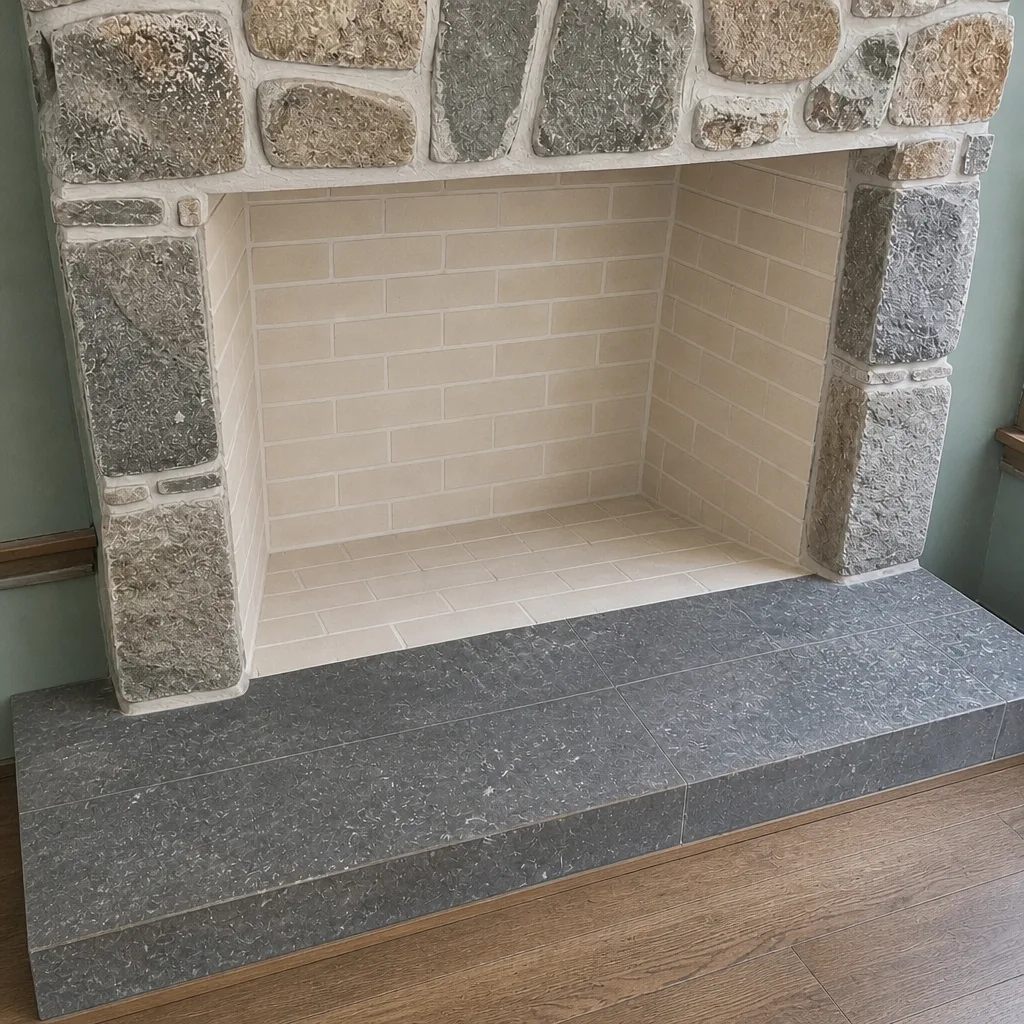
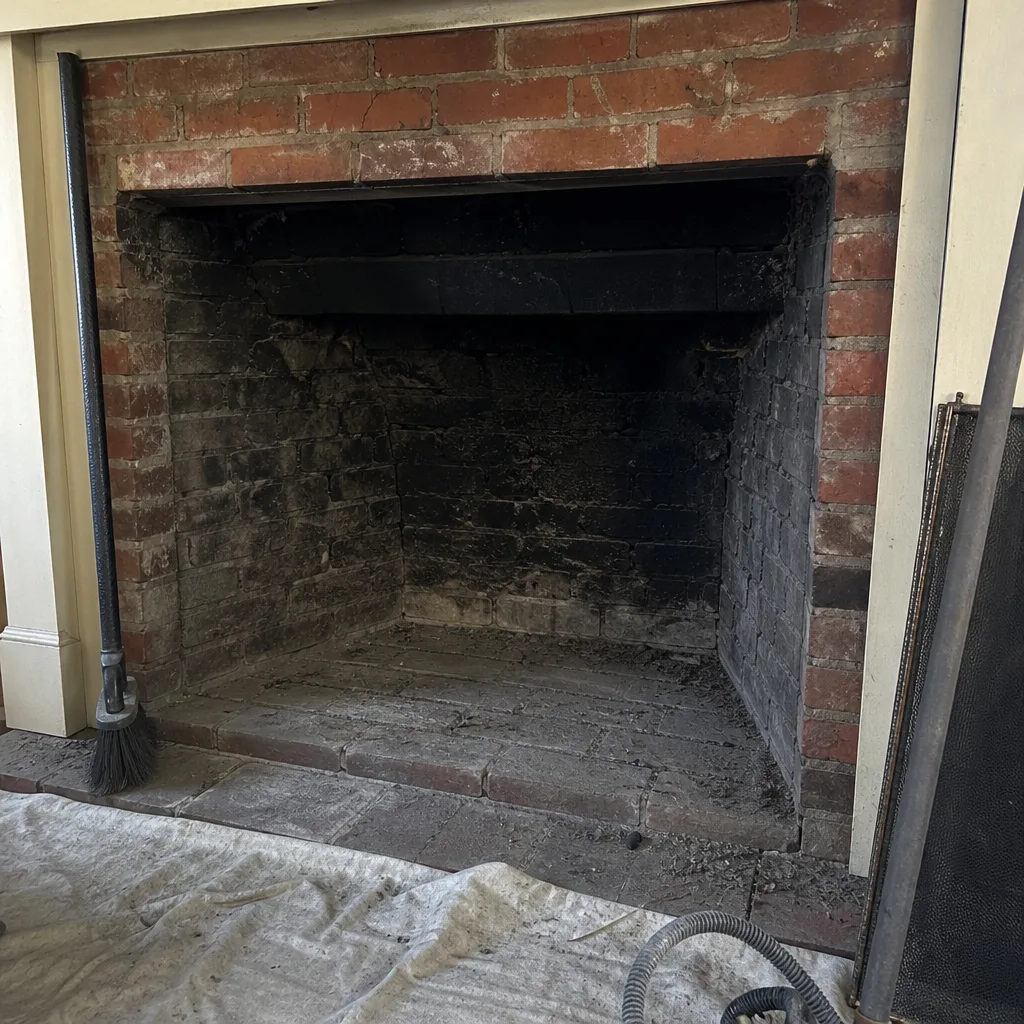
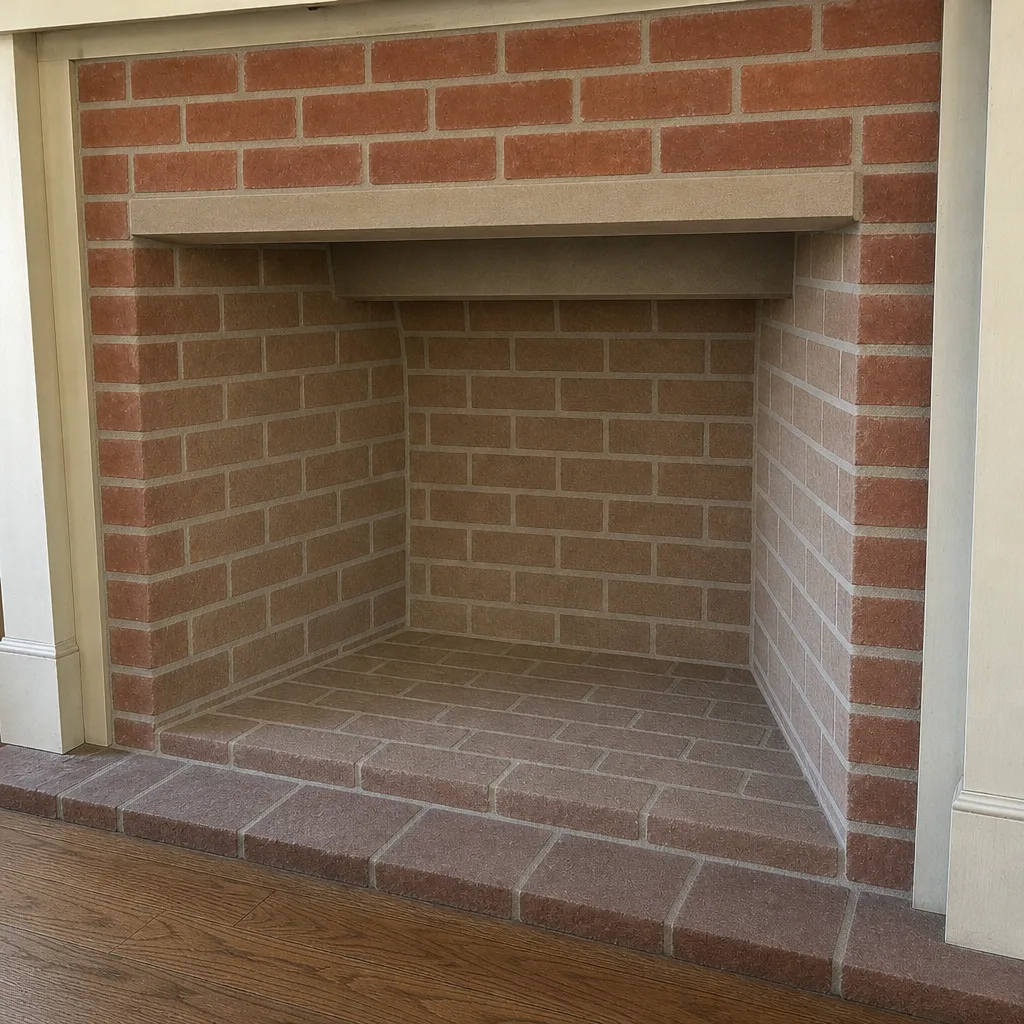
See the difference
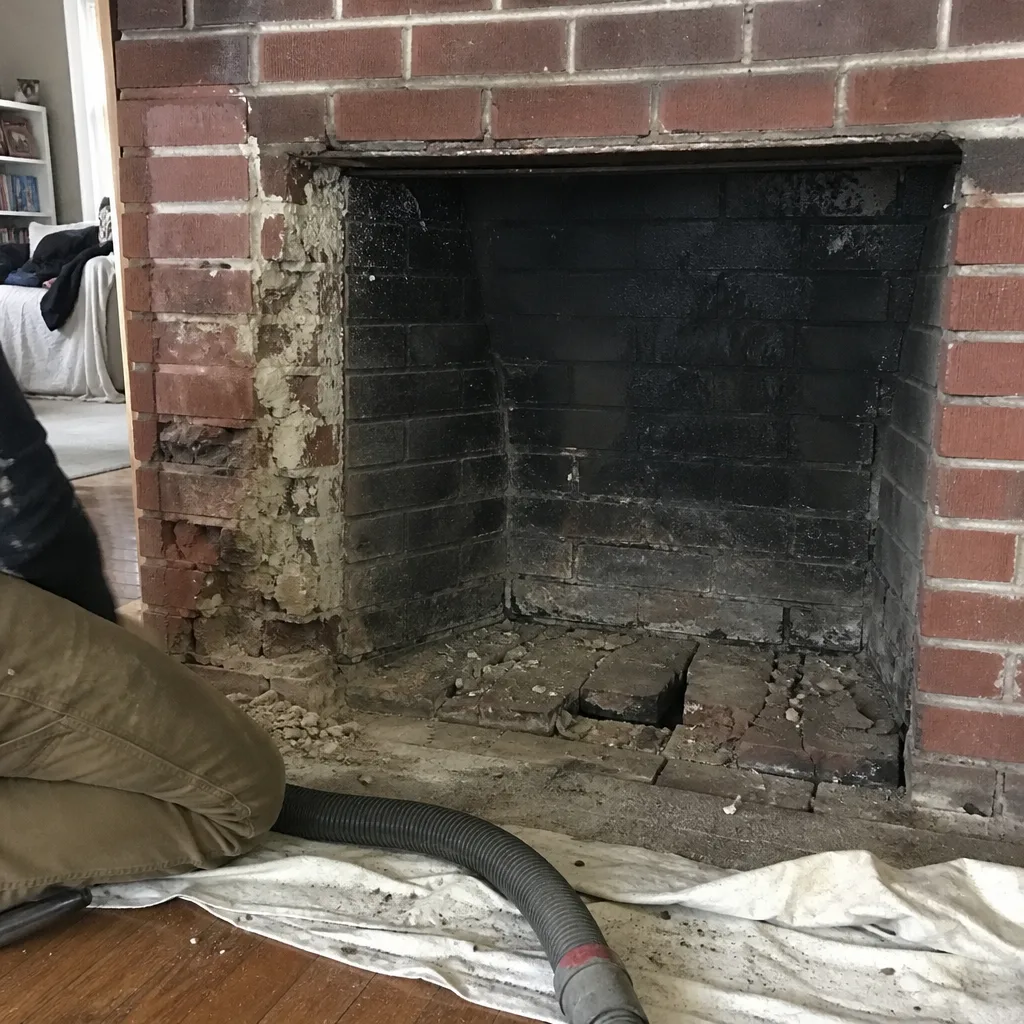 Before
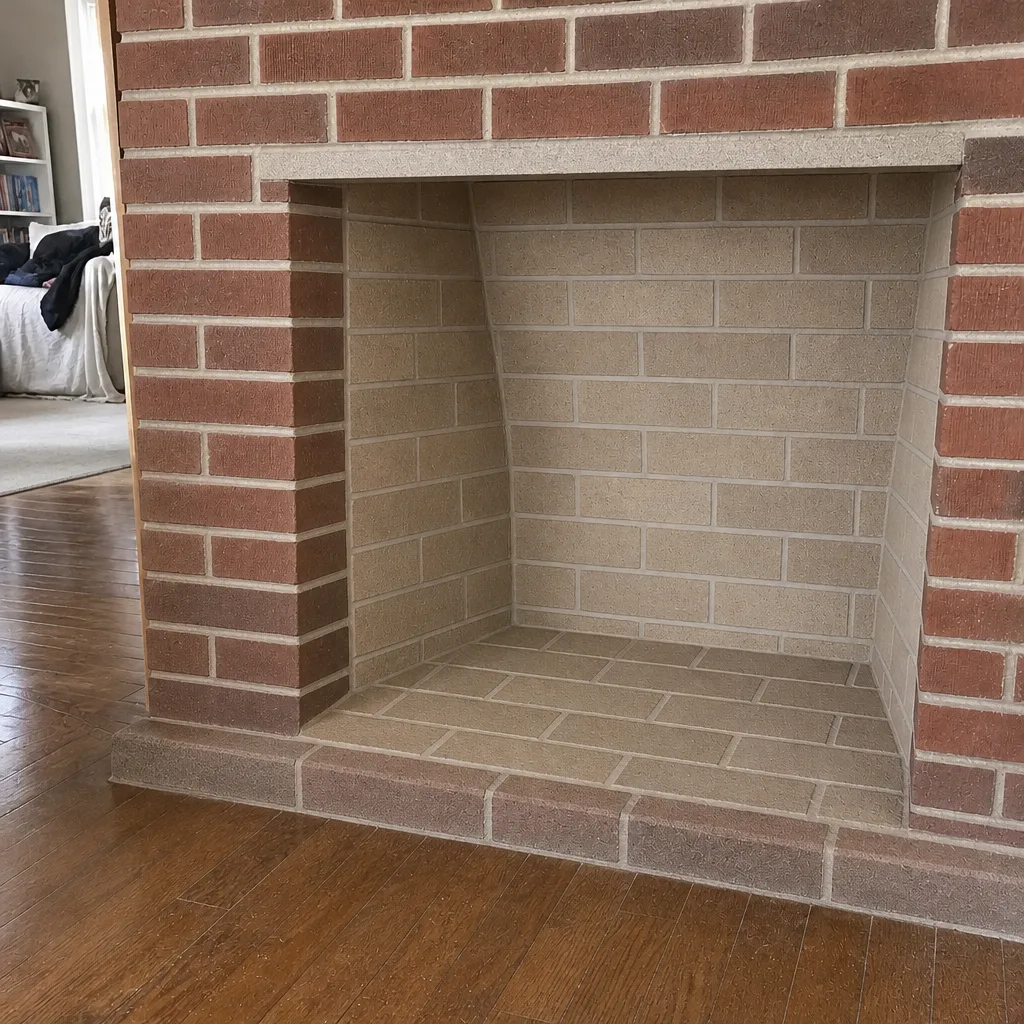 After
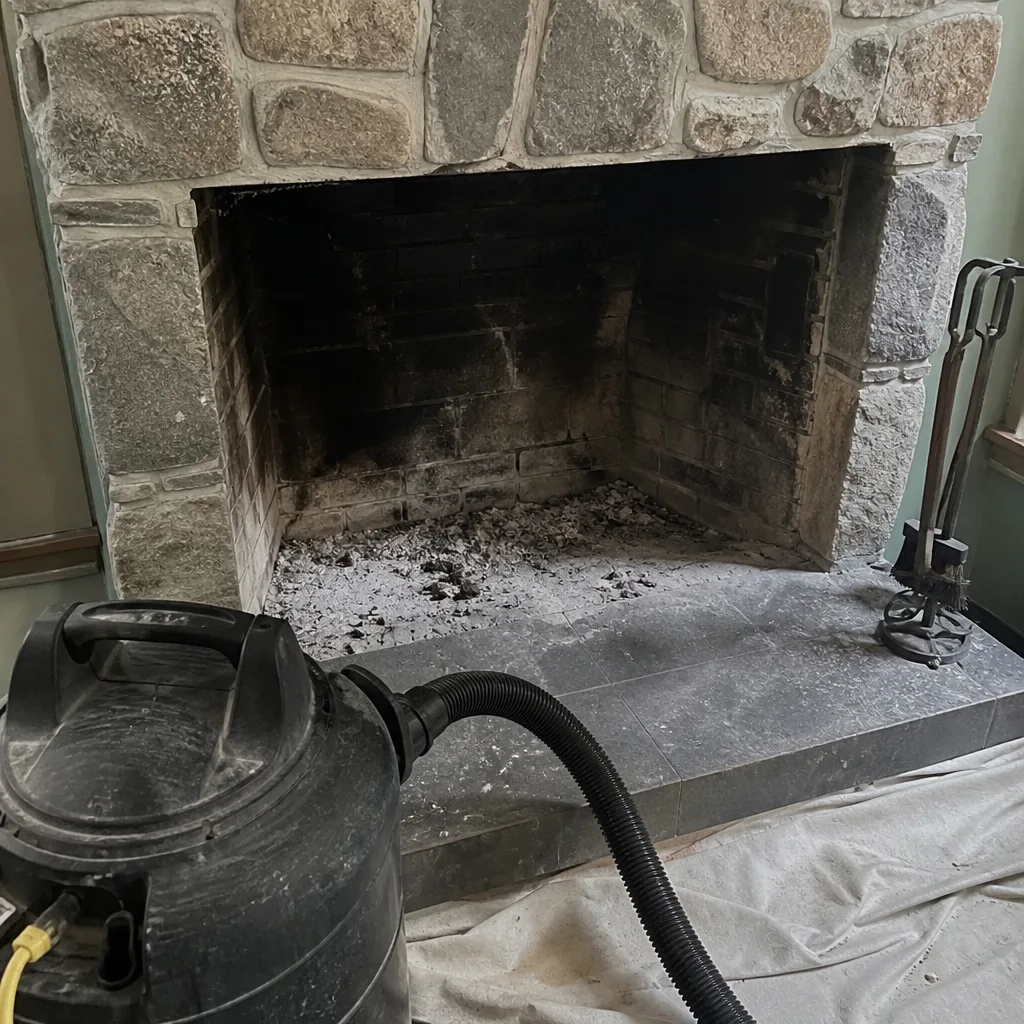 Before
 After
 Before
 After
When to Call a Professional
Some situations should prompt a call rather than a wait. If you’ve moved into a home with a fireplace you’ve never had inspected, that’s the first one. If it’s been more than a year since a cleaning and you’ve burned regularly, that’s another. If you notice a chimney smell in warm weather, sluggish draft, water staining on the ceiling below the chimney, or creosote visible in the firebox, those are all reasons to have someone look. A wood stove that’s started smoking into the room, a damaged cap, or visible masonry deterioration above the roofline also warrant a visit. Manchester Chimney Cleaning offers free estimates in Manchester – call (888) 804-9712. We answer 24/7, and fast dispatch runs from 7am to 7pm, Sunday through Friday.
Frequently Asked Questions
A standard chimney cleaning in Manchester typically runs about $150 to $350 for a single flue, depending on creosote level, liner type, chimney height, and whether a camera inspection and written report are included. Two flues are quoted separately. Call (888) 804-9712 for an exact quote – estimates are free.
You need one whenever the condition of the flue is unknown or it’s been more than a year since the last look. A camera inspection is the only way to see inside the flue and verify what a sweep reports. It’s why it’s part of every visit we make rather than an optional add-on. Call (888) 804-9712 to book an inspection and cleaning together.
Once a year is the general rule for a home with an active fireplace or wood stove. Heavy winter use or a stove burning cool fires may call for more frequent attention, and a gas appliance needs checking even though it produces far less creosote. Call (888) 804-9712 and we’ll help you set a schedule based on how you actually burn.
Sometimes, yes – when the clay tile liner’s condition is right for restoration, HeatShield can repair it at a lower cost than a full reline. The camera inspection determines whether restoration is an option or whether replacement with a DuraFlex or Olympia Chimney liner is the better path. Call (888) 804-9712 and we’ll assess it honestly.
Creosote builds up, and heavy glazed creosote is what fuels chimney fires. A missed crack or failed crown also means water works its way into the masonry. Skipping a season doesn’t cause damage every time, but it removes the early warning that makes the cheap fix possible. Call (888) 804-9712 to get back on schedule.
Yes. We clean and repair dryer vents as part of the same service relationship, using Famco dryer vent products rather than improvised materials. It’s one crew and one call rather than two contractors. Call (888) 804-9712 to add your dryer vent to the visit.
Not an exact one, no – creosote level and liner condition can only be assessed in person. What you can get is a written estimate after the inspection, and the estimate is free. Call (888) 804-9712 to schedule it.
The Bottom Line
The spread in chimney cleaning quotes in Manchester comes down to scope, not salesmanship. Camera inspection, smoke chamber cleaning, written reports, and multi-flue pricing are the pieces that separate one quote from another, and the sweep-only price is only a bargain when the chimney genuinely doesn’t need more. Repairs are a separate order of magnitude, and repointing, crown work, and relining are priced very differently from each other. Get a camera report before you agree to any repair, ask what a problem can safely wait, and build a multi-year budget around an annual cleaning. One crew that identifies the problem and fixes it, with professional-grade materials like DuraFlex, HeatShield, Gelco, and Olympia Chimney on hand, saves you the handoff to a second contractor.
Call Manchester Chimney Cleaning at (888) 804-9712 for a free estimate. We answer 24/7. Fast dispatch from 7am to 7pm, Sunday through Friday.
Written by the team at Manchester Chimney Cleaning, serving Manchester since 2012.