
Last updated November 14, 2026
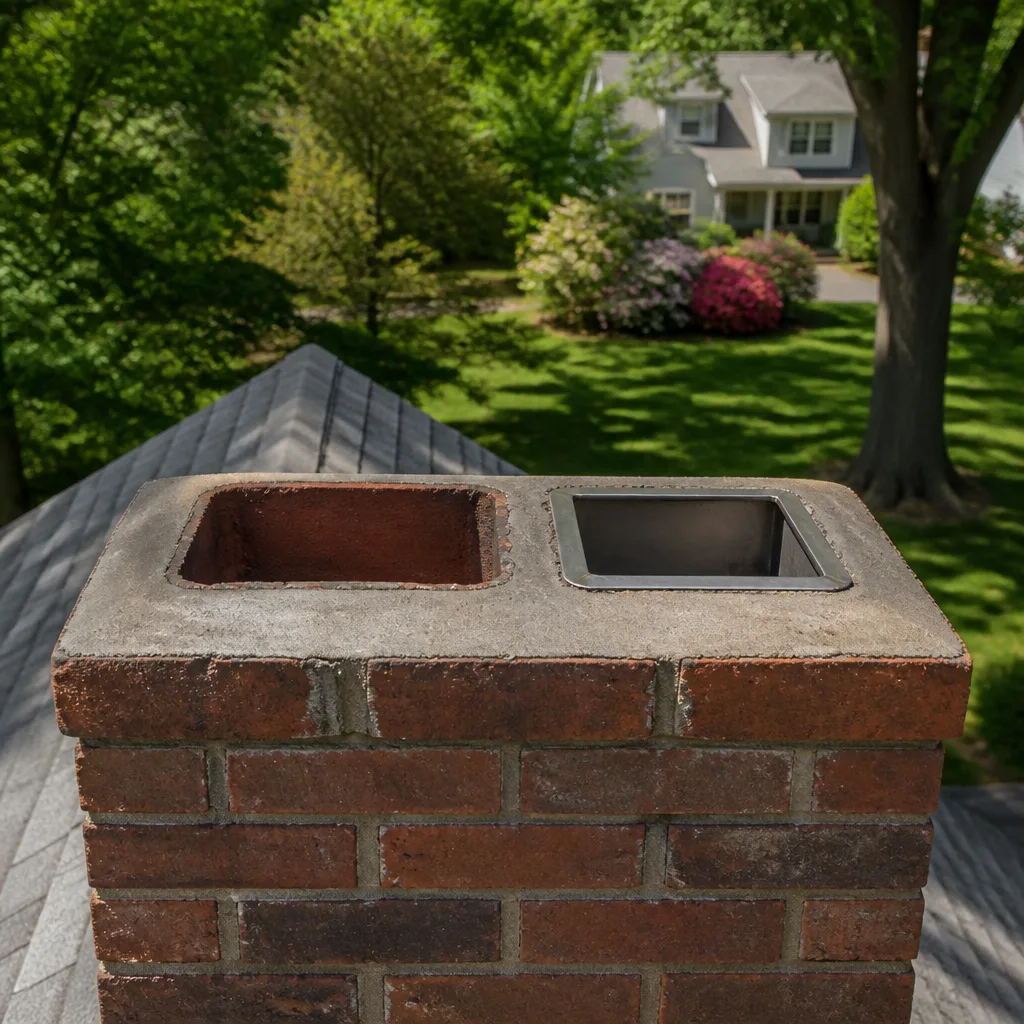 Sweep & inspection
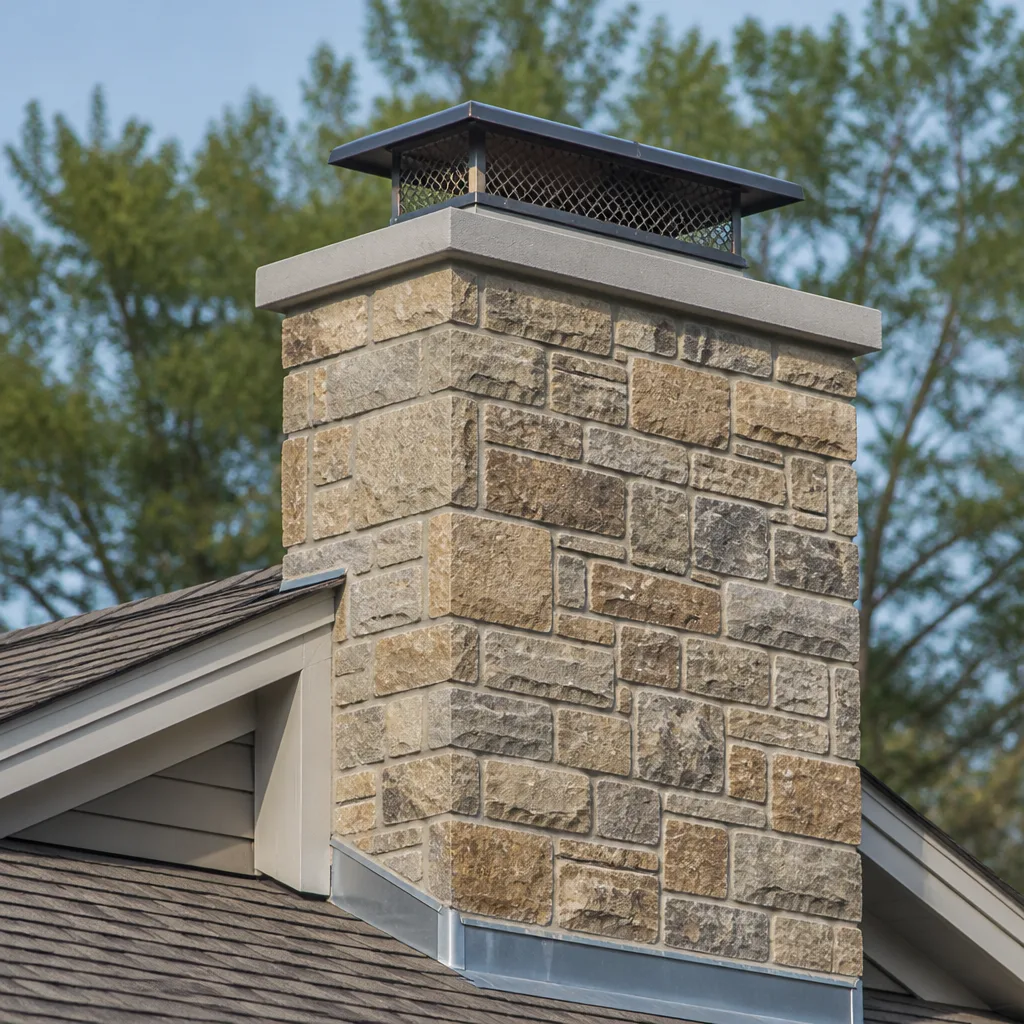 Caps & crowns
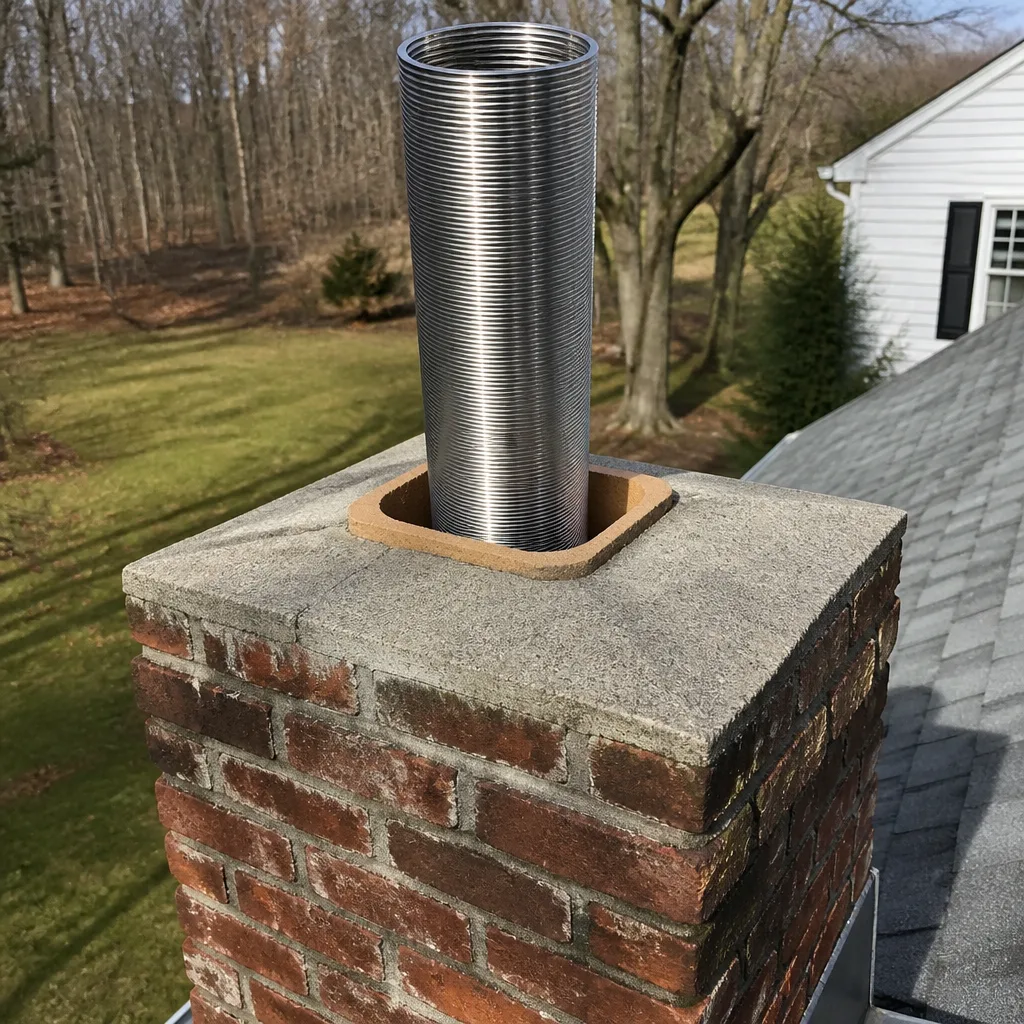 Flue relining
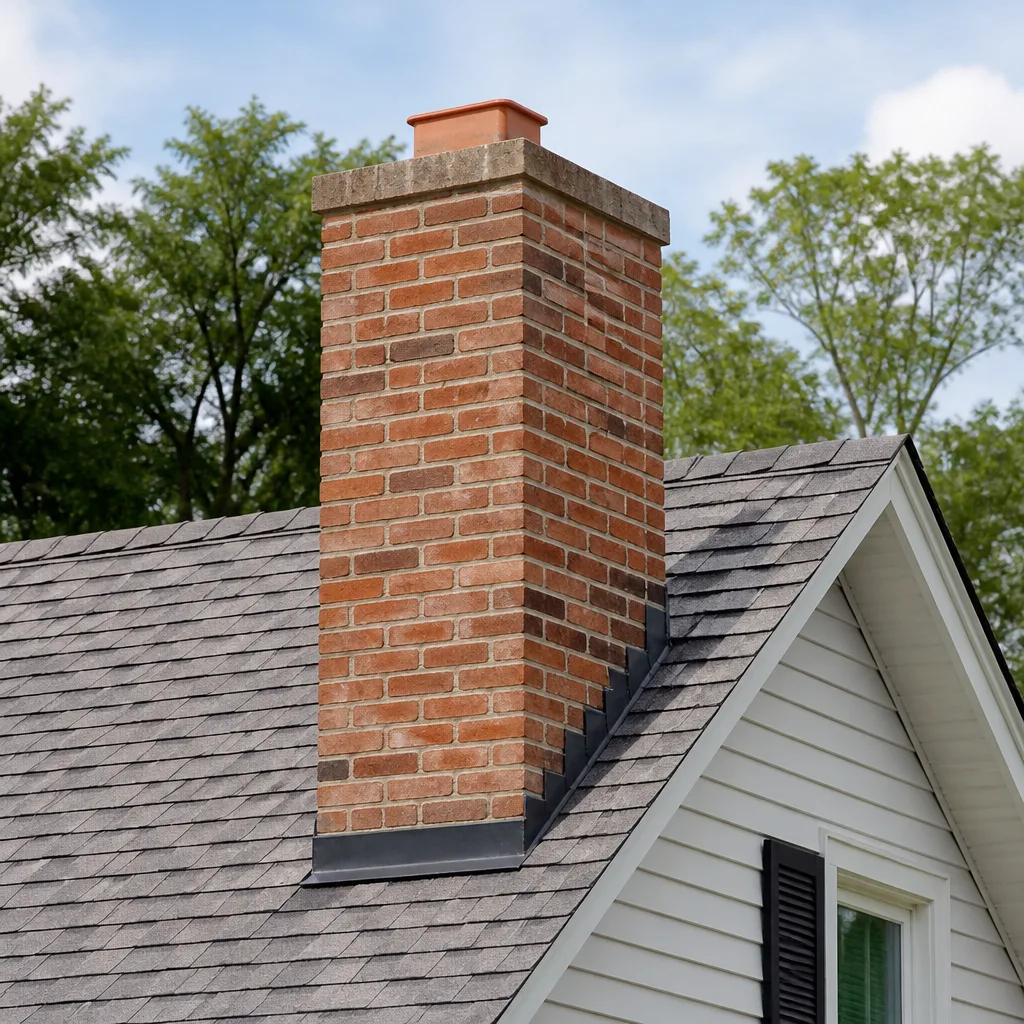 Masonry repair
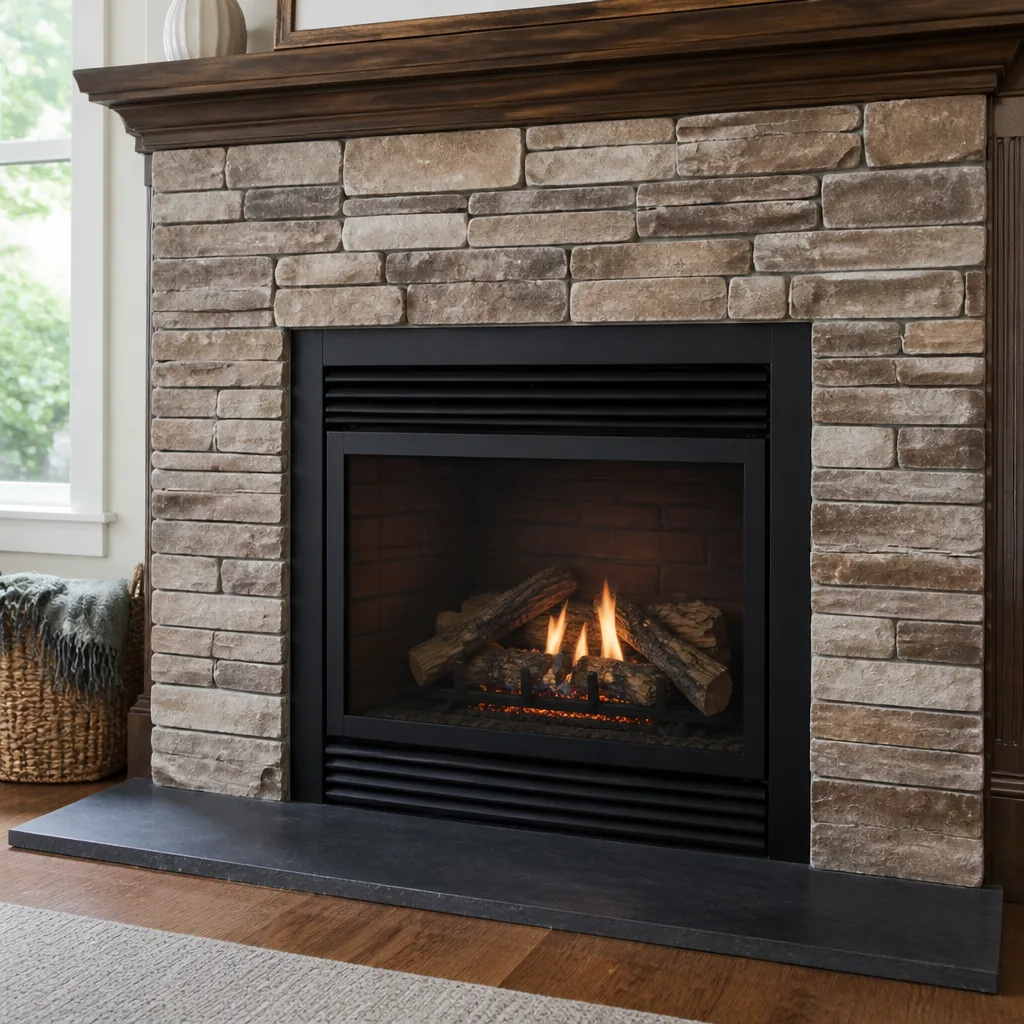 Gas fireplace service
Level 1 sweep and inspection to the NFPA 211 annual standard - flue, crown, cap, and flashing checked and photographed
Chimney sweep logs do not sweep chimneys. They loosen some creosote - which then falls where a brush and vacuum still have to collect it.
Chimney Sweep Troubleshooting in Manchester: Common Problems and How to Fix Them
A smoky living room doesn’t always mean a dirty flue. Sometimes it’s a pressure problem. Sometimes the cap is blocked. And sometimes the fireplace was built with an opening ratio that never drew well in the first place. Homeowners reach for a sweep when the real culprit is airflow, and they pay for a cleaning that doesn’t change a thing. That’s the trap this guide is built to keep you out of. Below, you’ll learn to read the symptoms your chimney gives you – smoke behavior, smell timing, residue color – the way a technician reads them, so you can describe the problem accurately and get the right fix instead of a guess. We’ll walk through the issues that come up most in Manchester, what you can safely check yourself, and when it’s time to call.
Quick Answer
Most chimney problems in Manchester trace back to one of five causes: draft failure, creosote buildup, freeze-thaw damage to the masonry, animal nesting or cap blockage, or negative air pressure in a tightly built home. Each one leaves different clues. Smoke that rolls back into the room on light-up points to draft. A smell that shows up only on humid days often points to residue or moisture in the flue. Crumbling mortar at the crown suggests freeze-thaw cycling. Matching the symptom to the cause before you book a visit is the fastest way to avoid paying for the wrong service.
Styles & brands we work with
- Sweep & inspection
- Caps & crowns
- Flue relining
- Masonry repair
- Gas fireplace service
Table of Contents
- Reading Your Chimney’s Symptoms
- The Five Most Common Chimney Problems in Manchester
- Draft Failure vs. Creosote Buildup vs. Structural Damage
- What You Can Check Safely vs. What Needs a Pro
- How to Describe the Problem So You Get an Accurate Estimate
- When Troubleshooting Leads to Relining or Liner Restoration
- Common Mistakes to Avoid
- When to Call a Professional
Reading Your Chimney’s Symptoms
Your chimney tells you what’s wrong before anyone climbs a ladder. The trick is knowing which signal maps to which cause. A technician starts with three observations: when the smoke misbehaves, when the smell appears, and what color the residue is. You can make those same observations from the living room.
Smoke behavior. Smoke that spills into the room at light-up and then settles is usually a cold-flue or pressure issue. Smoke that spills continuously, even once the fire is hot, points to a blockage or a flue that’s undersized for the firebox opening. Smoke that drifts back only on windy days suggests a cap or termination problem.
Smell timing. A creosote smell that shows up in warm, humid weather is different from a smell that appears only when the fire is burning. The first often means residue in the flue is releasing odor as humidity rises. The second can mean poor draft pulling combustion gases back into the room. Musty, earthy smells after rain point toward water getting in at the crown or flashing.
Residue color. Light, sooty black is normal. Shiny, glazed, tar-like creosote means the flue has been running cool and the deposits have baked on. Crumbly gray or white powder on the masonry is often efflorescence, a sign that moisture is moving through the brick.
None of these observations tell you the whole story on their own. But they narrow the field fast, and they give you language to use when you call a sweep in Manchester. Describe what you saw and when you saw it, and you’ll get a far better answer than “my chimney doesn’t work.”
The Five Most Common Chimney Problems in Manchester
Manchester’s winters are the backdrop for most of what goes wrong with a chimney here. Repeated freeze-thaw cycles, tight modern construction, and the mix of older housing stock with newer builds all shape which problems show up and how often. These five come up again and again.
1. Ice Damming at the Crown
The crown is the concrete cap on top of the chimney that sheds water away from the masonry. When it cracks, water gets in, freezes, expands, and widens the crack. Manchester’s freeze-thaw swings run that cycle over and over through a single winter. A crown with a hairline crack in October can be spalling by March. Watch for: crumbling concrete at the top, stains running down the exterior brick, or water showing up in the firebox after a thaw.
2. Animal Nesting in Clay Tile Liners
An open flue is a warm, dry cavity, and birds and squirrels find it. Clay tile liners in older Manchester homes often have gaps at the joints where nests and debris collect. The result is a flue that’s partially blocked and drafts poorly. Watch for: scratching sounds, a sudden drop in draft, or nesting material visible when you look up the flue with a flashlight from the firebox.
3. Mortar Joint Spalling from Freeze-Thaw Cycles
Mortar is softer than brick, so it absorbs water and fails first. Spalling is what happens when that water freezes and pops the mortar face off. On the exterior, you’ll see crumbly, recessed joints and grit on the flashing. Inside the flue, spalling mortar means gaps that let heat and gases escape into the chimney structure. That’s a real safety concern, not a cosmetic one.
4. Negative Air Pressure in Tight Modern Construction
Newer Manchester homes are sealed up well. That’s good for energy bills and bad for chimneys, because a tight house can’t supply enough replacement air for a fire. The chimney becomes a competitor with bath fans, kitchen exhaust, and dryers for the same air. The symptom is consistent: the fire lights fine, then smoke rolls back into the room. Watch for smoke that spills when an exhaust fan runs or when the furnace kicks on.
5. Cap Corrosion
A chimney cap keeps out rain, animals, and debris. Galvanized caps corrode over time, especially where they join dissimilar metals or sit in constant moisture. A rusted-through cap no longer does its job, and it lets water and animals straight into the flue. Watch for: rust stains, sagging mesh, or a cap that moves when you nudge it. Replacing a cap is inexpensive compared with the water damage a failing one allows. When we install or replace one, we use professional-grade components from lines like Copperfield so the cap holds up to another decade of Manchester winters.
Draft Failure vs. Creosote Buildup vs. Structural Damage
These three are the most-often-confused causes of a smoky fireplace, and they need completely different fixes. Getting the diagnosis right saves you from paying for a cleaning that doesn’t solve anything, or a repair you didn’t need. Here’s how to tell them apart using clues you can gather from the living room.
- Draft failure: Smoke spills at light-up, then improves as the flue warms. Draft problems get worse on windy days, when exhaust fans run, or in tightly sealed rooms. The firebox looks clean but the fire just won’t pull.
- Creosote buildup: Draft gets steadily worse over a season of burning. You may smell creosote on warm days. The fire burns but with less enthusiasm, and the glass on a stove door darkens faster than usual. Residue on the flue walls is shiny or tar-like rather than powdery.
- Structural damage: Smoke, smell, or water trouble that doesn’t respond to cleaning. Cracks in the firebox brickwork, missing mortar in the flue, or staining on the exterior masonry are the giveaways. A camera inspection confirms what the eye can’t see.
Here’s the sequence a technician works through:
- Check the fire. How it lights, how it burns, and whether smoke spills early or late.
- Check the room. Crack a window and see whether draft improves. If it does, pressure is part of the story.
- Check the firebox. Look for cracks, gaps at the damper, and the ratio of the opening to the flue size.
- Check the flue. A camera run from the top down reveals creosote thickness, gaps in the tile liner, and nesting material.
- Check the exterior. Crown, flashing, cap, and mortar joints all tell you whether water is the underlying problem.
In our experience, the homes with the most stubborn smoke problems in Manchester are often the ones where two causes overlap – a tight house plus a partially blocked flue, or a cracked crown feeding moisture into a spalling liner. That’s why a systematic inspection beats a single symptom guess every time.
What You Can Check Safely vs. What Needs a Pro
Some of the diagnostic work is safe for a homeowner with a flashlight. Some of it isn’t, and no amount of confidence changes that. The line to respect is simple: anything that requires you to be on the roof, reach into the flue, or work near the firebox interior is a job for a trained professional. Here’s how the split breaks down.
What You Can Safely Inspect
- The firebox. Look for cracked bricks, gaps in the mortar, and loose pieces. A small crack can widen with heat cycling.
- The damper. Open and close it. Does it move freely? Does it seat fully? A damper that won’t open all the way is a common cause of poor draft.
- The visible flue opening. From the firebox, shine a flashlight up. You can often see the bottom few feet of the flue and spot obvious blockages or heavy residue.
- The exterior from the ground. Look at the crown, cap, and flashing with binoculars. Rust, cracks, and staining are visible from a safe distance.
- Room-level clues. Note when the problem happens: on light-up, on windy days, when fans run, after rain. Write it down before you call.
What Requires a Camera or a Pro
- The full flue interior. Creosote thickness, tile gaps, and hidden nesting material need a camera run from the top down. A flashlight from the firebox shows you a fraction of the flue.
- Creosote in the smoke chamber. That sloped area above the damper collects creosote out of sight and is a common fire risk.
- Anything on the roof. Crown, flashing, and cap work all involve height and fall risk. We’ve seen too many injuries from ladder work to recommend it.
- Chimney fires. A fire in the flue can leave hidden damage that only a camera inspection catches. If you’ve had one, book an inspection before you light the next fire.
If you’re not sure which side of the line you’re on, the safe answer is to call. A free estimate takes the guesswork out of it. We answer 24/7 and offer fast dispatch from 7am to 7pm, Sunday through Friday.
How to Describe the Problem So You Get an Accurate Estimate
The difference between a useful estimate and a guess usually comes down to how the problem is described. A sweep who hears “my chimney smokes” will book a cleaning. A sweep who hears “smoke spills at light-up, then settles once the fire heats up, and it gets worse when the kitchen fan runs” will bring the right questions – and sometimes the right equipment – to the first visit. Here’s how to give a useful description.
- When it happens. On light-up, only on windy days, only when fans run, after rain, or all the time. Each timing points a technician to a different cause.
- What you see. Smoke color (white, gray, black), where it goes (back into the room, out the top), and how long it lasts.
- What you smell. Creosote, musty, sulfur, or smoke. The type of smell is a strong clue – creosote points to buildup, musty points to moisture, sulfur can point to a gas appliance issue.
- What’s changed. Did the problem start after a new roof, a new furnace, new windows, or a remodel? Tightening a house changes airflow, and that changes draft.
- What you’ve burned. Seasoned hardwood, unseasoned wood, manufactured logs, coal, or pellets. Fuel quality and moisture content drive creosote formation.
- What you’ve had done. When the flue was last swept, whether the cap has ever been replaced, and whether any repair work has been done.
- Anything visible from inside. Cracks in the firebox, a damper that won’t open, staining on the brick facing.
Put those notes in a sentence or two before you call. It takes three minutes and it can change the whole conversation. The technician will thank you, and you’ll get a more specific answer because of it.
When Troubleshooting Leads to Relining or Liner Restoration
Most troubleshooting visits end in a cleaning. Some don’t. When the camera reveals damage that cleaning can’t fix, the conversation moves to relining or liner restoration. It helps to know the difference before you’re in that conversation, because the two options solve different problems and carry very different price tags.
When HeatShield Restoration Makes Sense
HeatShield liner restoration is a resurfacing process for a clay tile liner that’s still structurally sound but has gaps, cracks, or spalling at the joints. A specialist material is applied to the inside of the flue to seal those gaps and restore a smooth, continuous surface. It’s a cost-effective alternative to full relining, and it’s a repair option most sweep-only competitors can’t provide. The right candidate is a liner with intact tile but degraded joints – the camera tells you which you have.
When Full Relining Is the Right Call
Full relining replaces the liner with a new one. It’s the right answer when the existing liner is missing, badly damaged, or sized wrong for the appliance. A flexible stainless system like chimney sweep professionals often turn to DuraFlex can be routed through older or complex flues where rigid liners simply won’t pass. That flexibility matters in older Manchester housing stock with offsets and irregular flue paths. The camera inspection is what tells a technician which path is right – not a sales pitch.
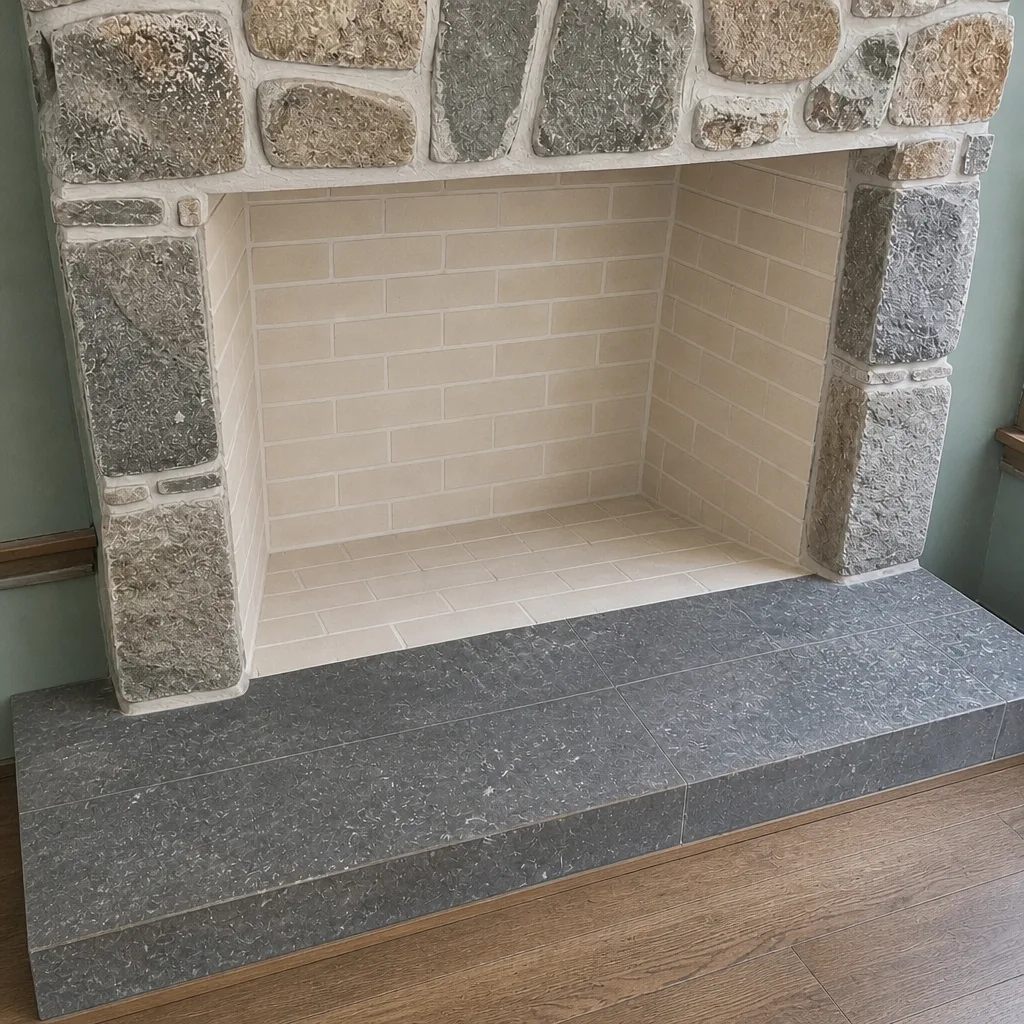
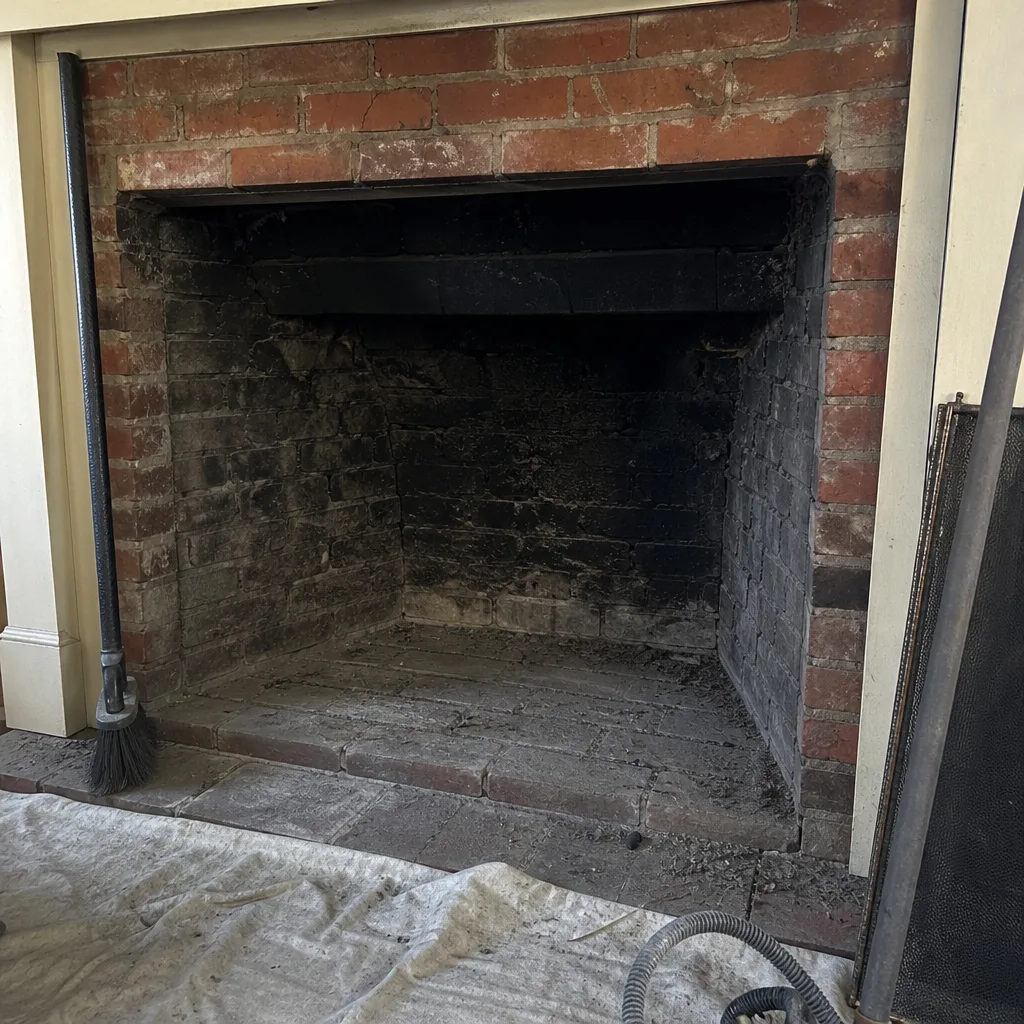
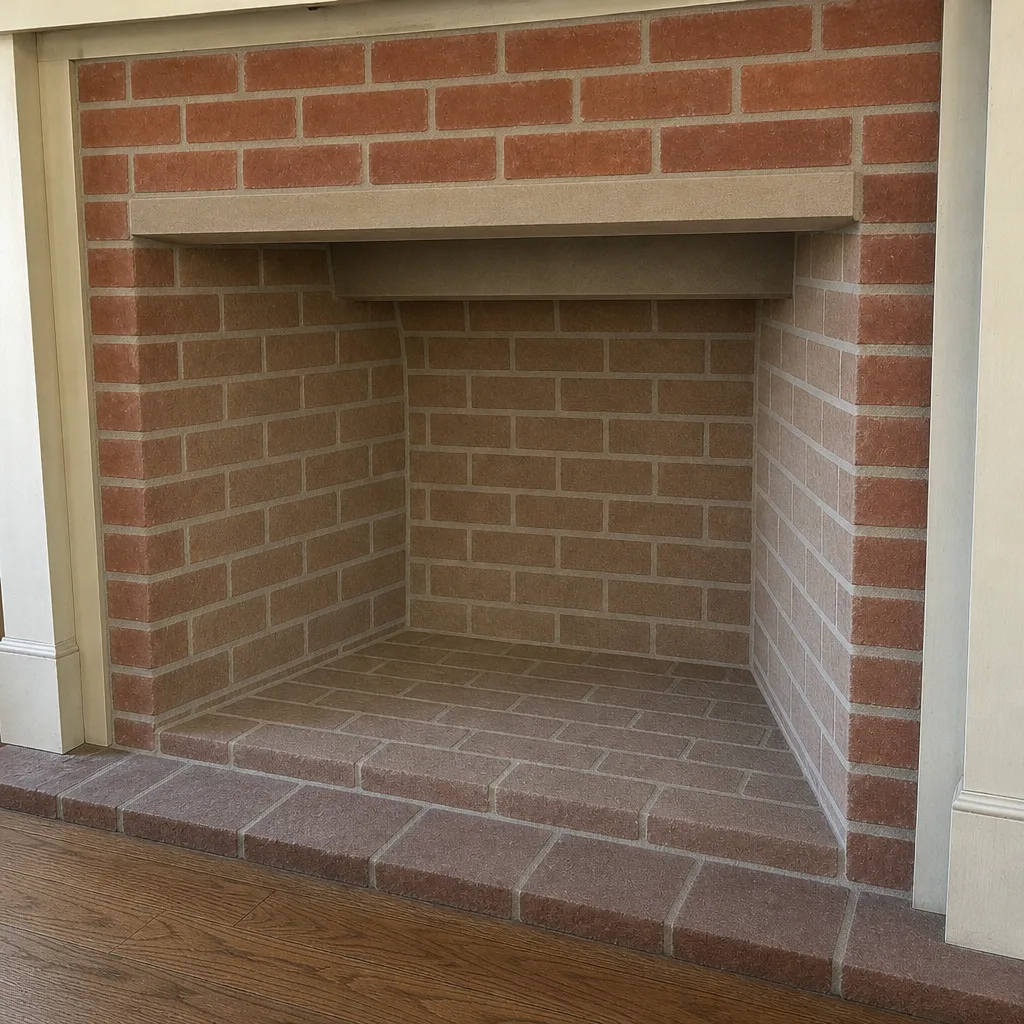
See the difference
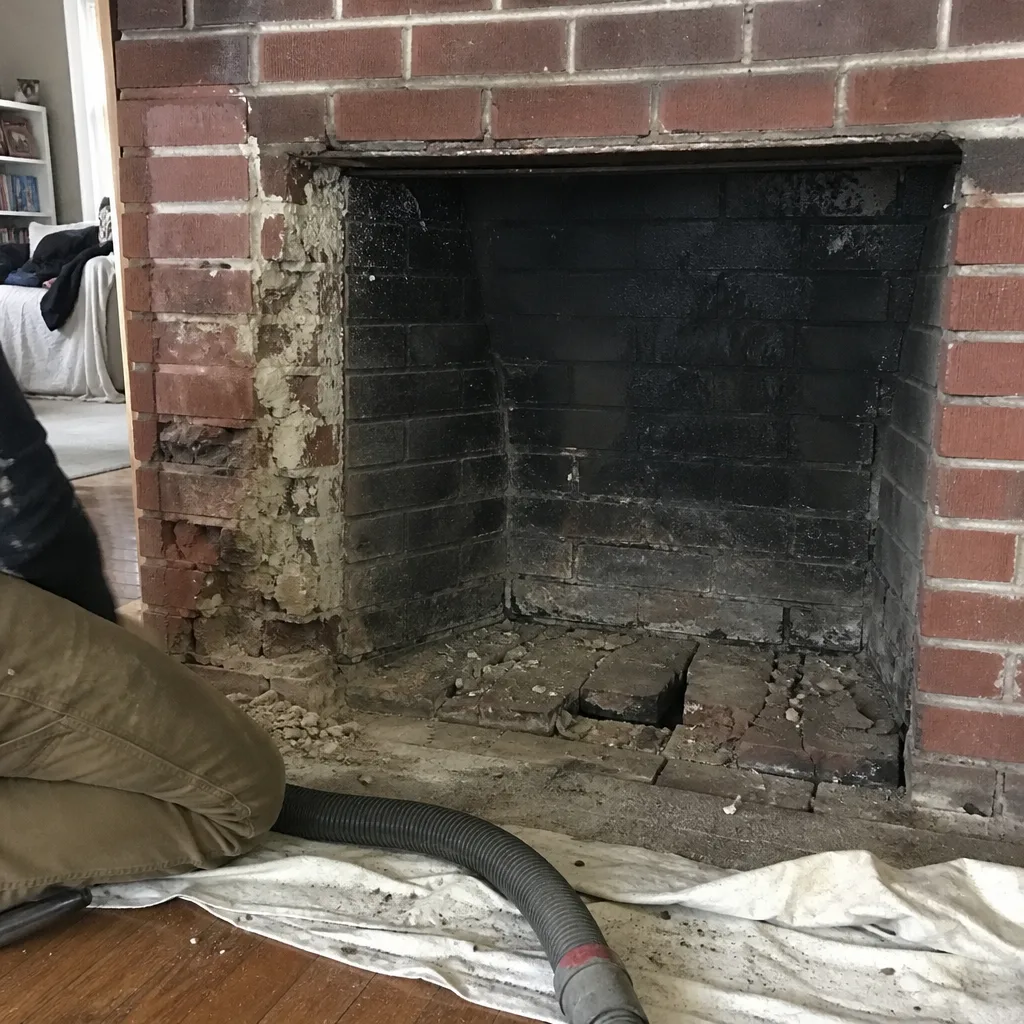 Before
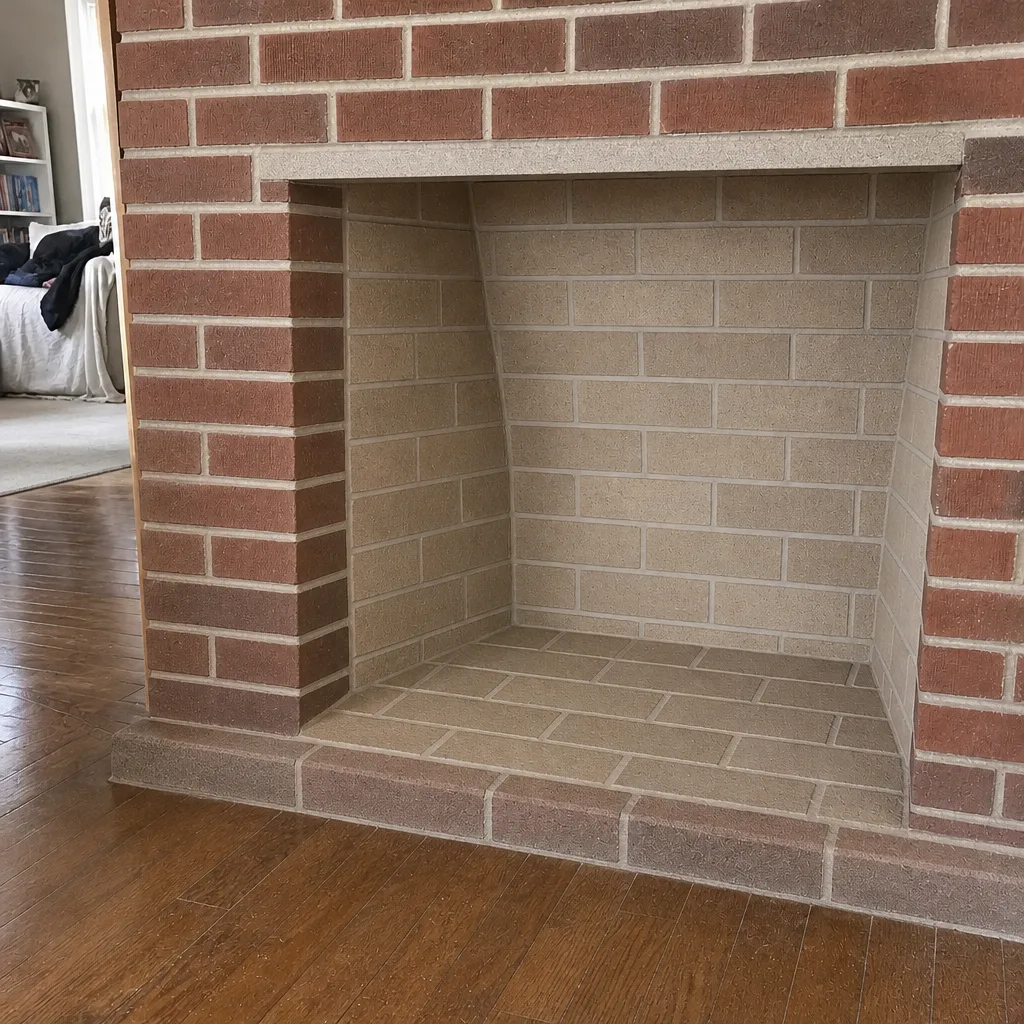 After
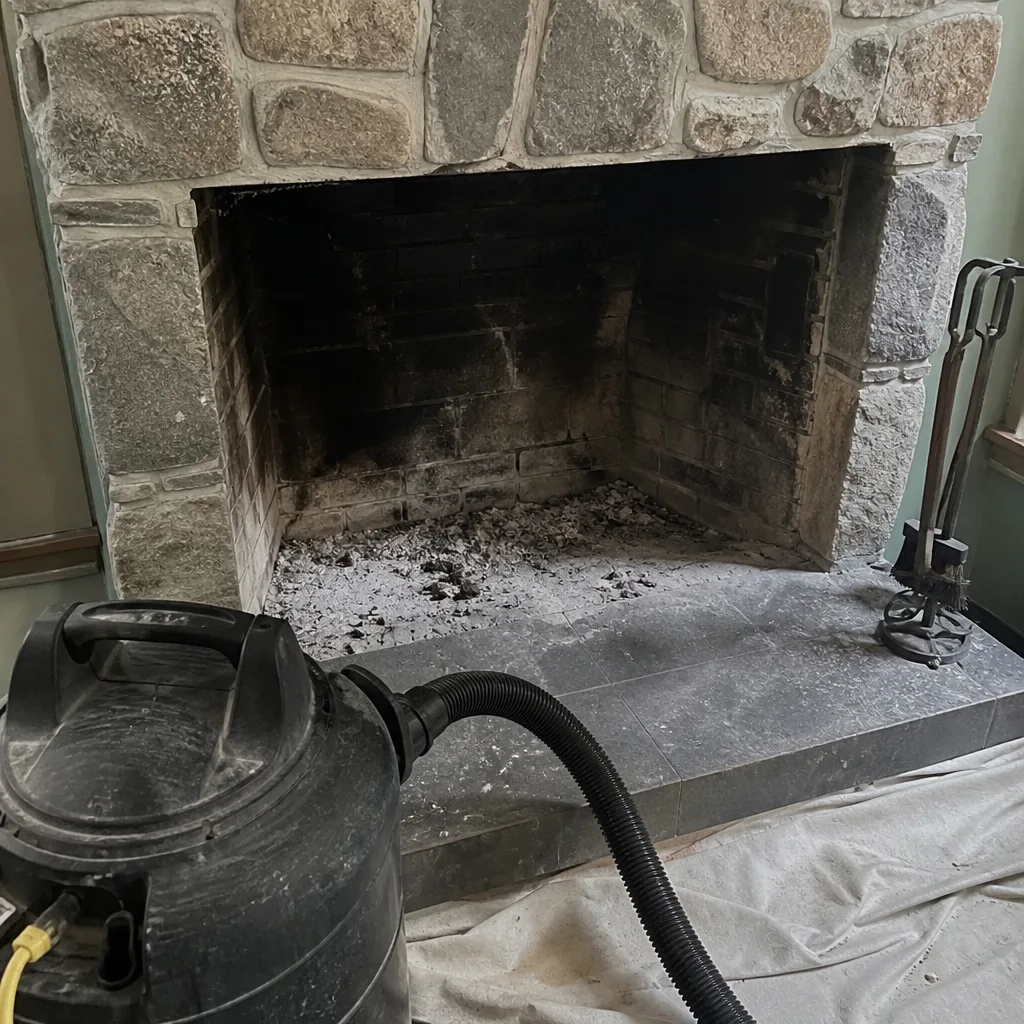 Before
 After
 Before
 After
The Manchester Climate Factor
Chimney problems in Manchester aren’t generic. The local climate puts specific pressure on chimneys that homeowners in milder regions don’t face. Freeze-thaw cycles are the biggest driver. Water gets into a crack, freezes overnight, expands, and widens the crack. Repeat that thirty or forty times through a winter and a hairline crack becomes a structural problem.
The other Manchester-specific factor is the housing stock. The city has a mix of older homes with original clay tile liners and newer, tightly built homes with modern heating systems. Each comes with its own failure modes. Older homes deal with spalling mortar, cracked crowns, and aging liners. Newer homes deal with negative pressure because the envelope is sealed too tight for an open fireplace to draw properly.
If your home is on the older side – and a lot of Manchester is – you should assume the liner has no known history unless you can confirm it’s been inspected. A camera inspection is the only way to know whether that liner is still doing its job.
Common Mistakes to Avoid
- Booking a cleaning when the problem is draft. If your fire spills smoke into the room, a cleaning might not fix it. Describe the symptom before you book, and ask whether a camera inspection is part of the visit.
- Burning unseasoned wood to “save money.” Wet wood burns cool and lays down creosote fast. Seasoned hardwood costs more per cord and costs less in the long run.
- Ignoring a cracked crown through the winter. A small crack that lets water in will widen with every freeze. Crown maintenance in early fall is easier and less expensive than masonry repair in spring.
- Assuming the cap is fine because you can see it from the ground. Rust and sagging mesh aren’t always visible from below. Ask for the cap to be checked during the visit.
- Skipping the flue after a chimney fire. A fire in the flue can leave hidden damage. A camera inspection is the only way to confirm the flue is still safe to use.
- Calling a sweep-only crew for a liner problem. If the diagnosis leads to relining, you want a crew with the materials already on the truck. One crew, one call beats a handoff every time.
- Forgetting the dryer vent. The dryer vent is the second fire-hazard flue in most homes. If you’re booking a chimney sweep, ask about dryer vent cleaning at the same time.
When to Call a Professional
Call a professional if you’ve had a chimney fire, if smoke consistently rolls into the room, if you smell creosote on warm days, if water is showing up in the firebox, or if you haven’t had the flue inspected and you don’t know its history. Also call if the problem has been getting steadily worse over a season. A slow decline is often a symptom of something building up or failing silently.
If you’re not sure whether you have a problem, that’s a good reason to call too. A camera inspection answers the question in one visit. Manchester Chimney Cleaning offers free estimates in Manchester – call (888) 804-9712. We work with professional-grade materials from DuraFlex, HeatShield, Gelco, Olympia Chimney, Famco, and Copperfield, and we handle the inspection, the cleaning, and the repair under one roof. You’ll get a written estimate before any work begins.
Frequently Asked Questions
Smoke at light-up is usually a cold flue or a negative pressure problem, not a dirty chimney. A cold flue pulls weakly until the fire heats it, and a tightly sealed house can’t supply enough replacement air for the fire. Crack a window before lighting and see whether the problem improves. If it does, pressure is part of the story. If it doesn’t, the flue may be partially blocked and needs a camera inspection. Call (888) 804-9712 for an exact quote – estimates are free.
A routine chimney sweep in Manchester typically runs in the low hundreds for a standard flue, with camera inspection and any repair work priced separately. The written estimate sets the final price before any work begins. Call (888) 804-9712 for an exact quote – estimates are free.
It depends on what the camera shows. A clay tile liner with intact tiles and degraded joints can often be restored with HeatShield, which is less expensive than a full reline. A liner with missing tiles, severe damage, or the wrong size for the appliance needs replacement. We don’t recommend relining without camera evidence you can see yourself. Call (888) 804-9712 for an exact quote – estimates are free.
The general rule is once a year for a fireplace in regular use, and more often if you burn frequently or burn unseasoned wood. Gas and pellet appliances also need an annual inspection, even though they don’t produce creosote the way wood does. The inspection is about catching problems early, not just cleaning. Call (888) 804-9712 for an exact quote – estimates are free.
Creosote builds up on the flue walls and becomes a fire risk. A small amount is normal; a thick, glazed layer can ignite. Beyond that, a chimney that isn’t inspected hides other problems – a cracked crown, spalling mortar, or a damaged liner – until they’re more expensive to fix. Call (888) 804-9712 for an exact quote – estimates are free.
Yes. Manchester Chimney Cleaning handles both the chimney flue and the dryer vent, which are the two fire-hazard flues in most homes. Cleaning both in one visit means one crew, one call, and no handoff to a second contractor. Famco dryer vent products are part of what we work with on the dryer side. Call (888) 804-9712 for an exact quote – estimates are free.
The Bottom Line
Most chimney problems have a diagnosable cause if you know what to look for. Smoke behavior, smell timing, and residue color all point in a direction before anyone climbs a ladder. The five most common causes in Manchester – ice damming at the crown, animal nesting in clay tiles, mortar spalling from freeze-thaw, negative pressure in tight homes, and cap corrosion – each leave their own clues. Match the symptom to the cause, describe it clearly when you call, and you’ll get an accurate estimate instead of a guesswork quote. From annual sweep to full liner restoration, we handle the whole arc under one roof. Call (888) 804-9712. We answer 24/7. Fast dispatch, 7am-7pm, Sunday through Friday.
Written by the team at Manchester Chimney Cleaning, serving Manchester since 2012.