
Last updated November 14, 2026
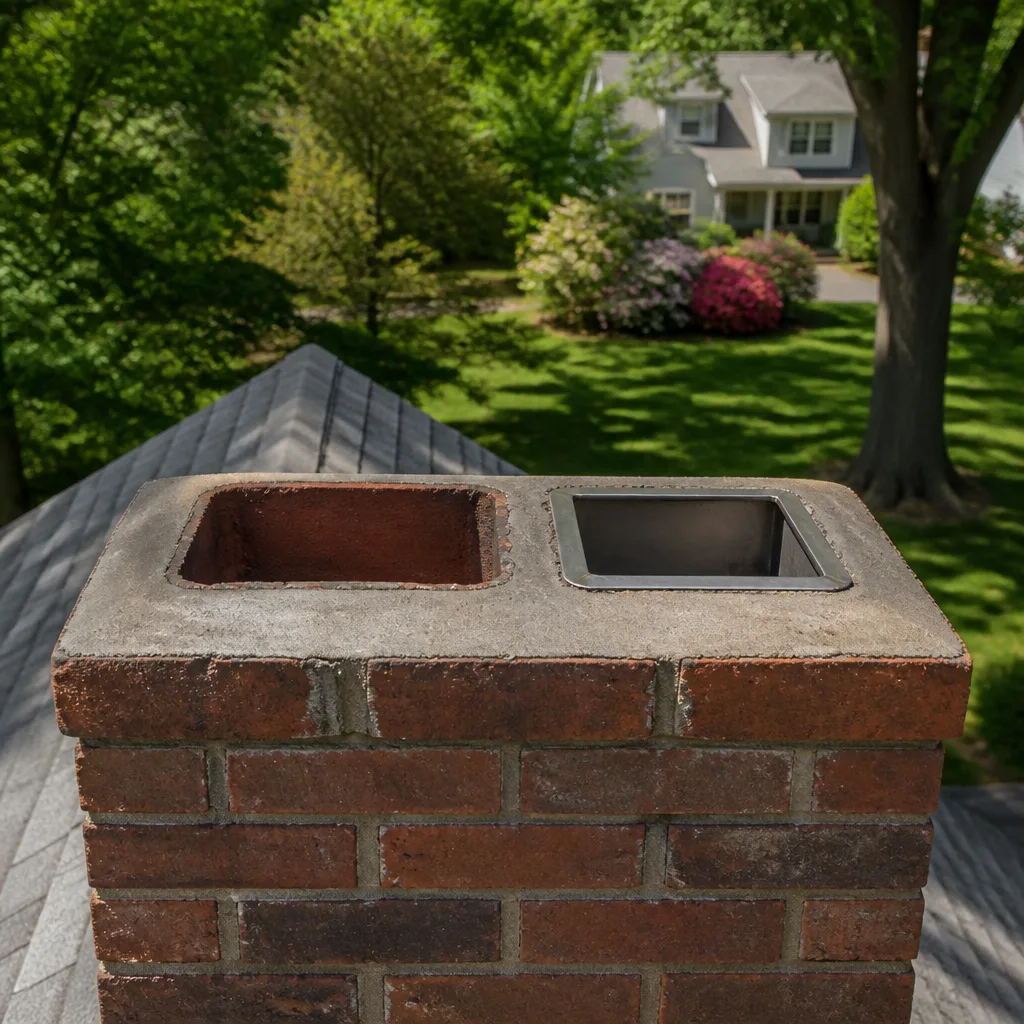 Sweep & inspection
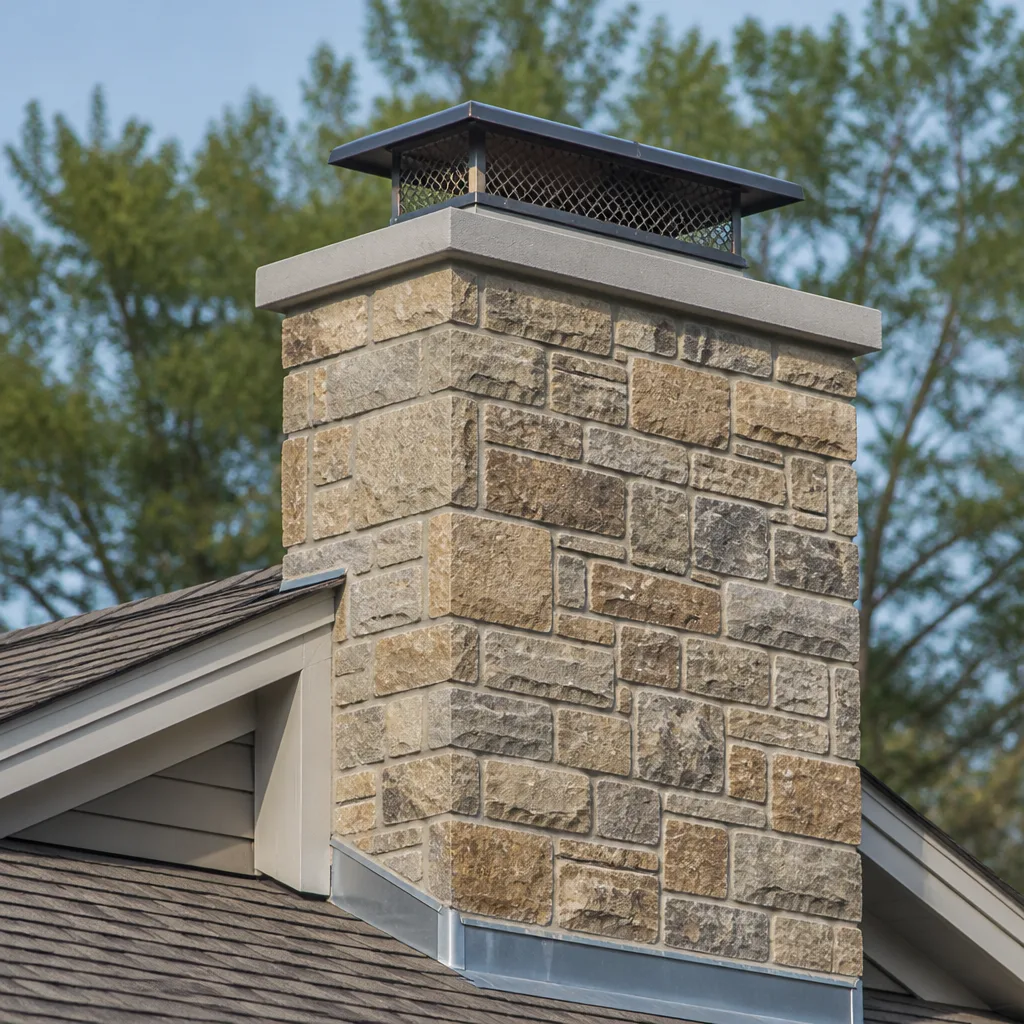 Caps & crowns
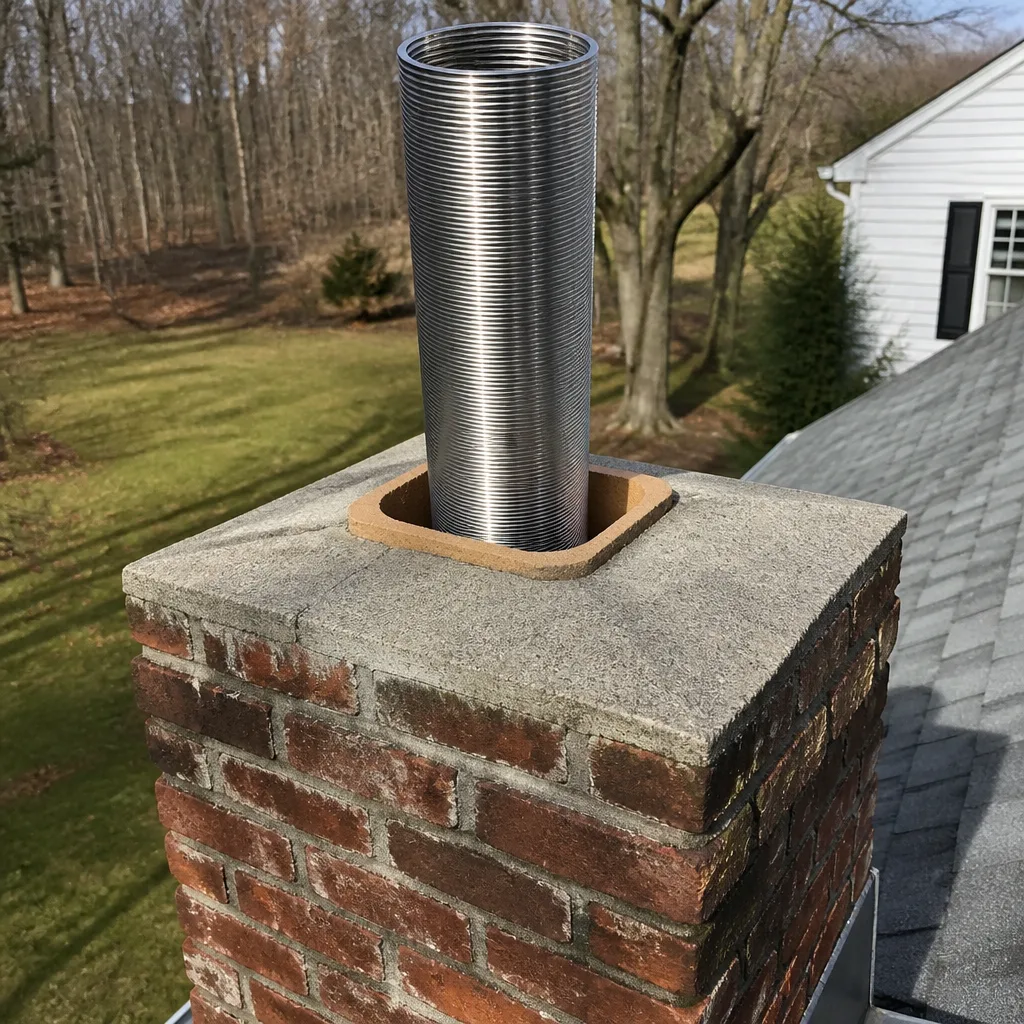 Flue relining
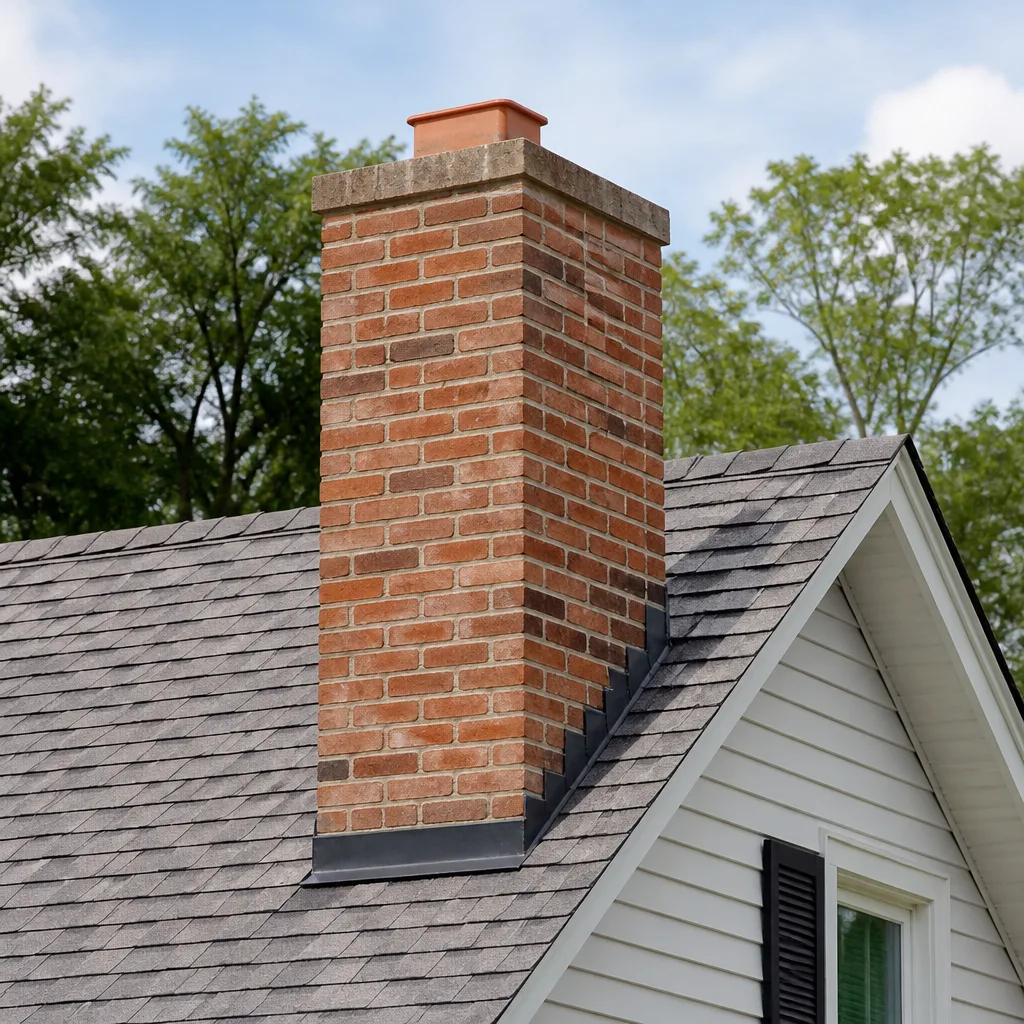 Masonry repair
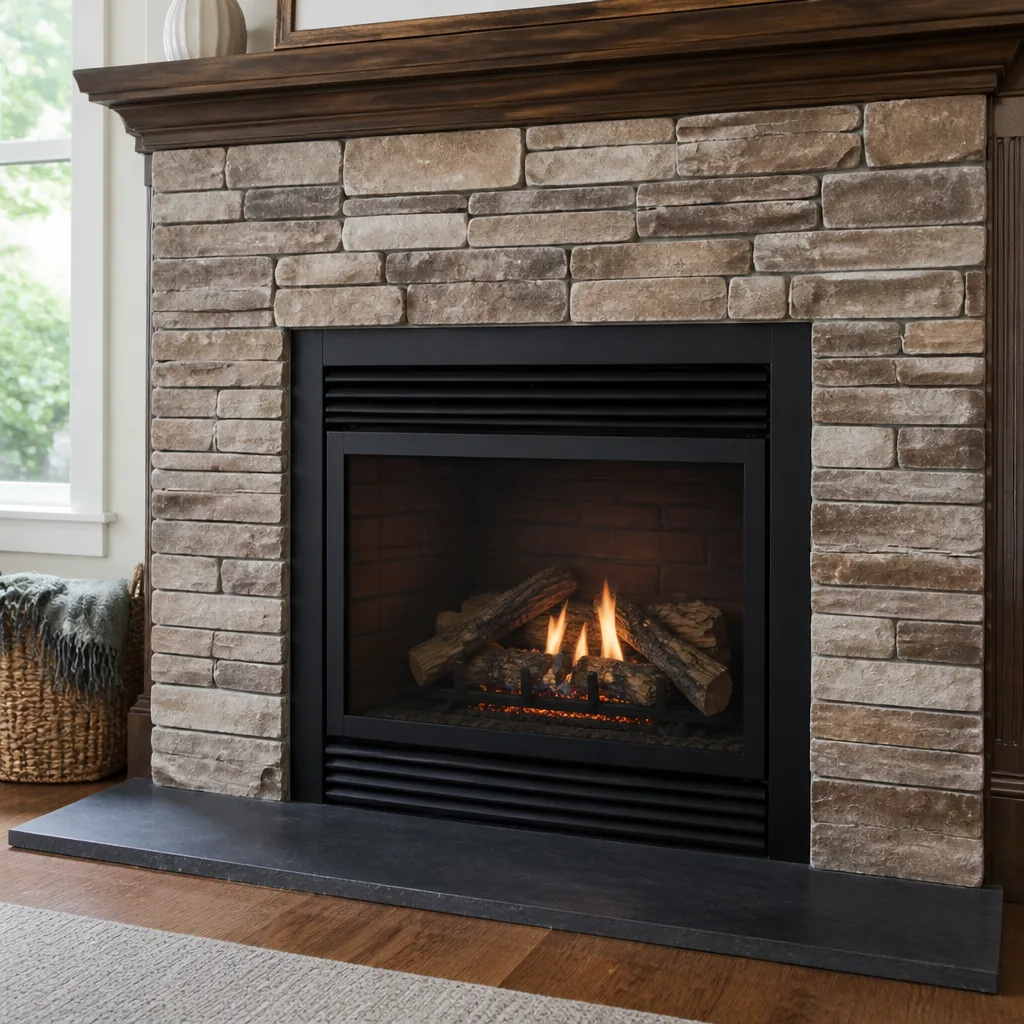 Gas fireplace service
Level 1 sweep and inspection to the NFPA 211 annual standard - flue, crown, cap, and flashing checked and photographed
Chimney sweep logs do not sweep chimneys. They loosen some creosote - which then falls where a brush and vacuum still have to collect it.
DIY vs Professional Chimney Cleaning: The Manchester Homeowner’s Decision Guide
You can buy the same poly brushes and fiberglass rods a chimney sweep uses. That part of the job is not a secret, and anyone with a ladder, a shop vac, and a free afternoon can order the tools. What you can’t order online is the camera inspection, the trained eye that spots a cracked crown or a gap at the smoke chamber shoulder, and the documentation that shows your insurer what condition the flue was in before a problem started. The brush is not the service. In this guide we draw the line precisely: what a Manchester homeowner can do safely, where that line ends, what’s on the other side of it, and how to use your own maintenance between professional visits to extend intervals and keep costs down.
Quick Answer
A Manchester homeowner can safely remove firebox ash, check the damper, and inspect the cap, crown, and flashing from ground level. Everything above the firebox – the smoke chamber, the flue liner, and the creosote that builds inside them – is where DIY cleaning stops being useful and starts being risky, because damage there is invisible without a camera and missed Stage 2 creosote is a real flue-fire hazard. A professional chimney sweep includes the camera inspection and a photo report; a brush alone does not.
Styles & brands we work with
- Sweep & inspection
- Caps & crowns
- Flue relining
- Masonry repair
- Gas fireplace service
Table of Contents
- What You Can Actually Do Yourself in Manchester
- Where DIY Ends: The Smoke Chamber and Flue Liner
- The Real Cost of Doing It Right vs. Hiring a Sweep
- Liability and Insurance: What an Undocumented Cleaning Means in NH
- Understanding Creosote Stages and Why They Matter
- Using DIY Maintenance Between Professional Cleanings
- DIY vs Professional: A Side-by-Side Comparison
- When to Call a Professional
What You Can Actually Do Yourself in Manchester
Plenty of routine chimney upkeep is genuinely safe for a homeowner. These tasks reduce creosote load, catch small problems early, and make a professional sweep’s job faster and more effective when it comes time to book one. None of them require climbing onto the roof or reaching inside the flue.
What we tell Manchester homeowners they can own themselves:
- Firebox debris removal. Scoop out ash and leftover wood, use a shop vac rated for fine ash, and keep the firebox floor clear. Do this after every few burns, and especially at the end of the heating season. Ash holds moisture and can corrode the firebox floor over time.
- Damper operation check. Open and close the damper fully. It should move smoothly, seal flat when closed, and sit fully open when engaged. A damper that sticks, or that won’t stay open on its own, is a sign of rust or a bent frame and worth flagging to a pro.
- Cap and crown inspection from ground level. Stand back from the house with binoculars and look at the chimney top. The cap should sit flush, the mesh screen should be intact, and the crown – the concrete or mortar top – should have no visible cracks or crumbling edges. You’re not fixing anything up there; you’re spotting problems to report.
- Exterior flashing visual. Look at the metal flashing where the chimney meets the roof. Rust streaks, gaps, or lifting edges are worth noting. So is any white staining or dark streaking on the chimney’s outer masonry.
- Burn quality check. Notice whether smoke rolls out of the firebox when you open the glass, whether the fire struggles to draw, and whether you smell smoke inside the house. All of these tell a sweep something useful.
- Annual smoke and carbon monoxide detector test. Not chimney work exactly, but the cheapest fire-safety step in the house. Test them monthly while the fireplace is in use.
Notice what’s absent from that list: anything involving the flue interior, the smoke chamber, or the roof. Those are outside the safe DIY window, and the next section explains exactly why.
Where DIY Ends: The Smoke Chamber and Flue Liner
The line between safe homeowner maintenance and real chimney work is not a matter of tooling up more. It’s a matter of what you can actually see. The areas where chimney problems start – the smoke chamber and the flue liner – are the two places where the interior is completely invisible from the firebox floor, and where damage shows up only on camera or on a technician’s long-handled inspection.
The smoke chamber
The smoke chamber is the corbeled section just above the damper, funneling smoke from the firebox into the flue. It has angled, stepped surfaces, and creosote clings to those angles. Most homeowners can’t reach it with a brush, and the shelf seams are where glazed creosote deposits build first. There’s also the smoke chamber shoulder – the transition where the angled walls meet the straight flue – which is where we most often find gaps, deteriorated parging, and deposits that a straight brush slides right past.
The flue liner
The flue liner is the vertical channel carrying smoke and gases up and out. On an older Manchester home, that liner may be clay tile, and clay tile cracks. It may be a metal liner that’s separated at a joint. Either way, a cracked or gapped liner lets heat and carbon monoxide reach the surrounding structure – which is the actual mechanism behind many chimney fires, not the smoke itself. A half-inch crack at a tile joint is invisible from below and obvious on a camera inspection.
Glazed Stage 3 creosote
Creosote builds in stages. Stage 1 is soot and light flaky deposits – a brush removes it. Stage 2 is a denser, tar-like coating – a brush removes most of it. Stage 3 is glazed, hardened creosote that a standard rotary brush won’t touch. Removing it takes chemical treatment or a rotary whip with the right head, and it’s the deposit class most closely tied to flue fires. This is exactly the deposit a homeowner can’t spot from below.
If you see or smell smoke backing into the room, notice creosote flakes falling on the roof, or hear a low roar when the fire is burning, do not investigate further yourself. Call chimney sweep help from someone with a camera and a trained eye. The stack is a confined, hot space, and the risk of doing more damage with a brush in the wrong spot is real.
The Real Cost of Doing It Right vs. Hiring a Sweep
Here’s the honest math on a proper DIY chimney cleaning. To do it correctly – not improvise with a broom taped to a PVC pipe – you need the actual equipment. That means a chimney brush sized to your flue, fiberglass rods in enough length to reach the top, drop cloths and a proper respirator, and ideally a vacuum rated for fine soot. If you don’t have a safe roof access point, you need roof gear too, or you’re trying to brush from inside, which is slower and messier but limited by how straight your flue runs.
Typical cost ranges you’ll see for a proper DIY setup:
- Chimney brush, sized to the flue: roughly $30 to $70
- Fiberglass rods, enough for a two-story flue: roughly $80 to $200
- Fine-ash shop vac (if you don’t already own one): roughly $150 to $300
- Respirator, drop cloths, hand tools: roughly $60 to $120
- Roof access gear if you don’t already have it: varies widely, often the biggest cost of all
Add that up on a first attempt and you’re typically between $320 and $690 in equipment – money spent once, but only recovered if you use it for years. A professional chimney sweep for a routine cleaning typically costs a fraction of that first-year equipment outlay, and it includes a camera inspection and a photo report of what was found. Even if you plan to sweep yourself going forward, having one professional baseline inspection done first is the only way to know what condition your flue was actually in when you started. We’ve seen too many first-time DIY attempts mask a pre-existing problem that a camera inspection would have caught on day one.
Where the “I’ll just buy the tools” logic breaks down
Brushes and rods don’t tell you what’s happening. A standard brush can whip past a glazed Stage 3 deposit without removing it, can snag on a separated tile joint in a clay liner, or can miss a smoke chamber gap entirely. The equipment is comparable; the documentation and inspection aren’t. That’s the difference between sweeping a chimney and knowing what state it’s in.
Liability and Insurance: What an Undocumented Cleaning Means in NH
If a chimney fire happens in a New Hampshire home, the first thing an insurance adjuster will look for is maintenance records. A homeowner’s policy responds to a fire claim, but coverage disputes over neglected or improperly maintained chimneys are common. An undocumented self-clean leaves no paper trail – no proof of when the flue was last inspected, no record of what condition it was in, no documented response to a known issue.
What most policies actually care about:
- Whether the chimney was maintained at reasonable intervals. Many insurers expect annual inspection documentation for a wood-burning appliance, and can push back on a claim if the chimney shows long-term neglect behind the fire.
- Whether a known problem was addressed. If a sweep flagged a cracked liner in writing and the homeowner swept around it, the insurer may argue the loss was foreseeable.
- Whether the damage is fire-related or maintenance-related. Most policies cover a sudden fire. Fewer cover the slow deterioration of a chimney liner or smoke chamber, because that’s considered maintenance, not a sudden event.
This is not a scare tactic – it’s the practical reason so many Manchester homeowners have a professional inspection done once a year even if they handle routine firebox upkeep themselves. A camera inspection and photo report give you documentation: a dated record of what your flue looked like, what was found, and what was recommended. If a claim ever comes up, that file is worth more than any DIY savings. Check with your own insurer for the exact expectations on your policy.
Understanding Creosote Stages and Why They Matter
Creosote is the tar-like residue left behind when wood burns. How much builds, and how hazardous it is, depends on the wood, the fire’s temperature, and how often the chimney runs. There are three recognized stages, and the difference between them is the difference between a routine sweep and a real problem.
- Stage 1 – Soot and light flaky deposits. This is normal buildup after a season of burning. A chimney brush removes it. It’s low-risk on its own, but it accumulates.
- Stage 2 – Dense, tar-like creosote. This happens when smoke cools before it exits the flue, usually from burning greener or unseasoned wood, or from a fire that’s too cool. A brush removes most of it, but only if the flue is swept thoroughly. This is the stage where longer intervals between cleanings start to compound risk.
- Stage 3 – Glazed, hardened creosote. This is the dangerous stage. It looks almost like a shiny coating on the flue wall, and a standard brush won’t remove it. It needs chemical treatment or a rotary whip, and it’s the deposit class most associated with flue fires. Glazed creosote forms where the liner is coolest – usually at the top of the flue and in the smoke chamber, both areas a homeowner can’t see from below.
Burning dry, seasoned wood helps reduce buildup. So does running hotter fires rather than long smoldering ones. And a professionally cleaned flue, restored with a product like HeatShield where a liner joint has deteriorated, can be swept more completely on future visits because the surfaces are smoother and continuous. If your flue has visible creosote above Stage 1 the next time you look in with a flashlight, that’s worth having checked in person rather than guessing.
Using DIY Maintenance Between Professional Cleanings
You can reduce how often you need a full professional cleaning by handling routine upkeep consistently. Done well, that keeps your flue cleaner and stretches the interval between visits – which also means the pro visit is faster and cheaper when it does come around.
The between-visit rhythm that works
- Clean the firebox after every few burns. Empty ash into a metal container and store it outside. Don’t let it pile up.
- Check the damper every month. A working damper keeps heat in and smoke out. A sticking one gets flagged early.
- Look at the cap and crown from the ground each season. Crumbling mortar, a loose cap, or bird netting pulled away are all worth noting.
- Test detectors every month. Replace batteries annually.
- Book a professional sweep on a schedule. For a wood-burning fireplace in regular use, that’s typically once a year. For a gas insert, less often – but the flue still needs checking. For a wood stove burning frequently, stay closer to annual. For a home you’ve just moved into, book the sweep first and get the baseline before you start relying on the fireplace.
- Keep a maintenance log. Date, what was done, what was noticed. This is the file your insurer will want if there’s ever a claim.
One thing homeowners sometimes miss: the dryer vent is the second flue in a house, and lint buildup is a leading residential fire hazard. dryer vent cleaning runs on the same logic – you can clean the lint trap yourself, but the hidden duct behind the dryer is a job for a professional. In our experience, Manchester homeowners who book both services together get both flues handled in one visit and don’t have to think about it again for a year.
DIY vs Professional: A Side-by-Side Comparison
Here’s a plain comparison of what each approach actually covers. Neither is wrong for every task – the question is which parts of the chimney you’re comfortable leaving to a trained eye and a camera.
- Firebox ash and debris removal – DIY: yes, routine | Professional: included in sweep
- Damper operation check – DIY: yes | Professional: included
- Cap and crown visual from the ground – DIY: yes | Professional: confirmed on the roof
- Flue brushing – DIY: partial, only if equipment is right | Professional: full sweep
- Smoke chamber inspection – DIY: not realistically | Professional: camera and visual
- Flue liner camera inspection – DIY: no | Professional: standard
- Photo report and record of findings – DIY: no | Professional: included
- Stage 3 glazed creosote removal – DIY: not with a standard brush | Professional: chemical or rotary whip
- Liner restoration or repair – DIY: no | Professional: HeatShield or DuraFlex where appropriate
- Insurance documentation – DIY: self-kept, unverified | Professional: dated inspection record
On the professional side, that’s the full sweep and camera inspection, and if a problem turns up, the repair happens without handing you off to a second contractor. We work with HeatShield for liner restoration (a cost-effective option when a full reline isn’t necessary) and DuraFlex flexible liner systems for older or complex flues where rigid liners won’t fit. That covers the full service arc – inspection, cleaning, and repair – in a single relationship. Both product lines are professional-grade, meaning jobs are completed with the same materials certified technicians use industry-wide, not generic substitutes. Manchester Chimney Cleaning handles this every year for homeowners across the city.
Common Mistakes to Avoid
- Brushing the flue without a camera inspection first. You don’t know what you’re brushing past, and a brush can snag on a separated tile joint. Book one professional inspection before any DIY sweep.
- Assuming a clear firebox means a clean flue. The creosote that actually causes fires builds up in the flue and smoke chamber, both of which are invisible from below.
- Burning unseasoned or wet wood to save money. Green wood produces more creosote because the fire runs cooler and smoke cools faster in the flue. Seasoned wood burns hotter and cleaner.
- Skipping the smoke chamber because it’s hard to reach. It’s the area where glazed creosote builds first and where a cracked shoulder is most often found. Every sweep should include it.
- Cleaning the chimney but forgetting the dryer vent. Both are fire-hazard flues, and most Manchester homes have both. A dryer vent packed with lint is just as much a problem.
- DIY sweeping right after buying a home. You have no baseline. A professional inspection should always come first.
- Not keeping records. If you sweep yourself, log the date and what you did. Without it, you have no defensible maintenance history if a claim is filed.
- Trying to remove glazed creosote with a standard brush. It doesn’t work, and forcing it can damage the liner. That stage is a professional job.
When to Call a Professional
If you’re unsure, this is the short list of situations where the brush is not enough. Call a professional if you smell smoke backing into a room while the fireplace is burning, if you see creosote flakes on the roof or ground, if the damper won’t open or seal flat, if you’ve just moved into a home with an unknown chimney history, if you notice white staining or spalling on the exterior masonry, if you haven’t had the chimney inspected in more than a year, or if you’re planning to burn wood regularly and have never had a camera inspection done. Those aren’t DIY situations, and the risk of guessing wrong is real. For everything on that list, one visit from a professional sweep catches what a brush can’t. Manchester Chimney Cleaning offers free estimates in Manchester – call (888) 804-9712. We answer 24/7. Fast dispatch from 7am to 7pm, Sunday through Friday.
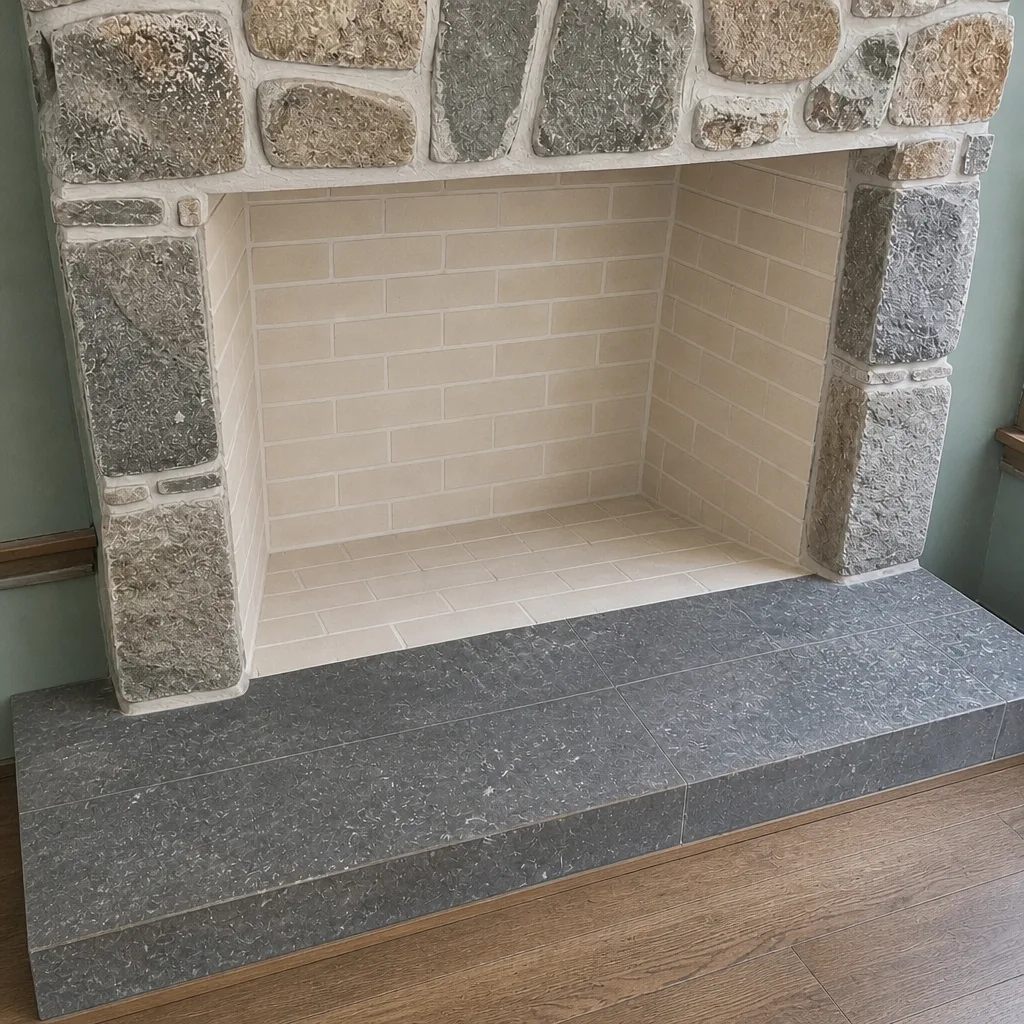
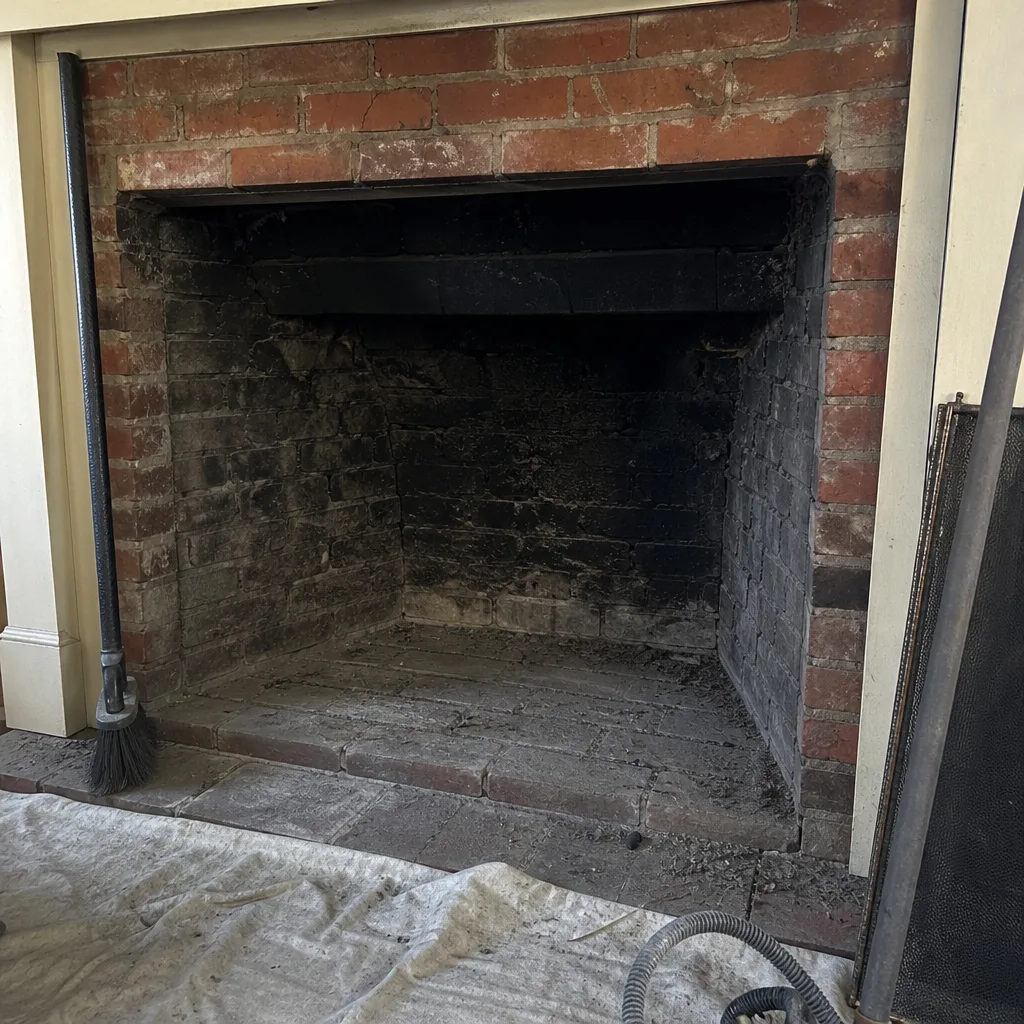
See the difference
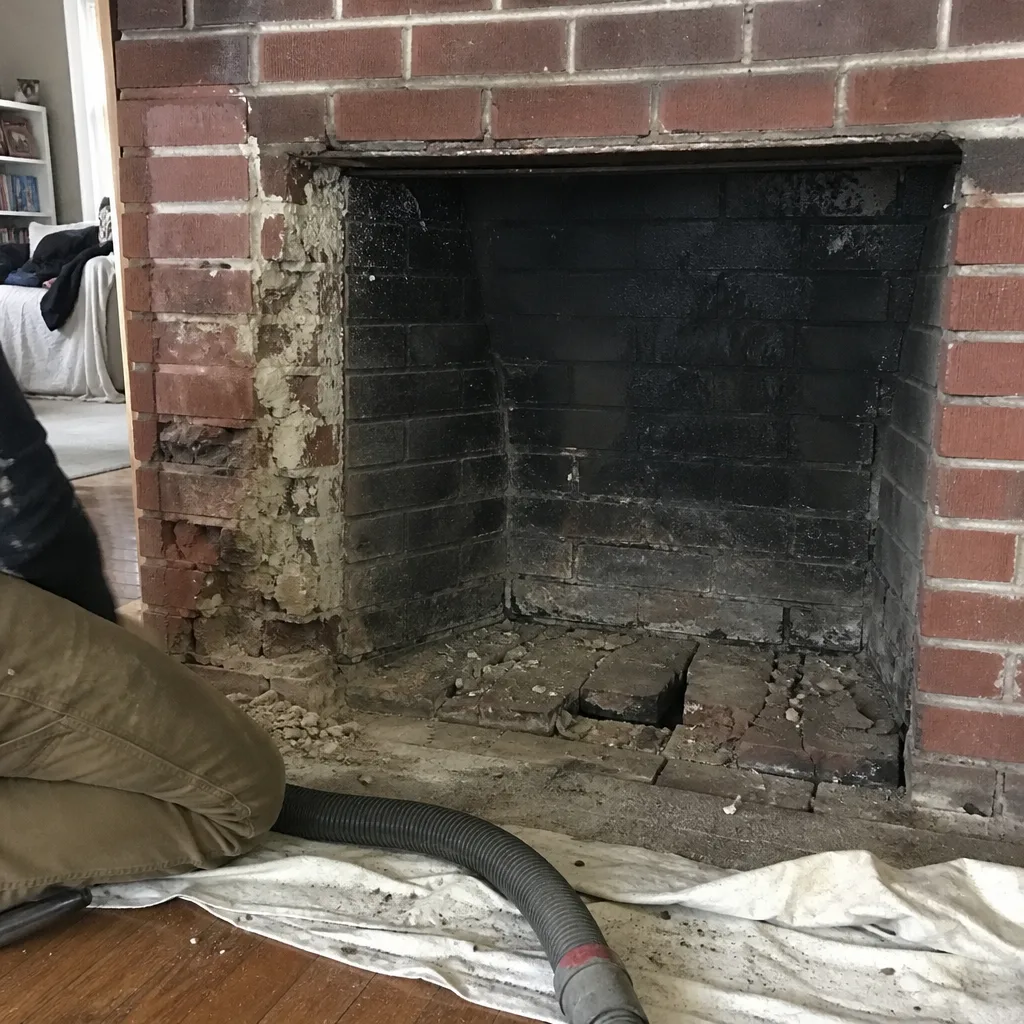 Before
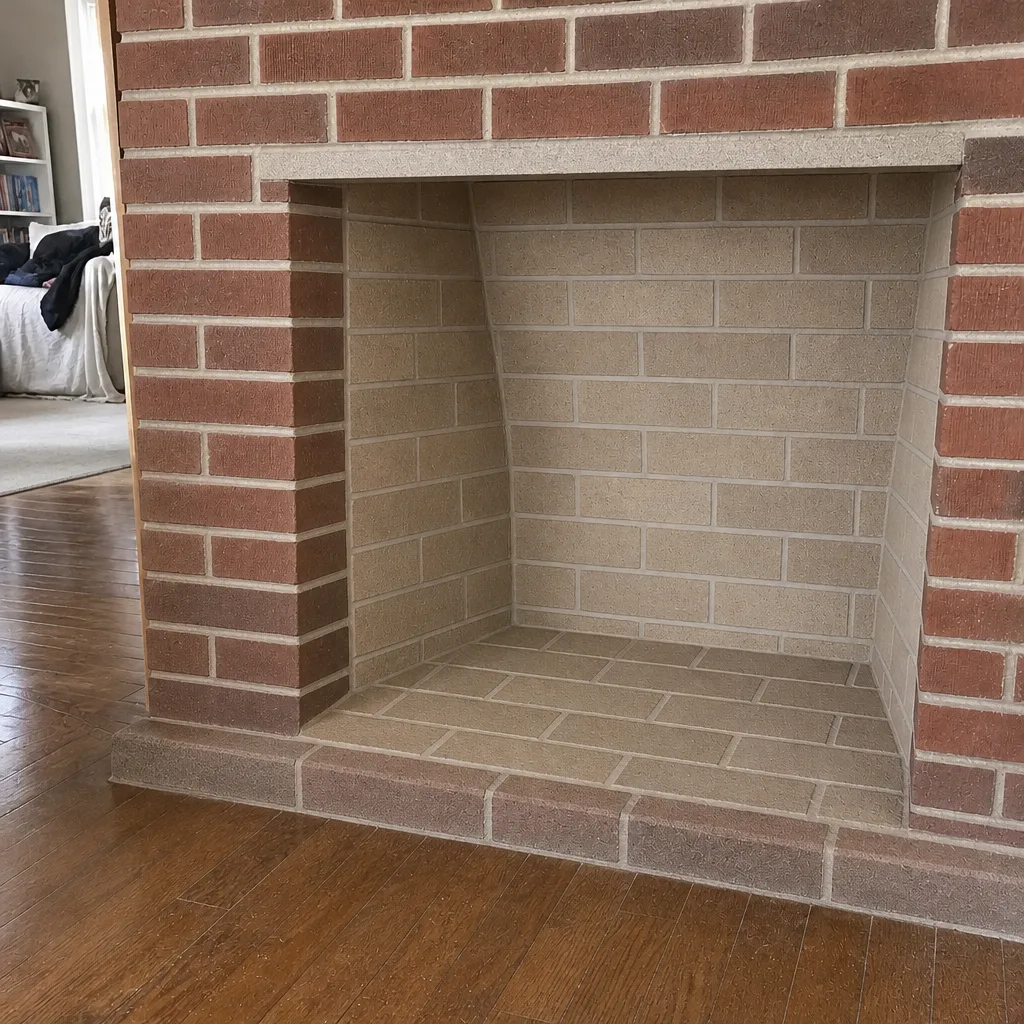 After
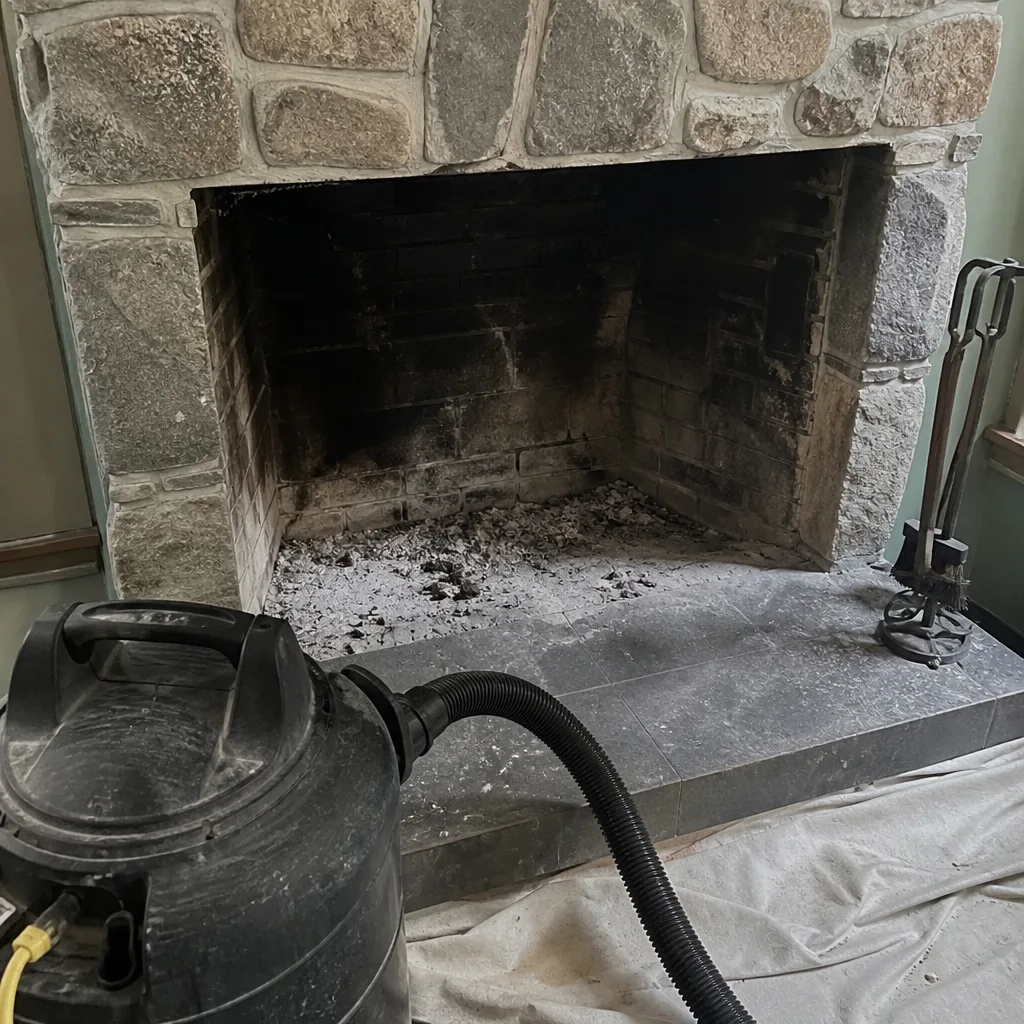 Before
 After
 Before
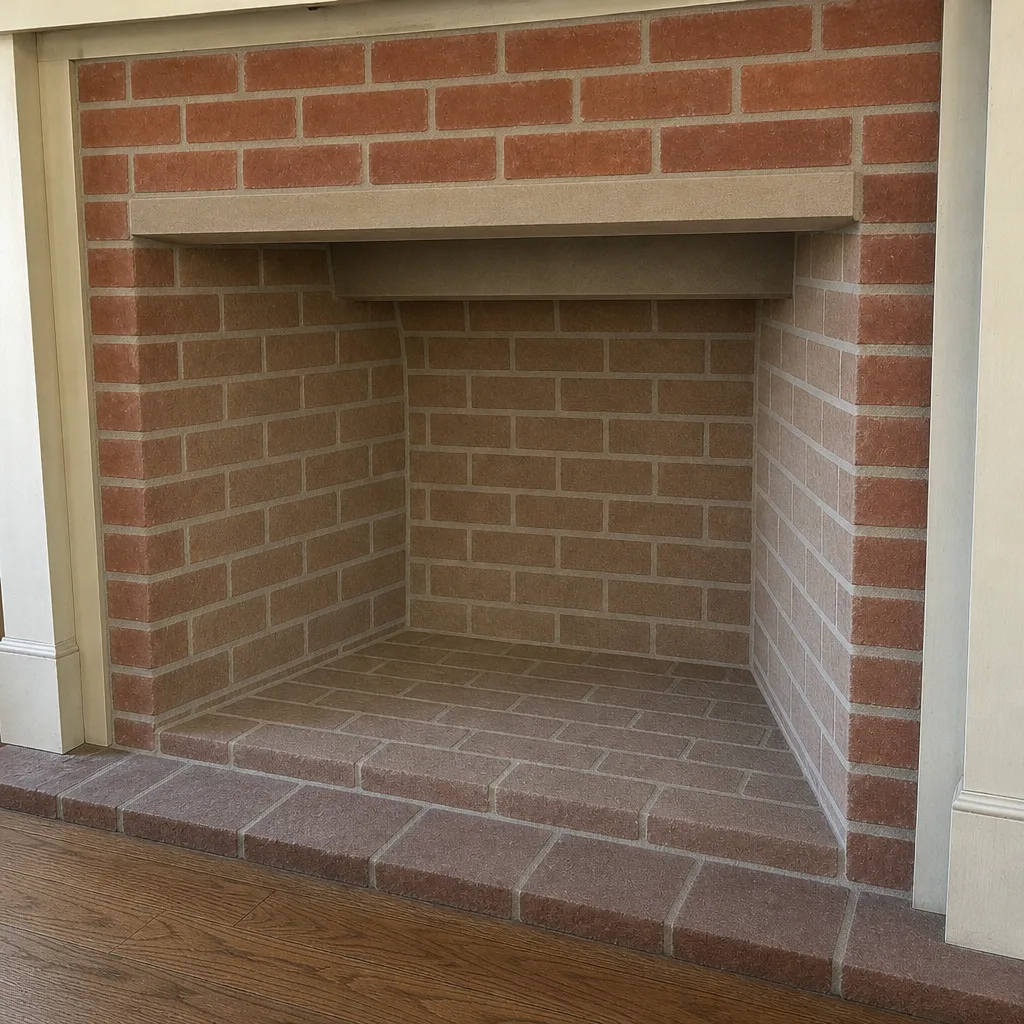 After
Frequently Asked Questions
You can safely handle firebox ash, damper checks, and ground-level cap and crown inspection, but a full chimney cleaning that includes the smoke chamber and flue liner needs a camera and a trained eye. The flue interior is invisible from below, and a standard brush can miss glazed creosote and liner damage entirely. Get one professional inspection first, then handle routine upkeep between professional visits.
A proper first-time DIY setup typically runs $320 to $690 for brush, rods, a fine-ash shop vac, and safety gear – before roof access. A routine professional sweep that includes a camera inspection and photo report is often a fraction of that on its own. If you plan to sweep yearly, the professional route is usually the lower lifetime cost because it includes documentation and inspection every time. Call (888) 804-9712 for a free estimate – estimates are free.
It can. Insurers look for maintenance records after a chimney fire, and a self-clean with no date or documented inspection leaves no paper trail. A professional inspection gives you a dated record of what the flue looked like and what was found. Check with your own insurer for the specific expectations on your policy.
For a wood-burning fireplace in regular use, about once a year is the common baseline. For a wood stove you burn heavily, stay closer to annual. For a gas insert, less often, but the flue still needs checking. If you’ve just moved in, book a sweep first and get a baseline inspection before relying on the fireplace.
Creosote keeps building on the flue wall. Stage 1 and Stage 2 deposits are removable with a brush; Stage 3 glazed creosote isn’t, and it’s the class most closely tied to flue fires. A cracked or gapped liner can also let heat and carbon monoxide reach the surrounding structure. Skipping a sweep doesn’t cause a fire by itself, but it removes the inspection that would catch the conditions that do.
A DIY sweep is a brush and a rod going down the flue. A professional sweep is the same brush, plus a camera inspection of the smoke chamber and liner, plus a photo report of what was found, plus – if repairs surface – the ability to fix them without a second contractor. We work with HeatShield for liner restoration and DuraFlex for older or complex flues, so the inspection-to-repair handoff stays in the same crew. On the dryer side, we use Famco products for vent cleaning and repair, and Olympia Chimney and Gelco for chimney components where needed.
Not sure whether your flue needs a full sweep or just a checkup? Call (888) 804-9712 for a free estimate in Manchester. We answer 24/7. Fast dispatch from 7am to 7pm, Sunday through Friday. You’ll get a written estimate before any work is done, and a camera photo report you can see for yourself – nothing is recommended that you can’t verify.
The Bottom Line
The DIY-versus-professional decision isn’t “can you buy a brush” – you can. It’s “can you see what a camera sees, and can you document what you find.” Firebox upkeep, damper checks, and ground-level cap inspection belong in the homeowner’s hands. The smoke chamber and flue liner belong to a professional inspection. Use DIY maintenance between professional sweeps to extend intervals and reduce per-visit cost, but start with one documented inspection so you know the baseline. That single visit is the difference between sweeping a flue and knowing it’s safe.
Written by the team at Manchester Chimney Cleaning, serving Manchester since 2012.