
Last updated November 14, 2026
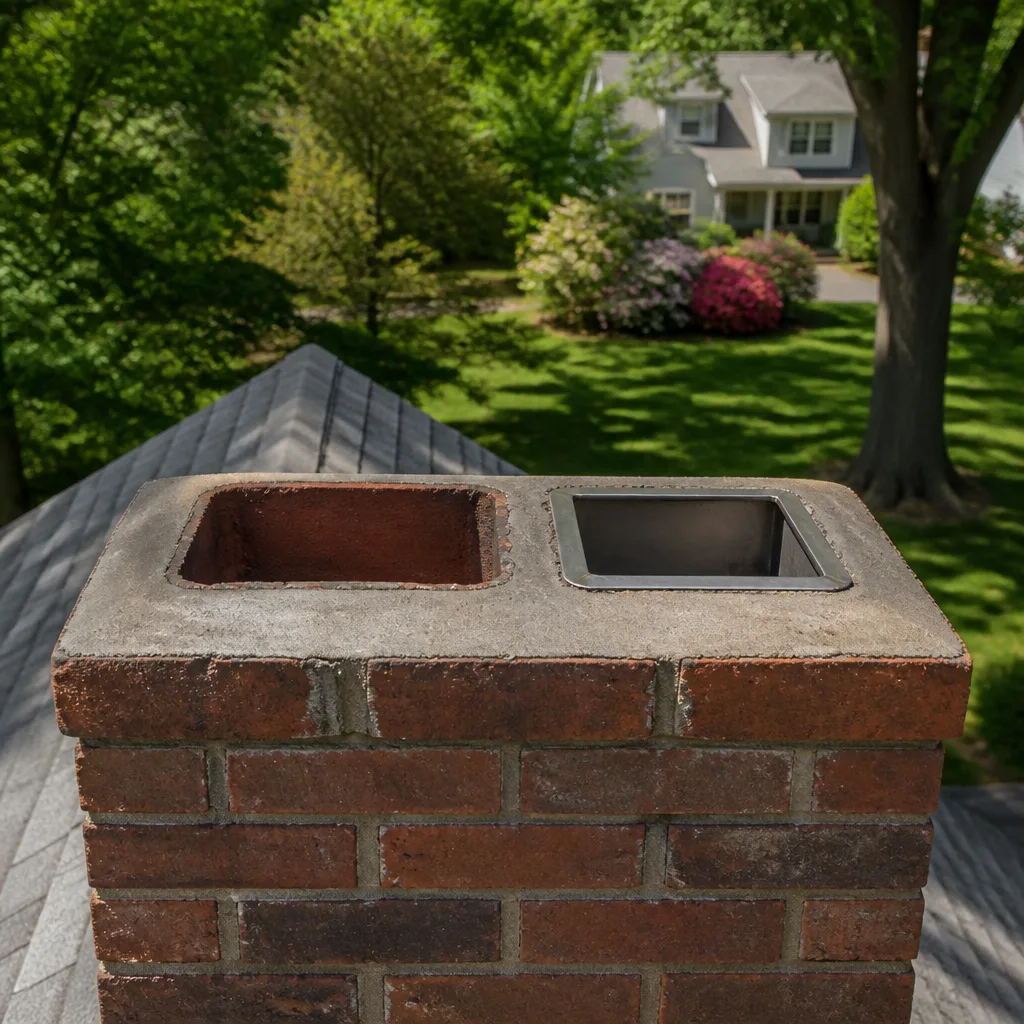 Sweep & inspection
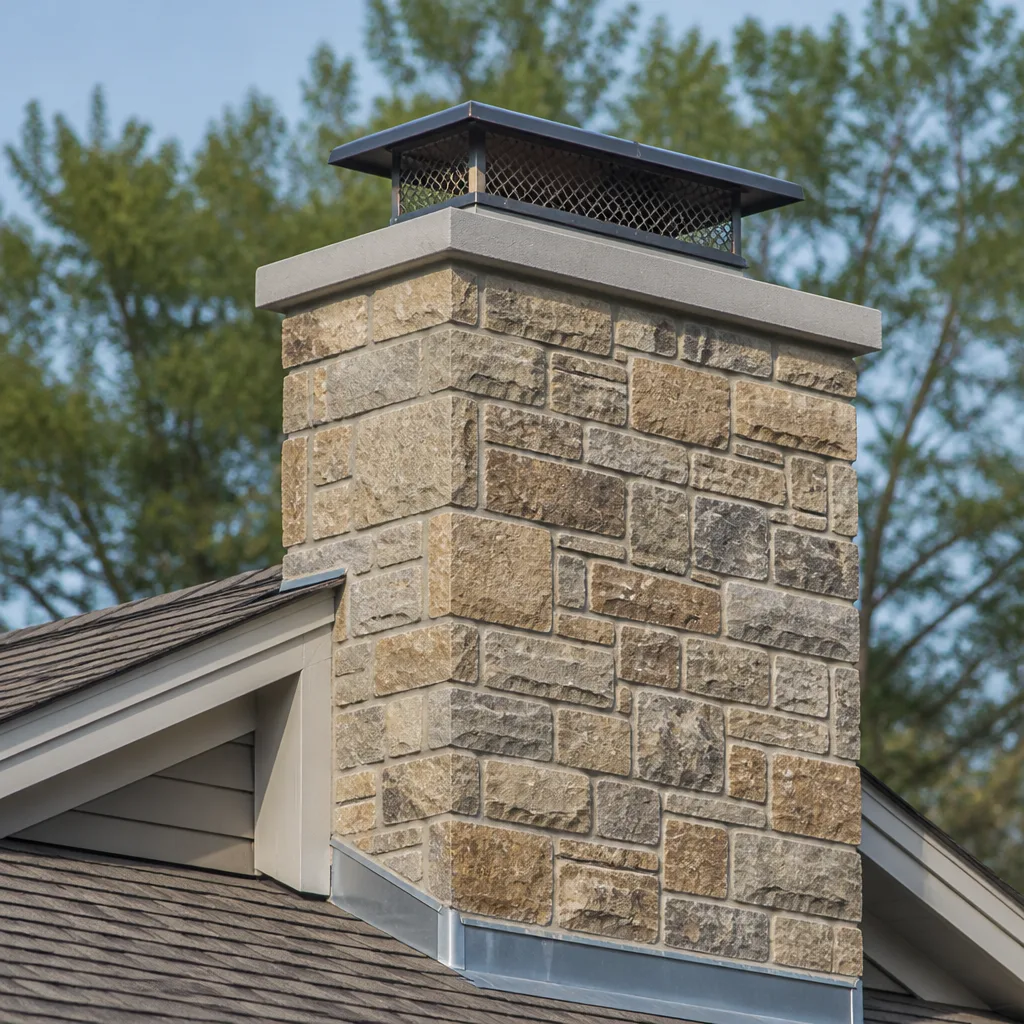 Caps & crowns
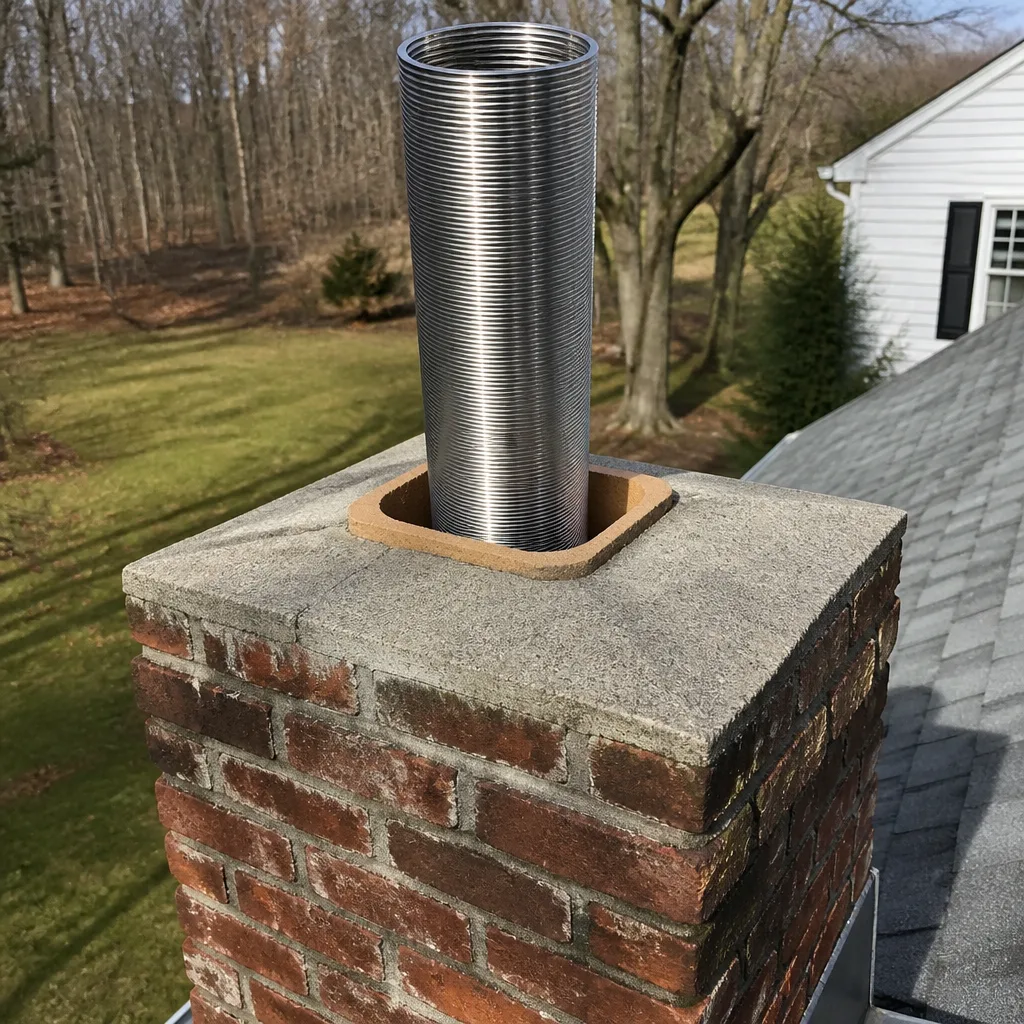 Flue relining
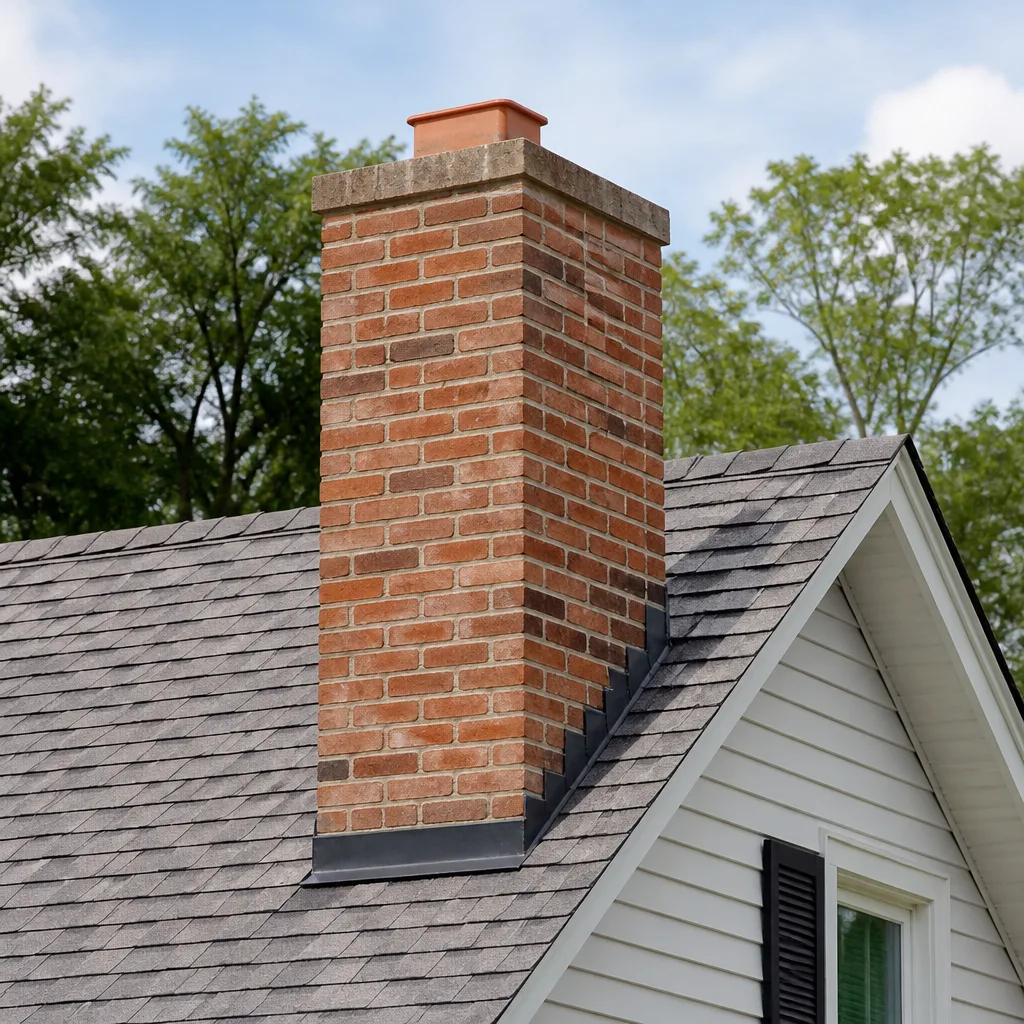 Masonry repair
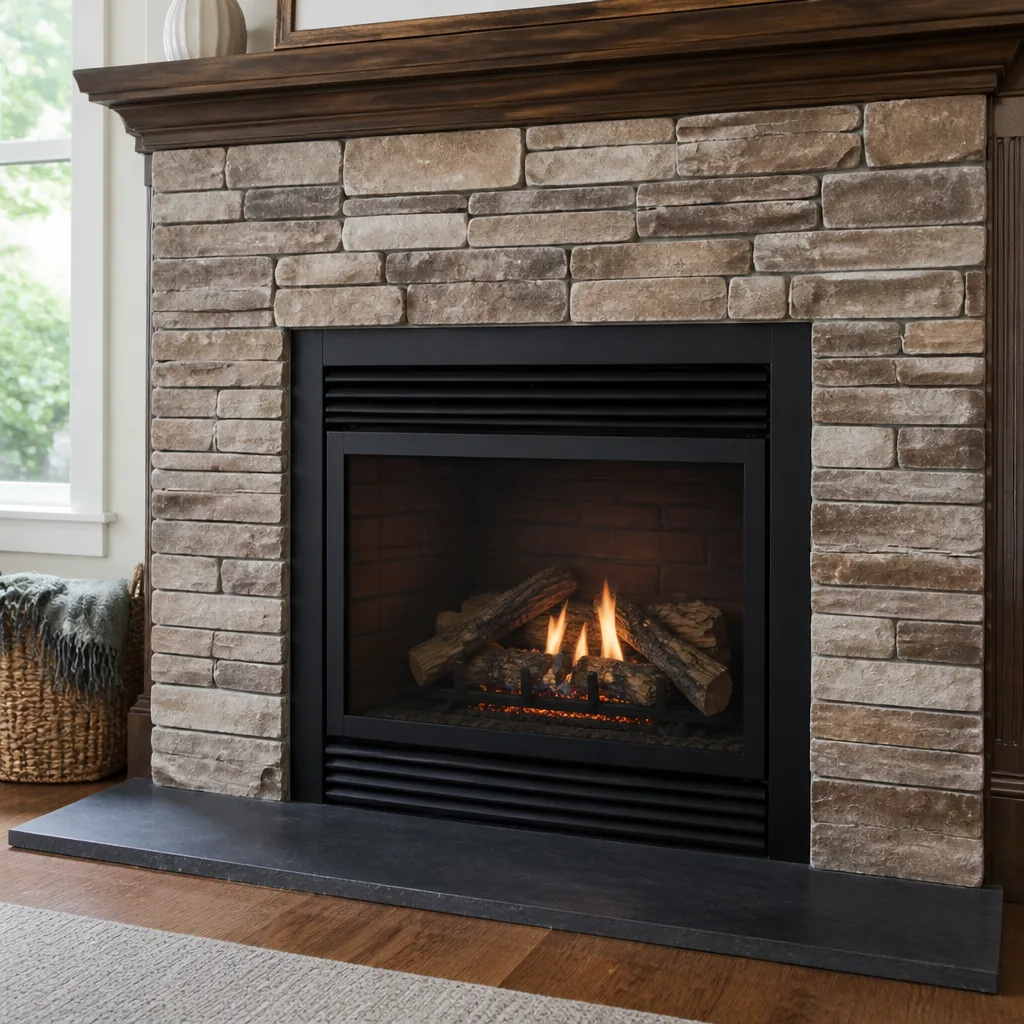 Gas fireplace service
Level 1 sweep and inspection to the NFPA 211 annual standard - flue, crown, cap, and flashing checked and photographed
Chimney sweep logs do not sweep chimneys. They loosen some creosote - which then falls where a brush and vacuum still have to collect it.
Chimney Sweep Maintenance Checklist for Manchester Homeowners
Most homeowners think the annual sweep is the whole checklist. In practice, the sweep is a single line item. The chimney cap is usually the first thing to fail through a Manchester winter, and it’s the last thing anyone looks at until water is already staining the ceiling. A cracked or missing cap lets rain and snowmelt straight into the flue, and from there the damage moves quietly: the crown, the mortar joints, the smoke chamber lining. This guide is a component-by-component checklist, not a calendar reminder. You’ll learn what to look at yourself, what to photograph and date, how much wood burned in a season should trigger an inspection, and which conditions after an ice storm or a tremor warrant a call.
Quick Answer
A chimney maintenance checklist in Manchester should cover seven components: the cap, crown, flashing, mortar joints, smoke chamber, damper, and firebox, each checked against an observable condition rather than the calendar alone. Get a professional sweep and inspection once a year, and add an unscheduled inspection after any ice storm, chimney fire, or when you’ve burned more than a cord of wood. The dryer vent runs on the same seasonal logic and deserves its own check for lint and airflow.
Styles & brands we work with
- Sweep & inspection
- Caps & crowns
- Flue relining
- Masonry repair
- Gas fireplace service
Table of Contents
- Start at the Top: The Cap and Crown
- Flashing and Mortar Joints: The Water Path
- Smoke Chamber and Damper: What You Can’t See
- The Firebox: Wear You Can Actually Observe
- Setting Up a Log: Photos, Dates, and a Baseline
- Burn Frequency: The Cord-of-Wood Threshold
- The Other Flue: Dryer Vent Checklist
- After an Ice Storm or Seismic Activity
Start at the Top: The Cap and Crown
The chimney cap and crown are the first line of defense against everything Manchester weather throws at a roof, and they’re the most neglected. The cap is the metal hood over the flue opening. The crown is the concrete or masonry slab that slopes away from the top of the chimney. Together they shed rain and snow and keep animals and debris out. When either fails, water enters the flue and the damage spreads downward through the same components on this checklist.
What to look for on the cap
- Rust or corrosion on the metal, especially the mesh screen
- Bent or collapsed screening that leaves gaps birds and squirrels can enter
- A cap that sits crooked or has pulled loose from its fasteners
- Missing caps entirely on an unused flue, which is common on multi-flue chimneys
What to look for on the crown
- Visible cracks running across the top surface
- Spalling, where chunks of concrete have flaked off
- Areas where the crown has pulled away from the flue tile, leaving an open seam
- A crown that slopes toward the flue instead of away from it, which channels water inward
You can inspect the cap and crown from the ground with binoculars. Don’t get on a snowy or icy roof to look closer. Height work on a Manchester roof in winter is a job for someone with fall protection and the right equipment, and it’s a good reason to have the sweep look while they’re already up there. Anything that requires the roof gets handled safely, and that’s part of the value of a professional visit. More on scheduling that visit is in our guide to a chimney sweep.
Flashing and Mortar Joints: The Water Path
Flashing is the metal or membrane seal where the chimney meets the roof. Mortar joints are the lines between the bricks or stones that make up the chimney itself. Both are water-entry points, and both fail gradually while looking fine from the living room. Manchester’s freeze-thaw cycle is hard on masonry. Water seeps into a hairline crack, freezes, expands, and widens the crack each time the temperature drops, so a small flaw in October becomes a real pathway by February.
Flashing signs you can check from the roofline or ground
- Curling, lifting, or separated flashing at the roof-chimney junction
- Rusted or corroded step flashing on older Manchester homes
- Water staining on the ceiling or chimney breast after a heavy rain or snowmelt
- Dampness or efflorescence, the white powder, on the chimney’s exterior brick
Mortar joint signs
- Crumbling or receding mortar between bricks, called mortar joint deterioration
- Visible cracks that run along the joint lines
- Loose or flaking brick faces, called spalling brick
- White staining or efflorescence that returns after it’s wiped clean
Cracked flashing and deteriorating mortar are why we don’t stop at cleaning. Once a technician identifies a leaking joint or a failing crown, the repair can be scheduled without a second contractor, and the same product quality carries through both. We’re stocked on HeatShield for liner restoration when the water damage has reached the inside, which lets us address the source and the result rather than just one of them.
Smoke Chamber and Damper: What You Can’t See
The smoke chamber is the tapering section just above the damper, and the damper is the metal plate you open and close to control draft. You can’t inspect the smoke chamber from the fireplace. It’s an internal component that needs a technician with a camera. The smoke chamber is a common failure point for creosote buildup, and in older Manchester homes it’s often rough and unlined, which gives creosote a surface to cling to. That buildup is a fire risk.
Damper checks you can do yourself
- Reach up into the fireplace and find the damper handle.
- Open and close it fully. It should move smoothly, without sticking or grinding.
- Check that it seats flat when closed and opens fully when you light a fire.
- Look for rust or debris that would stop it from sealing.
- Open it before every fire, and confirm the chimney draft is pulling smoke up and out, not into the room.
A damaged smoke chamber or a damper that won’t seal is one of the conditions that needs a closer look rather than a homeowner fix. The camera inspection is how we see what’s actually going on inside, and it’s how we show you, so you’re not taking our word for a job you can’t verify.
The Firebox: Wear You Can Actually Observe
The firebox is the chamber where the fire burns. You can see it directly, and you can catch a lot of deterioration before it becomes a repair. The firebox takes the most heat of any component, so the masonry or liner panels erode over time. Look for these signs each season:
- Open or widening cracks in the firebox walls or floor
- Crumbling mortar between the firebrick
- Missing or loose firebrick
- A fireback panel that’s cracked or has separated from the wall
- Any gap where heat could reach the structure behind the firebox
Small surface cracks are common and not always urgent. Open joints or displaced firebrick are the ones that let heat reach framing. That’s a strong reason to have a technician assess it before the next burn season, not after. And if you have a gas insert or wood stove, the firebox inspection works the same way, but the flue and appliance connections also need checking, which is part of a full inspection.
If you’ve never had your system assessed, that’s the most useful first step you can take. Our Manchester Chimney Cleaning team handles the inspection, cleaning, and any repair that comes out of it, so the problem gets identified and fixed by the same crew.
Setting Up a Log: Photos, Dates, and a Baseline
A maintenance log turns vague memory into a real record. A technician can establish a baseline from your photos and track deterioration season to season, which is far more useful than “I think it was fine last year.” The log doesn’t require expertise, just consistency. Here’s how to set one up:
- Pick one date each season to inspect and photograph, and write it down.
- Photograph the cap and crown from the ground or roofline with your phone zoomed in, date-stamp on.
- Photograph the flashing where it meets the roof, if visible from a safe vantage point.
- Photograph the firebox interior and the damper in both open and closed positions.
- Note the date of the last professional sweep and inspection.
- Note any water stains, ceiling discoloration, or smells, with the date they first appeared.
- Note the amount of wood burned over the season, and the cords.
Bring the log to your next appointment. A technician can look at the current state against your earlier photos and tell what’s changed, which saves time and money over guessing.
Burn Frequency: The Cord-of-Wood Threshold
The calendar isn’t the only trigger for an inspection. What matters is how much you’ve burned. A cord of wood is the standard benchmark: if you’ve burned a cord or more since the last sweep, it’s time for an inspection even if the year isn’t up. A heavily used fireplace or wood stove builds creosote faster than a decorative one, and a busy heating season can put you past the safe interval well before twelve months.
Burn volume as a trigger
- Under a cord and burning occasionally: annual inspection still applies
- A cord or more: inspection at or before the one-year mark, every season you reach it
- Burning green or unseasoned wood: inspect sooner, since it produces more creosote
- Any chimney fire, however small: inspect immediately, not at the next annual date
Manchester winters encourage heavy burning, and a wood stove used as a primary heat source will hit the cord threshold quickly. Log the cords each season so you know where you stand. If you’re not sure whether creosote has built to a dangerous level, a professional inspection answers that with a camera and a report, not a guess.
The Other Flue: Dryer Vent Checklist
Most homes have two fire-risk flues: the chimney and the dryer vent. The same seasonal logic applies to both. Lint builds up in the dryer vent the way creosote builds in the chimney, and the more loads you run, the faster it accumulates. A clogged vent restricts airflow, and an overheating dryer is a real hazard. The checklist here is short but worth doing each season.
Basic airflow test
- Run the dryer on a normal cycle with nothing in it.
- Go outside and feel the air coming from the vent hood. A weak or absent flow means a likely clog.
- Check that the exterior vent flap opens fully when the dryer runs.
- Look for lint accumulation around the hood and behind the dryer.
- Note whether clothes take longer to dry than they used to.
If the flow is weak or a load takes far longer than it used to, that’s your cue to call. We use Famco dryer vent products for the cleaning and any repair, so the fix uses purpose-built materials rather than improvised parts. If your dryer vent hasn’t been cleaned in a while, our dryer vent cleaning service addresses the other major residential flue in one visit. One crew, one call, both flues handled by the same specialist.
After an Ice Storm or Seismic Activity
Two conditions warrant an unscheduled inspection even if your annual one isn’t due: a significant ice storm and seismic activity. Manchester sees real freeze-thaw cycles and ice loading on roofs, and any structural movement from an earthquake, however minor, can open cracks in masonry. These aren’t the first things homeowners think to check, which is exactly why they make the list.
Ice storm triggers
- Ice damming or heavy ice load on the roof near the chimney
- Visible displacement or cracks in the crown or cap after the storm
- New water staining inside after snowmelt
- Fallen debris or a damaged cap after wind and ice
Seismic triggers
- Any felt tremor, even a light one, if the chimney is older masonry
- New cracks in the mortar or flashing you didn’t have before
- A cap or crown that looks shifted or out of alignment
The check is the same as the annual one, just on an off-schedule basis. If something moved, a camera inspection and a look at the exterior will tell you whether it’s a repair or a wait. We’re equipped with Gelco and Olympia Chimney products, so any repair component matches what the industry uses on this type of job. If you’re in the area and want the full picture of what we cover, our Manchester service page lays out the range.
Common Mistakes to Avoid
- Skipping the cap and crown. Homeowners focus on the firebox and forget the top of the chimney, where water damage usually starts in a Manchester winter. A cracked cap or crown lets water in all season and is rarely caught until there’s interior staining.
- Waiting for the calendar instead of the cord count. The annual reminder is a floor, not a ceiling. If you’ve burned a cord or more of wood, inspect regardless of the month, because creosote builds with use, not with the date.
- Assuming a sweep is a full inspection. A sweep cleans; an inspection checks the cap, crown, flashing, joints, smoke chamber, damper, and firebox. Ask for the inspection, not just the cleaning.
- Ignoring the dryer vent. Lint buildup in the dryer vent is a fire risk that runs on the same seasonal logic as the chimney. A quick airflow test catches most problems before they get serious.
- Sticking to the annual date after an ice storm or tremor. Ice loading and seismic movement can open cracks in masonry outside the normal schedule. Inspect after these events, not only on the usual date.
- Going up on an icy roof yourself. Climbing a snowy or icy roof to inspect the cap is a real fall hazard. Ground-level observation with binoculars and a professional roof check are safer and more accurate.
- Not keeping a log. Without dated photos, you can’t tell whether a crack is new or has been there for years. A simple photo log lets a technician track deterioration season by season.
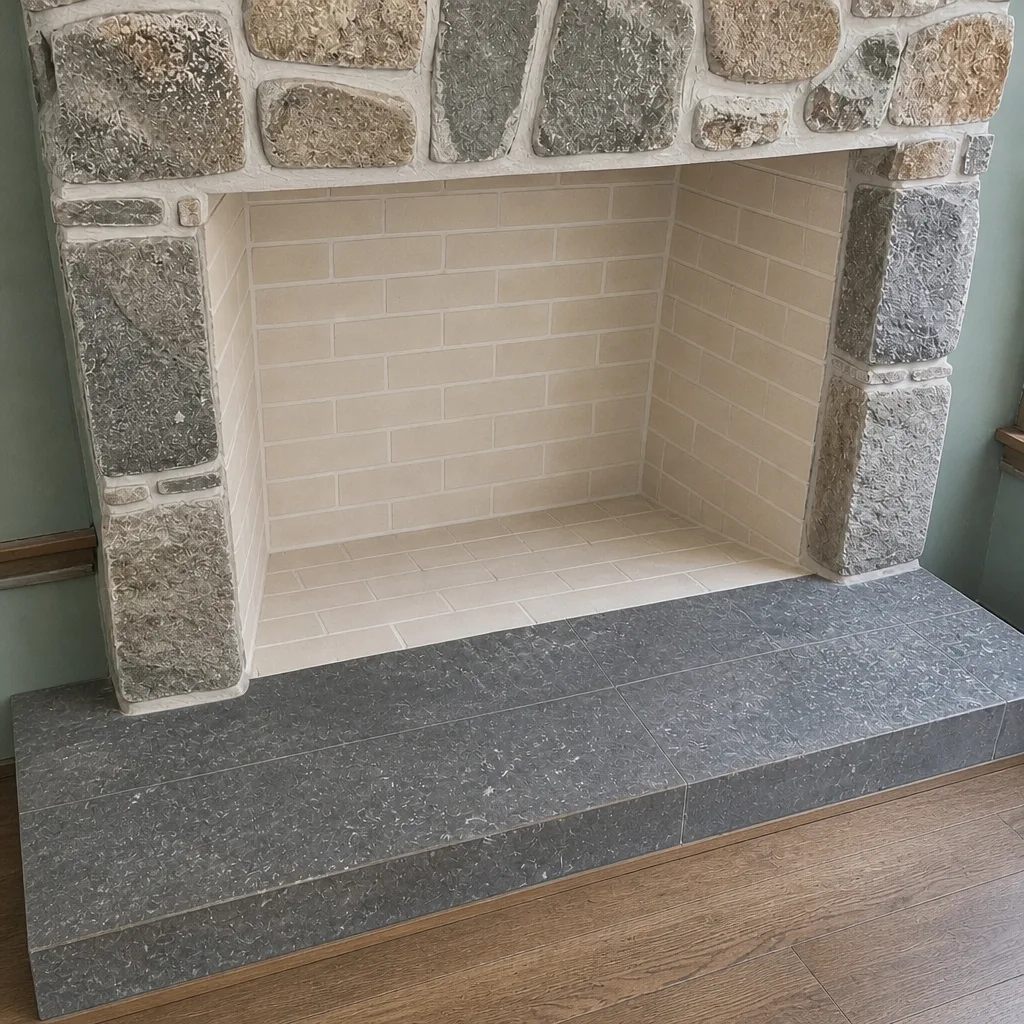
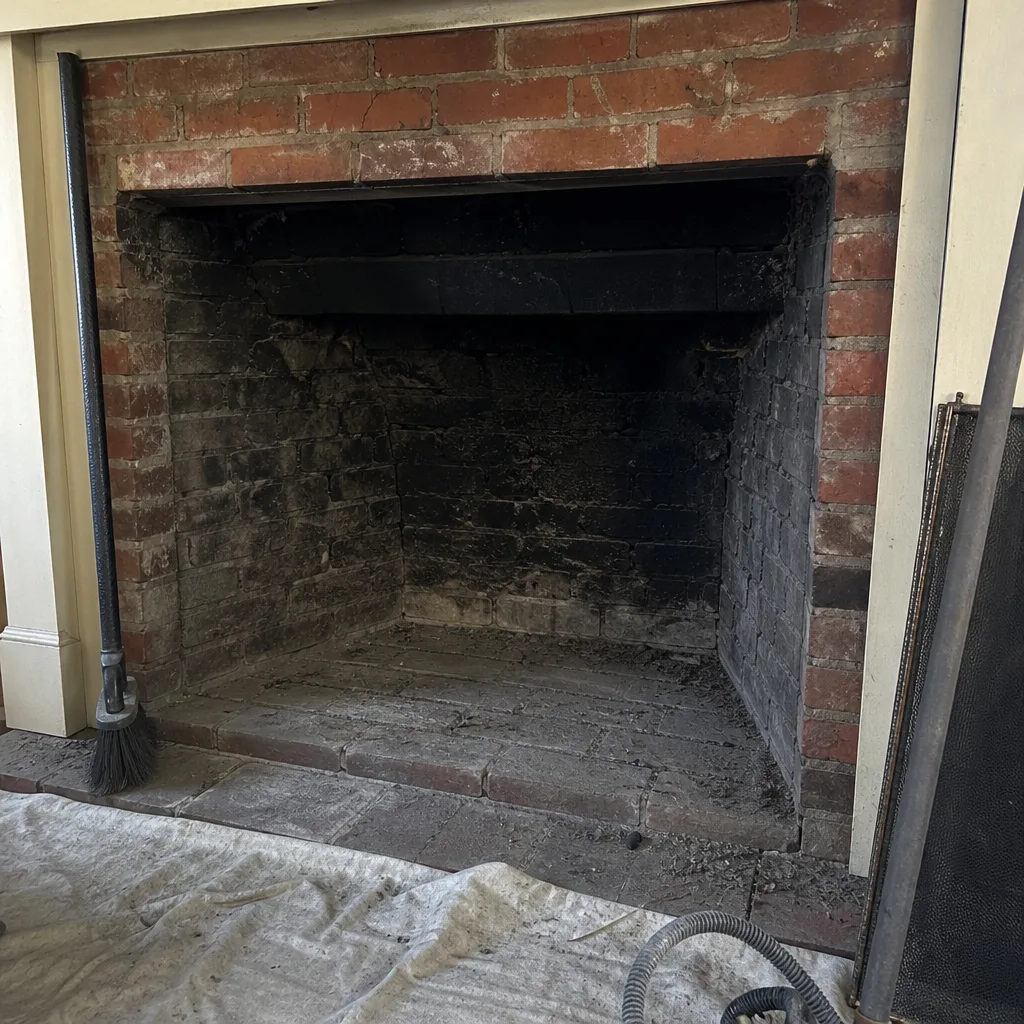
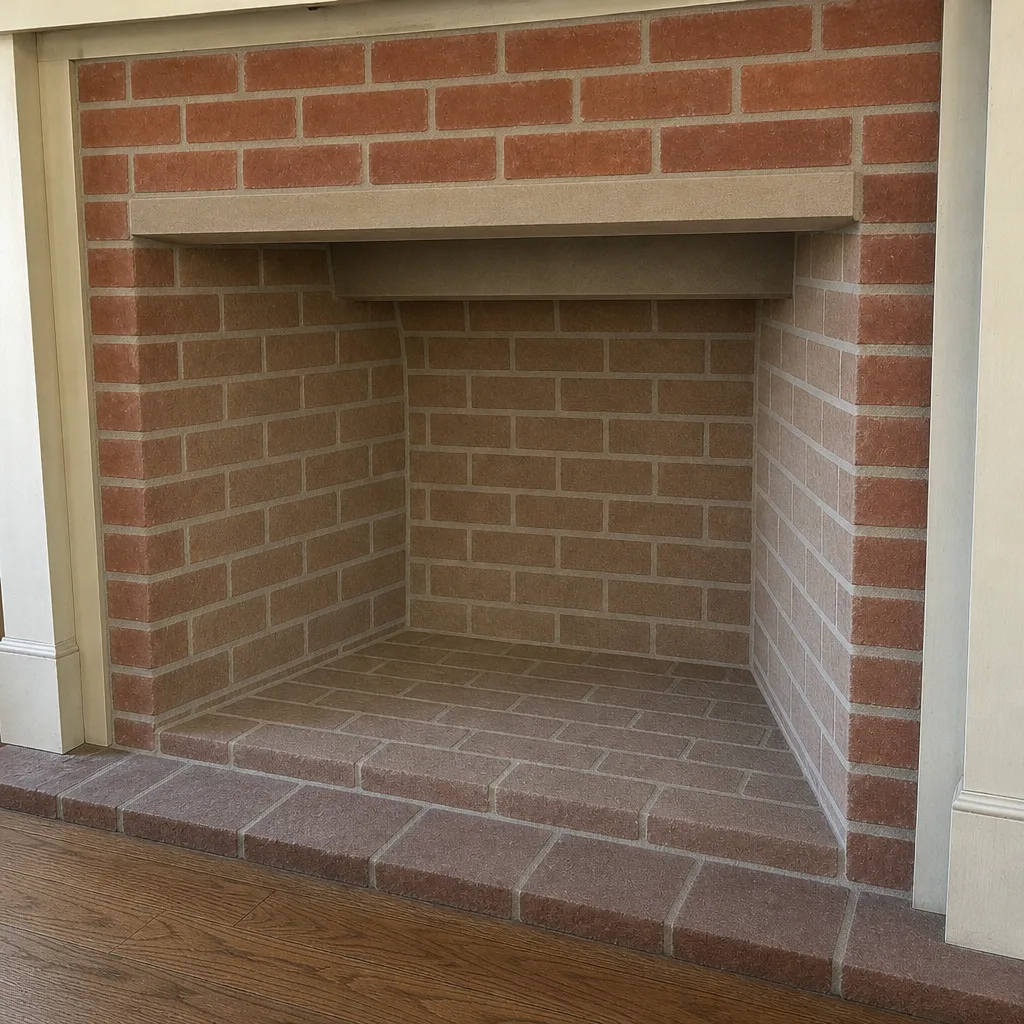
See the difference
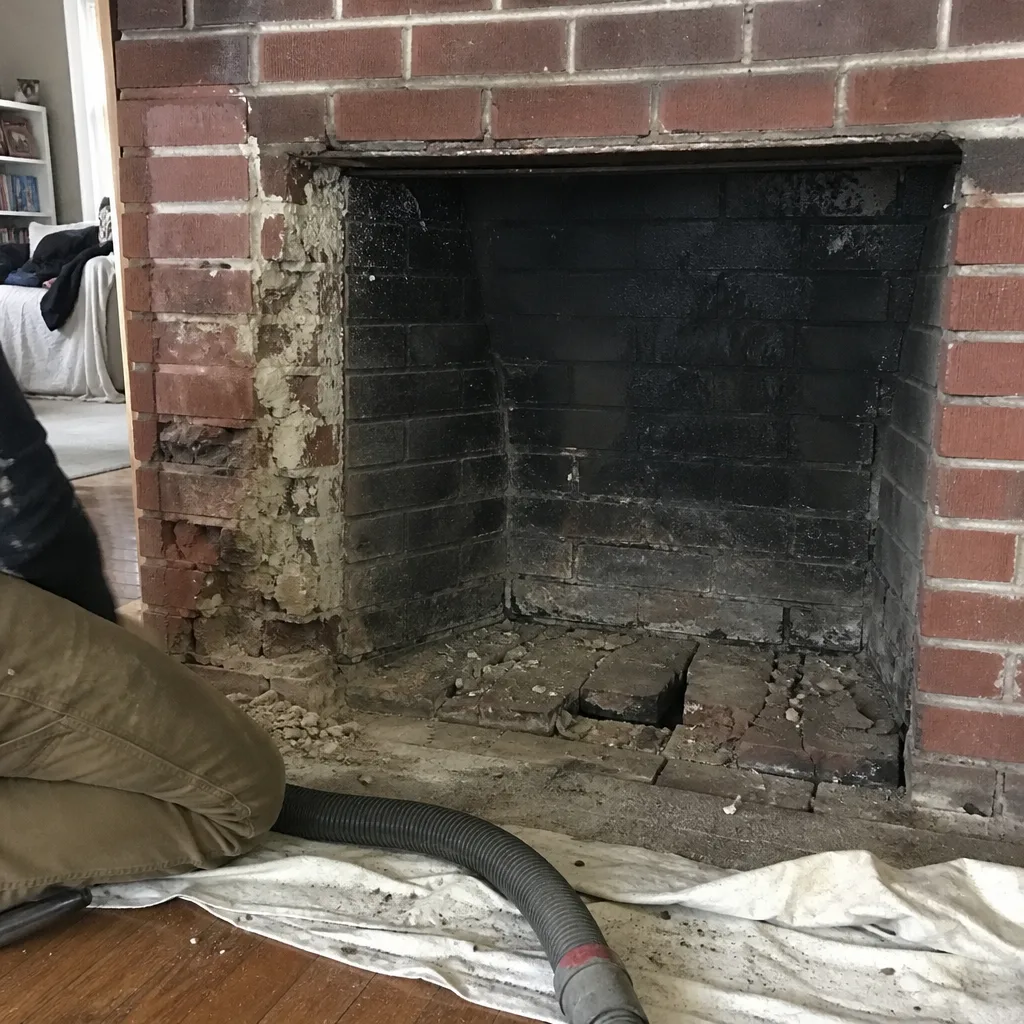 Before
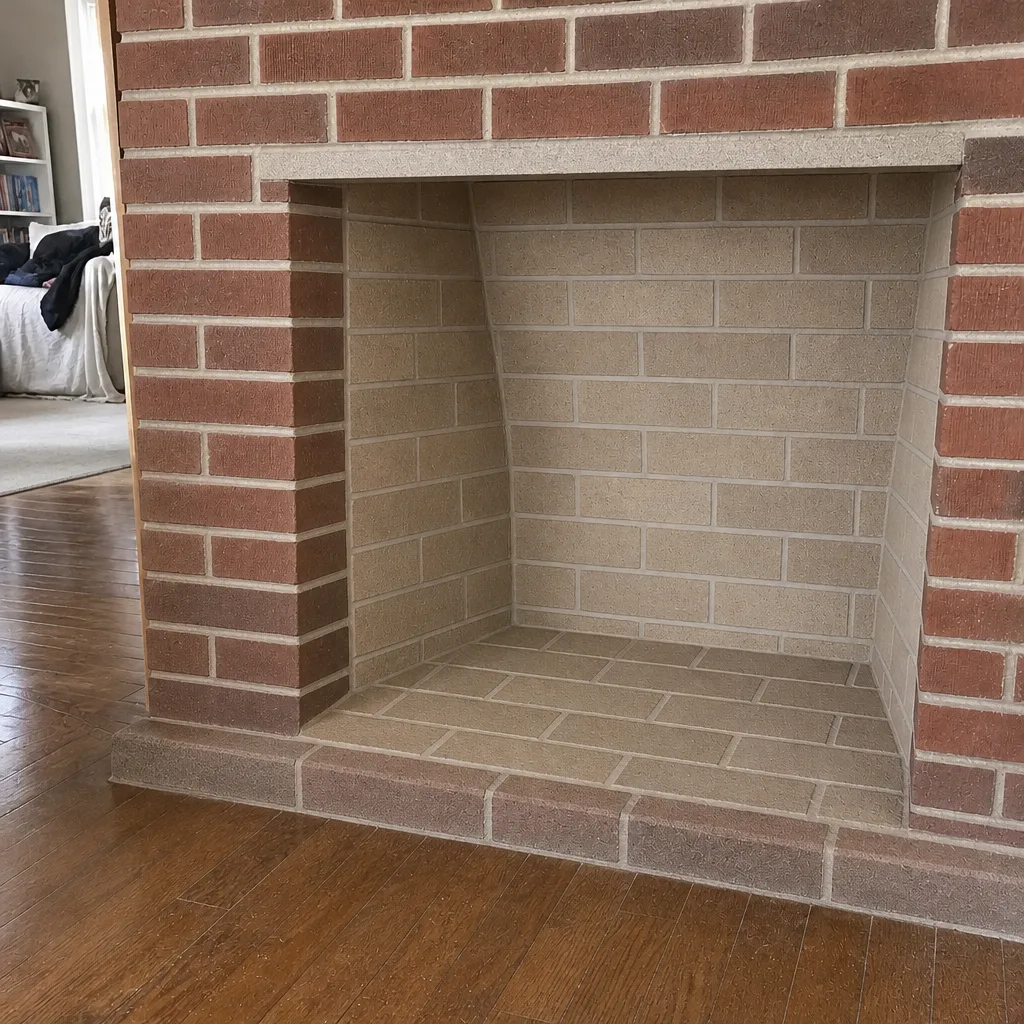 After
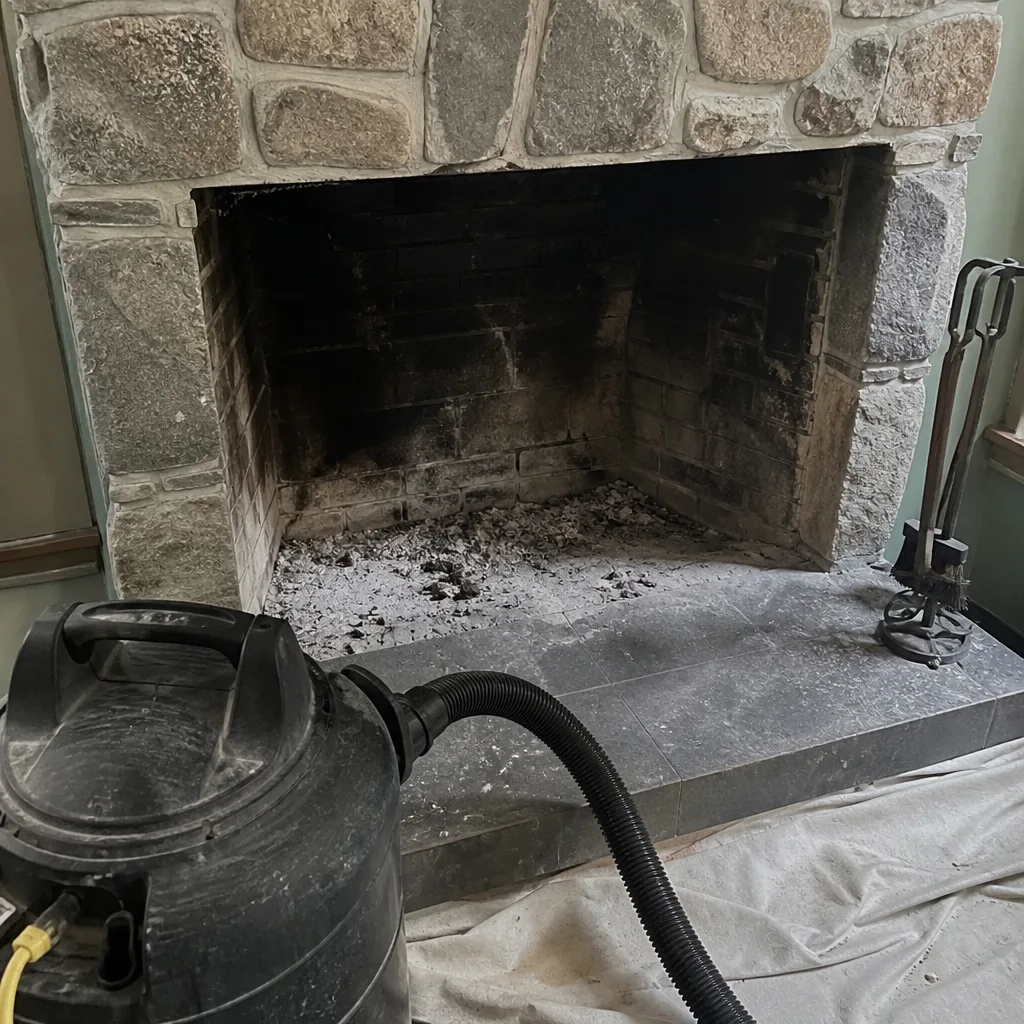 Before
 After
 Before
 After
When to Call a Professional
Some items on this checklist are yours to watch, and some are a call. Call a professional if you spot a cracked or missing cap, a separating crown, open mortar joints, or a firebox with displaced firebrick. Call after any chimney fire, after an ice storm or felt tremor if the masonry looks changed, and whenever you’ve burned a cord or more since the last sweep. Call if the damper won’t seal or the smoke chamber has a smell you can’t place. And call if you’ve never had the system inspected, because the first visit establishes the baseline everything else is measured against. Manchester Chimney Cleaning offers free estimates in Manchester. Call (888) 804-9712. We answer 24/7. Fast dispatch from 7am to 7pm, Sunday through Friday.
Frequently Asked Questions
Once a year for most homes, and sooner if you’ve burned a cord or more of wood since the last sweep. The annual sweep and inspection is the baseline. Heavier burning, green wood, and any chimney fire move that date up. Call (888) 804-9712 for an exact timing recommendation for your system, and estimates are free.
It covers the cap, crown, flashing, mortar joints, smoke chamber, damper, and firebox, checked against condition, not just the calendar. A technician uses a camera for the parts you can’t see and reports what they find. If something needs repair, it’s scheduled with the same crew. Call (888) 804-9712 for an inspection.
Yes. Even light use warrants the annual inspection, because the cap, crown, flashing, and mortar degrade from weather regardless of how often you light a fire. Manchester’s freeze-thaw cycle affects the masonry all year. Call (888) 804-9712 to schedule the annual check, and estimates are free.
The cap and crown. They’re the first to fail in a Manchester winter and the last most homeowners check. A cracked cap or crown lets water into the flue and starts damage that spreads downward to the mortar and smoke chamber. Check with binoculars from the ground, then call (888) 804-9712 for a professional look.
Run the dryer with nothing in it and feel the flow from the exterior vent hood. Weak or absent airflow, a flap that won’t open, or longer dry times all point to a clog. Call (888) 804-9712, and estimates are free.
Don’t climb the roof. Check the cap and crown from the ground with binoculars, look for interior water stains, and call for an inspection if anything looks shifted or cracked. Ice loads and movement can open masonry cracks that aren’t visible from the living room. Call (888) 804-9712 and estimates are free.
The Bottom Line
A chimney maintenance checklist works when it’s tied to components and conditions, not a single annual date. Watch the cap and crown first, then the flashing, mortar, smoke chamber, damper, and firebox. Photograph and date what you see so a technician can build a baseline and track what changes. Inspect when you’ve burned a cord, after an ice storm, and after any tremor. Run the same logic on the dryer vent, the second fire-risk flue in most homes. When a component needs more than observation, having one crew for cleaning, repair, and both flues makes the follow-through simple.
If anything on this checklist left you with a question, or you’re ready to get the system inspected, call us. We handle the full arc from annual sweep to liner restoration, use professional-grade materials on every job, and serve Manchester with a straightforward approach to what your chimney actually needs and what can wait. We identify the problem and fix it.
Call (888) 804-9712 for a free estimate. We answer 24/7. Fast dispatch from 7am to 7pm, Sunday through Friday.
Written by the team at Manchester Chimney Cleaning, serving Manchester since 2012.