
Last updated November 14, 2026
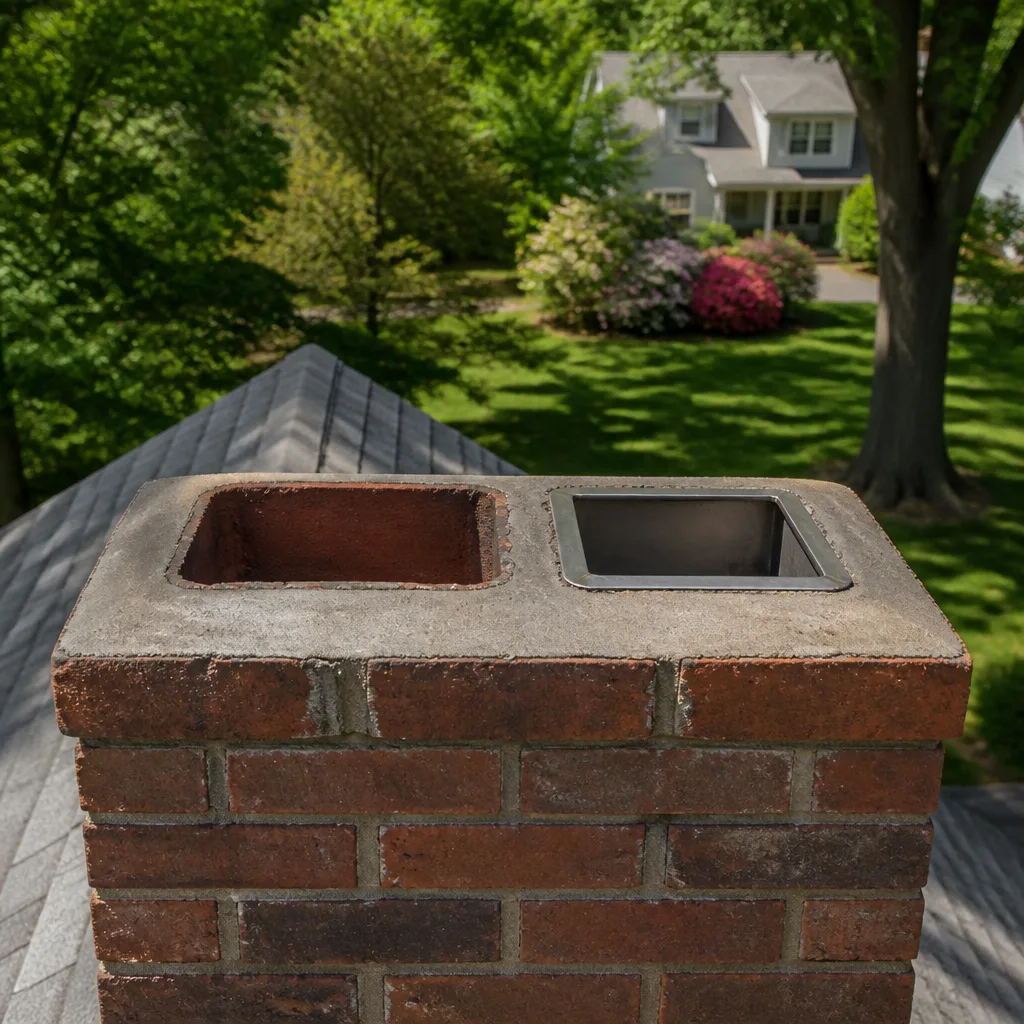 Sweep & inspection
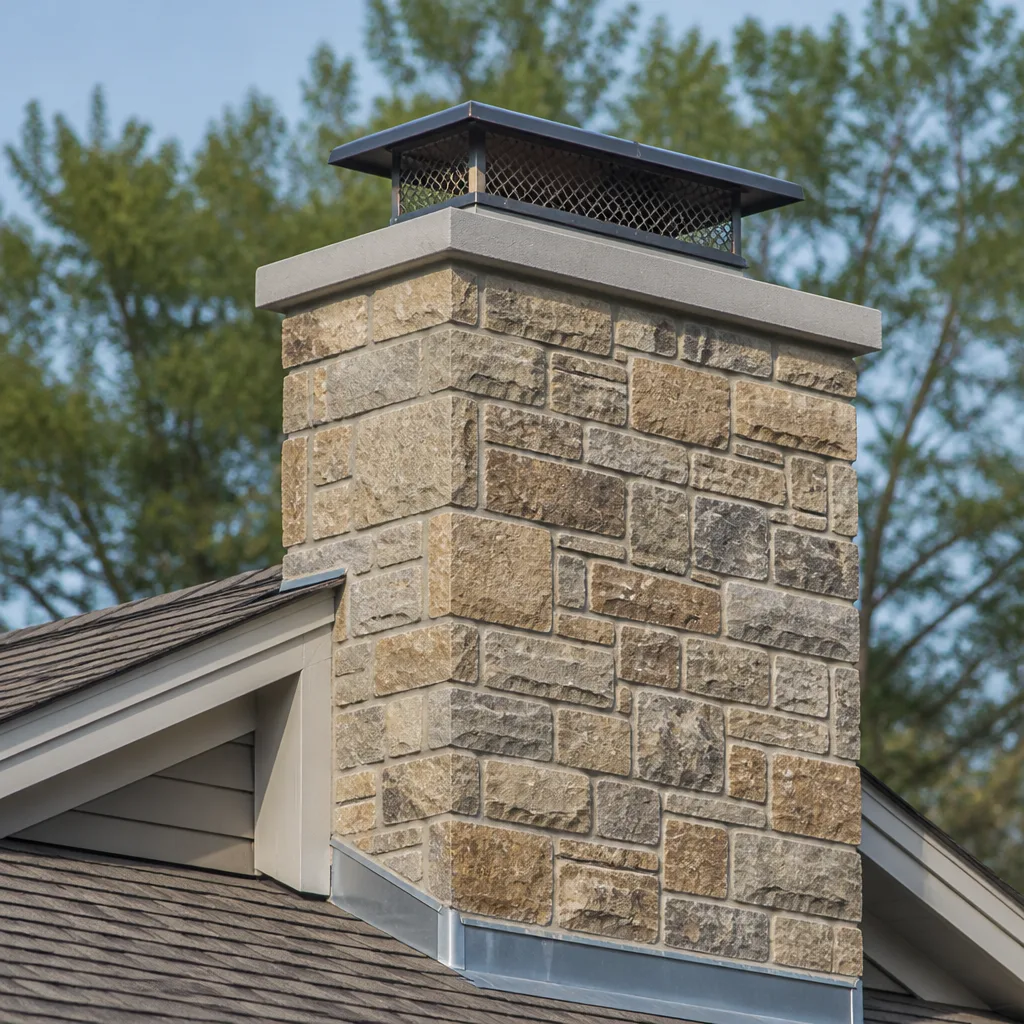 Caps & crowns
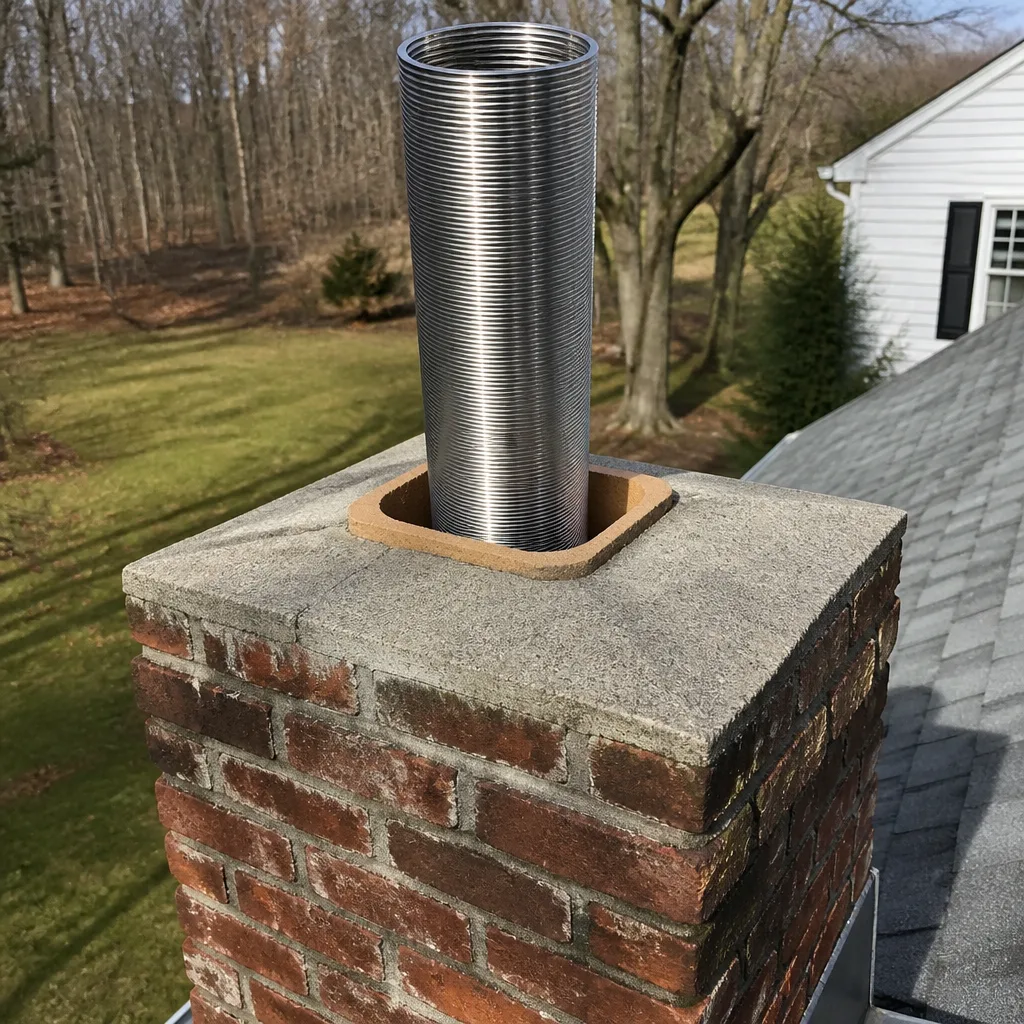 Flue relining
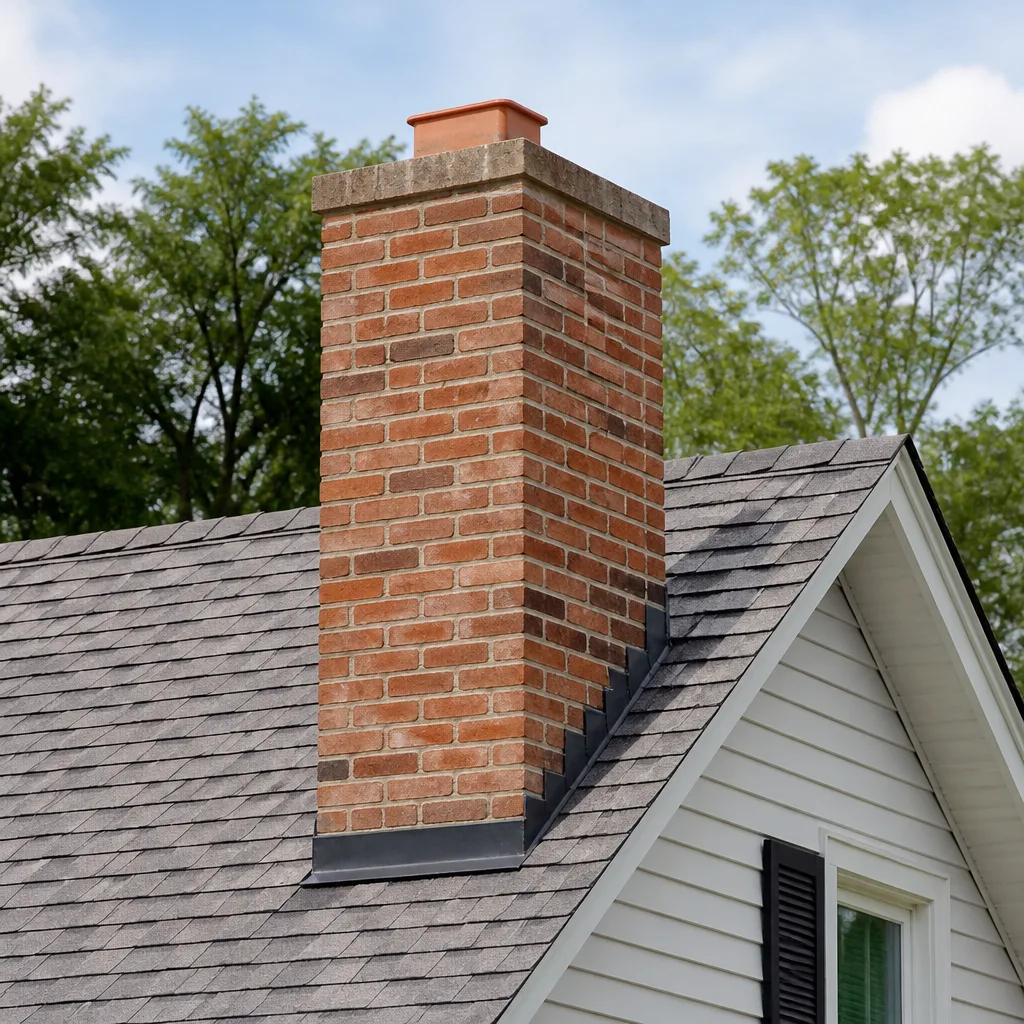 Masonry repair
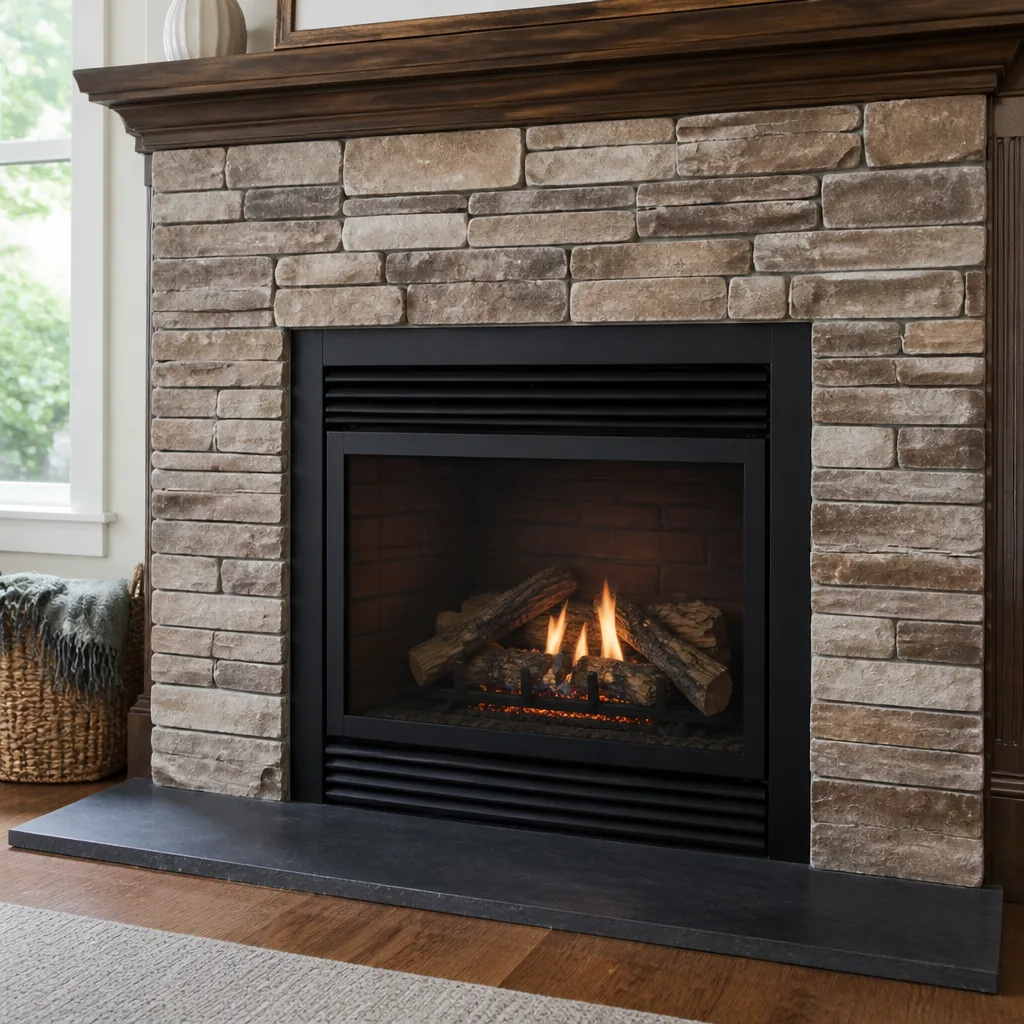 Gas fireplace service
Level 1 sweep and inspection to the NFPA 211 annual standard - flue, crown, cap, and flashing checked and photographed
Chimney sweep logs do not sweep chimneys. They loosen some creosote - which then falls where a brush and vacuum still have to collect it.
Chimney Cleaning Warning Signs: A Manchester Homeowner’s Reference Guide
Most people assume a smoky fireplace means the flue is dirty. Sometimes it is. Just as often, the smoke is backing up because a bath fan, a kitchen exhaust, or a competing furnace flue is pulling pressure out of the room, or because weatherstripping and a tight modern house have starved the fire of the air it needs to draft. Calling for a sweep when the real problem is pressure leaves the smoke right where it was. The point of this guide is to pair each warning sign with the condition it actually points to, so you can judge urgency for yourself. You’ll learn what staining, odor, smoke behavior, and sounds each tend to mean, and which symptoms mean stop lighting fires until someone looks.
Quick Answer
Chimney problems show up as stains, smells, smoke behavior, and sounds, and each one points to a different underlying condition. White efflorescence on brick usually means water is moving through the masonry, rust on a cap or damper points to moisture inside the flue, and a sharp creosote smell with heavy smoke rollback points to a buildup that needs cleaning before the next fire. Hard stop-use signs are a strong chemical smell, soot flakes falling into the firebox, or visible cracks in the flue: get those inspected before you light another fire.
Styles & brands we work with
- Sweep & inspection
- Caps & crowns
- Flue relining
- Masonry repair
- Gas fireplace service
Table of Contents
- What Are the Most Common Chimney Warning Signs?
- What Do Stains and Discoloration on a Chimney Actually Mean?
- What’s That Smell? Creosote, Animals, and Damp Masonry
- Smoke Behavior: When It’s Cleaning and When It’s Draft
- Sounds From the Flue: Animals, Dampers, and Liner Movement
- The Stop-Use Threshold: When Not to Light Another Fire
- How Often Should a Chimney in Manchester Be Swept?
- The Second Flue: Dryer Vent Warning Signs
What Are the Most Common Chimney Warning Signs?
Most chimney trouble announces itself before it becomes a repair bill, and the signs fall into four groups: what you see, what you smell, how smoke behaves, and what you hear. Grouping them this way matters because a single sign on its own is rarely decisive, while two or three together usually point to one clear condition. Here in Manchester, we see the same handful of signs repeat across older housing stock where flues were built decades before the appliances now connected to them.
Here’s the short list of what to watch for:
- Stains and discoloration: white powder on brick, rust on metal parts, flaking brick faces, dark streaks on the crown.
- Odor: creosote, animal musk, or a damp musty smell when the fireplace is cold.
- Smoke behavior: rollback into the room, a slow lazy draw, or a puff of smoke on startup.
- Sounds: scratching, tapping, or a metallic pop when the fire is heating up.
- Debris: soot flakes, black specks, or pieces of masonry landing in the firebox.
The seasons matter too. A flue that drafted fine in October can struggle in the dead of a Manchester winter, when cold dense air and a house sealed tight against the weather change the pressure balance inside the home. That’s why a symptom that only shows up in January is often a pressure or draft issue rather than a dirty flue. A professional chimney sweep will check both, so you aren’t paying for a cleaning that doesn’t solve the problem.
What Do Stains and Discoloration on a Chimney Actually Mean?
Every stain has a specific cause, and the cause tells you whether you’re looking at a cleaning, a repair, or just a maintenance item. This is the part of the guide that saves the most guesswork. Rather than treating all discoloration as “the chimney is dirty,” match the mark to the condition below.
- White, chalky powder on the brick (efflorescence): water is passing through the masonry and leaving mineral salts behind as it dries. That points to a moisture path, not a soot problem. Left alone, it’s the first step toward spalling.
- Rust staining on the cap, damper, or top plate: moisture is getting into the flue from above or condensing inside. A rusted damper may stop moving, and a rusted cap means water is entering where it shouldn’t.
- Spalling brick (faces flaking or popping off): the moisture has frozen and thawed repeatedly inside the brick. Manchester’s cycle of freezing winters and wet springs is hard on exterior masonry, and spalling means the brick itself is starting to fail.
- Dark streaks on the crown or the flue top: this can be normal soot staining, but it also shows where smoke has been escaping past a failing crown seal or back-drafting at the top of the stack. A heavy, oily black streak usually points to creosote that has migrated up and out.
If the stains are recent and the brick beneath is intact, moisture is the likely suspect and the fix is often in the crown, flashing, or cap. If the brick faces are flaking, the masonry has taken on damage. Either way, a look at the flue with a camera tells you the condition inside rather than guessing from the outside. We handle this in Manchester with the same Manchester Chimney Cleaning crew that will do any repair, so nothing is handed off to a second contractor.
What’s That Smell? Creosote, Animals, and Damp Masonry
Smell is the most misread warning sign, because three very different problems can produce “something smells off near the chimney.” The way to sort them is by when you notice the smell and what it resembles. Each of these requires a different response, and getting the diagnosis right is what stops you from paying for the wrong visit.
Creosote smell
A sharp, tar-like, smoky smell that’s strongest on warm days or when the house is closed up. It usually means there’s a creosote layer in the flue, and warm weather loosens the odor. That’s a cleaning issue. Creosote is also the fuel for most chimney fires, so a strong smell paired with heavy smoke rollback is a reason to book a sweep before the next fire.
Animal intrusion odor
A musky, ammonia-like, or plainly “animal” smell, often worse when the fire has been cold for a while. Birds, squirrels, and raccoons move into uncapped flues, and their nesting material and droppings collect on the smoke shelf. This needs the animal removed and the flue cleaned and capped, not just a deodorizer. A cap is the easy preventive fix, and it’s the first thing to check if you’ve never had the top of the flue looked at.
Water-in-masonry mustiness
A damp basement or attic smell, no animal odor and no tar. That’s moisture in the masonry, usually tied to a failing crown, flashing, or cap. The fix is waterproofing and repair, not cleaning, because no amount of sweeping dries out wet brick.
If you can’t tell which smell you have, say so when you call. We’ll ask where and when you notice it, and a camera inspection shows exactly what’s inside the flue. Material choice matters on the fix, and we use professional-grade product lines like HeatShield for liner restoration so the repair matches the condition rather than defaulting to a full reline.
Smoke Behavior: When It’s Cleaning and When It’s Draft
Smoke tells a story if you read it right. There’s a real difference between a flue that’s simply overdue for a sweep and one that has an appliance or pressure problem, and the two need different solutions. Slow draw and rollback can look identical from the couch, but they usually have different causes.
Billowing smoke with a hard time starting
If the fire struggles to catch and then smokes heavily, the flue may be blocked or heavily coated. This is the classic cleaning issue, and a sweep with a camera check confirms it. A blocked flue is also a carbon monoxide risk, so don’t keep lighting fires hoping it will clear.
Slow, lazy draw
The fire burns but the smoke hangs low and drifts rather than rising. Often that’s a flue that’s slightly undersized for the appliance, a flue that’s cold, or a house that has become too airtight thanks to new windows and weatherstripping. It’s a draft and makeup-air issue more than a soot issue, though a partial blockage can mimic it.
Puffs of smoke into the room on startup (downdrafting)
A puff or two when you first light the fire is usually a cold-flue condition: the column of cold air has to warm before it starts rising. But if it happens every time, or smoke rolls back steadily, the cause is more likely a competing exhaust: a bath fan, a kitchen hood, or a furnace or water heater drawing air from the same space. The right answer there is a draft and pressure assessment, not another cleaning.
Smoke coming from more than one place
Smoke from the joints or seams of the flue, or from cracked masonry in an upper room, points to a flue that isn’t carrying smoke the way it should. That’s a repair and inspection matter. Stop using the fireplace until someone looks.
In our experience with Manchester homes, the smoke-on-startup complaint is the one most often misdiagnosed as “needs a cleaning.” We carry DuraFlex flexible liner systems so that if the flue itself is the problem, we can fix it with the same crew that inspected it.
Sounds From the Flue: Animals, Dampers, and Liner Movement
Noises in a chimney usually mean one of three things, and the timing tells you which. Sounds during a fire point to heat expansion or a damper problem. Sounds when the fire is cold point to animals or settling masonry. Taking a minute to place the sound can save you a diagnostic visit for the wrong issue.
- Scratching, rustling, or scuttling when the fire is cold: almost always an animal in the flue or on the smoke shelf. A cap and a cleaning resolve it, and it’s worth checking the roof cap before assuming anything else.
- A metallic clang or rattle when you open the damper: the damper blade or its frame has warped, rusted, or come loose. A damper that won’t seal wastes heat and lets cold air down the flue when the fireplace is idle.
- Ticking or popping as the fire heats up: metal components expanding. The chimney pipe and damper frame will tick as they warm, so occasional light ticking is normal. A loud, repeated pop or a rattle that keeps up throughout the burn can be a sign a liner or its connection is moving where it shouldn’t.
- Debris rattling down the flue: soot, glaze, or bits of masonry landing on the smoke shelf. That’s a cleaning and inspection signal, especially if it’s freshly happening.
Sounds alone rarely confirm a diagnosis, but paired with another sign they narrow it quickly. If you hear scratching plus smell an animal odor, that’s an animal. If you hear metallic movement plus see soot flakes, that’s a flue that needs a look before the next fire.
The Stop-Use Threshold: When Not to Light Another Fire
Not every concern is a stop-use sign, and overstating every warning is just as unhelpful as ignoring a real one. The honest answer is that most maintenance items can wait for a scheduled sweep. But there are specific conditions where the safe move is to hold off on lighting the fireplace until a technician inspects. This section draws the line clearly so you can judge for yourself.
Stop and get inspected if you notice any of these
- Soot flakes, black specks, or masonry pieces falling into the firebox.
- Smoke escaping from seams, cracks, or the face of the masonry rather than up the flue.
- Visible cracks inside the flue, or a flue that has been relined and is now showing gaps or separation at a joint.
- A strong chemical or solvent smell, which can point to a damaged liner or a creosote issue that needs professional attention.
- Steady smoke rollback that doesn’t clear once the fire is going.
- Any carbon monoxide alarm sounding. Leave the building and call for help before doing anything else.
These are maintenance items, not emergencies
- A creosote smell on a warm day, with a fire that otherwise drafts well.
- Efflorescence that you want assessed, as long as the brick is intact.
- A damper that sticks but still opens and closes.
- An occasional tick as the metal warms.
The difference is simple: anything that suggests the flue isn’t containing smoke or combustion gases is a stop-use sign; anything about maintenance and appearance can be scheduled. When in doubt, the camera decides. We recommend nothing we can’t show you, and we’ll tell you plainly when work can safely wait. Both your chimney flue and your dryer vent are worth checking together, since they’re the two flues most often overlooked.
How Often Should a Chimney in Manchester Be Swept?
For most homes with a wood-burning fireplace or stove, an annual inspection and a sweep when needed is the standard advice. The “when needed” matters: a light-use gas insert may go longer between cleanings, while a wood stove burning regularly can build creosote faster. The inspection tells you which situation you’re in.
Here in Manchester, plan around the burning season rather than the calendar year. Fall is when most homeowners think about the chimney, and it’s when a cold, tight house is starting fires again. The practical sequence looks like this:
- Book the inspection before the season starts. A camera inspection shows the condition of the flue and connects to the appliance, including the area you can’t see from the firebox.
- Sweep if the flue has buildup. A professional dryer vent cleaning is the companion service, and we handle both in one visit so nothing is left for a second contractor.
- Repair what the inspection found. If the flue needs a restored liner, HeatShield is a cost-effective option short of a full replacement. If the flue is complex or older, DuraFlex flexible liner systems fit where a rigid liner can’t.
- Recheck after any big change. A new appliance, a new cap, or a major renovation that tightened the house are all reasons to check draft again.
What you shouldn’t do is put off the inspection because the fire still lights. A flue can be well blocked and the fire can still burn; it’s the carbon monoxide that has nowhere to go. That’s the reason annual inspection matters more than a clean-looking firebox.
The Second Flue: Dryer Vent Warning Signs
Most homes have two fire-risk flues, and the dryer vent is the one people forget until lint has packed the line. Dryer vent fires start where lint builds up near the appliance, in the transition duct, or in the run to the outside wall. The warning signs are easy to miss because they show up as slow drying rather than a dramatic event.
- Clothes take longer than they used to. A clogged vent means the moisture can’t leave, so loads run longer and the dryer works harder.
- The dryer feels hot to the touch. Heat building up with nowhere to vent, especially near the back.
- Lint around the outside vent flap, or the flap doesn’t open fully. That lint is where a fire can start.
- A musty or burning smell from the dryer. Get it checked before running another load.
- The transition duct behind the dryer is crushed or kinked. Flexible foil and plastic ducts kink and trap lint. We use Famco dryer vent products for cleaning and repair because purpose-built materials hold up where improvised fixes don’t.
Dryer vent cleaning is part of what we do alongside chimney work, and the two fit together in one service visit. If your dryer is slow and your fireplace smells on a warm day, both flues are worth a look.
Common Mistakes to Avoid
These are the missteps we see most often, and each one tends to cost more than the correct step would have.
- Assuming smoke always means the flue is dirty. It can be a pressure or draft problem, and a cleaning won’t fix it. Diagnose before you book.
- Ignoring white powder on the brick. It means water is moving through the masonry, and waiting lets it turn into spalling as freeze-thaw cycles in Manchester winters work on the brick.
- Letting an uncapped flue sit open. That’s how animals get in, and the odor and nesting material cost more to remove than a cap would have cost to fit.
- Running the dryer on a clogged vent. Slow drying plus a hot dryer cabinet is the pattern that precedes a dryer fire, and it’s an easy thing to check.
- Treating an efflorescence stain as soot and painting over it. Paint traps moisture and makes the damage harder to see later.
- Ignoring soot flakes or a persistent metallic rattle. These are two of the clearer signs that the flue needs inspection before the next fire.
- Hiring a sweep-only outfit for a problem they can’t repair. If the diagnosis turns out to be a liner or masonry issue, you’ll end up coordinating a second contractor. We identify the problem and fix it with the same crew.
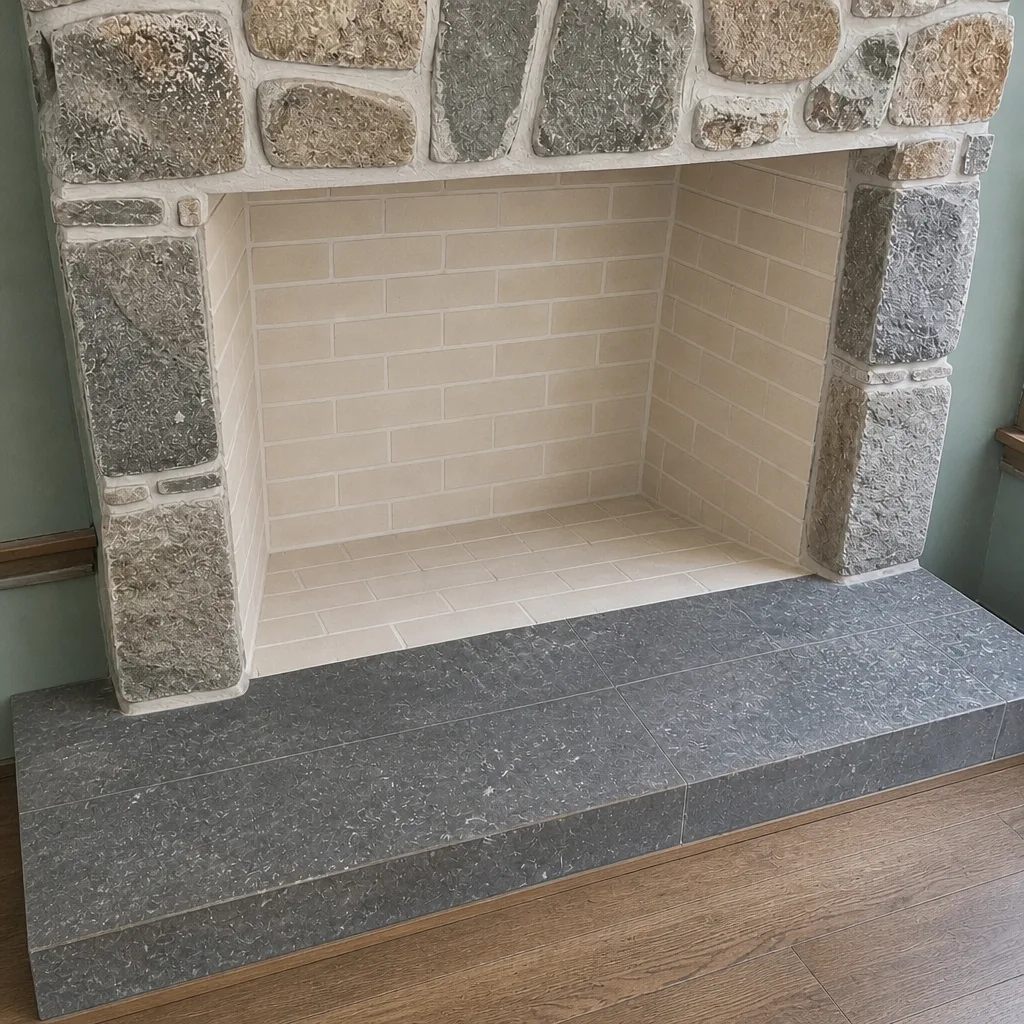
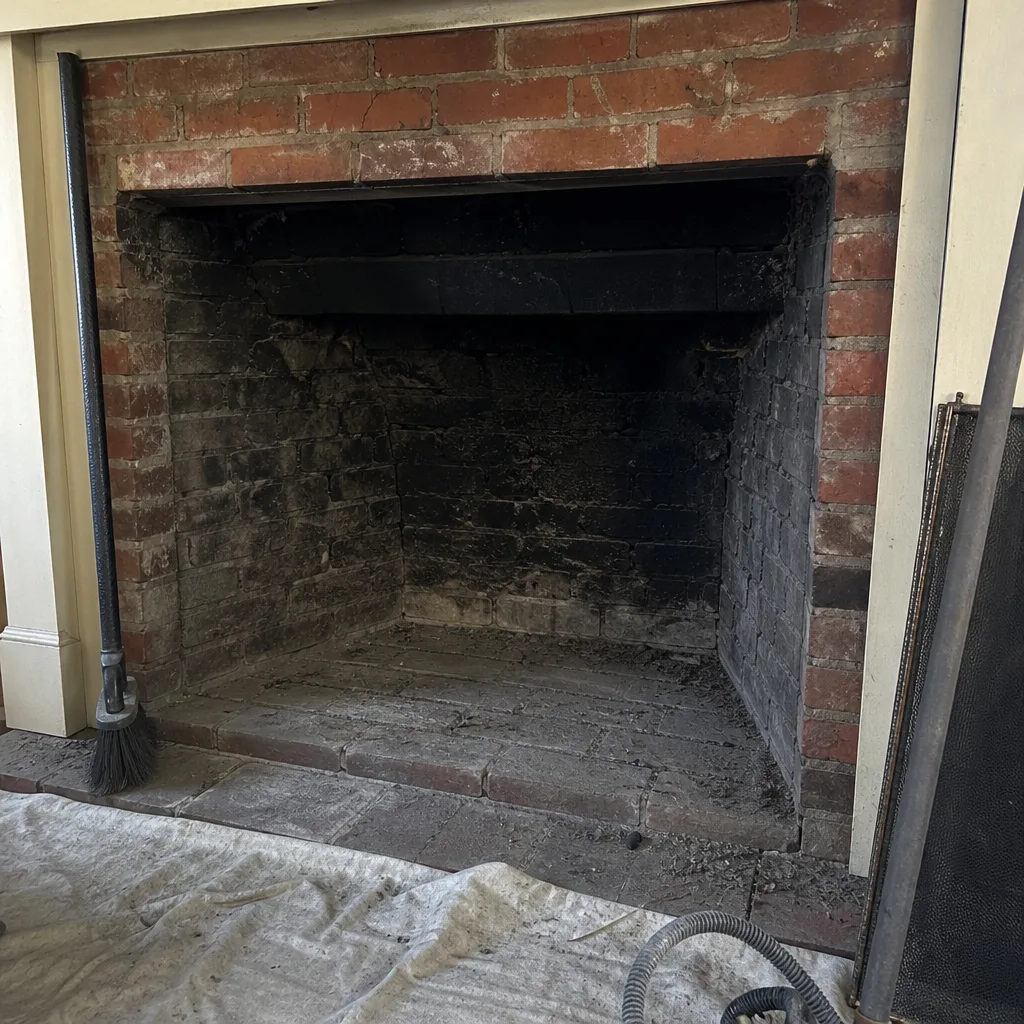
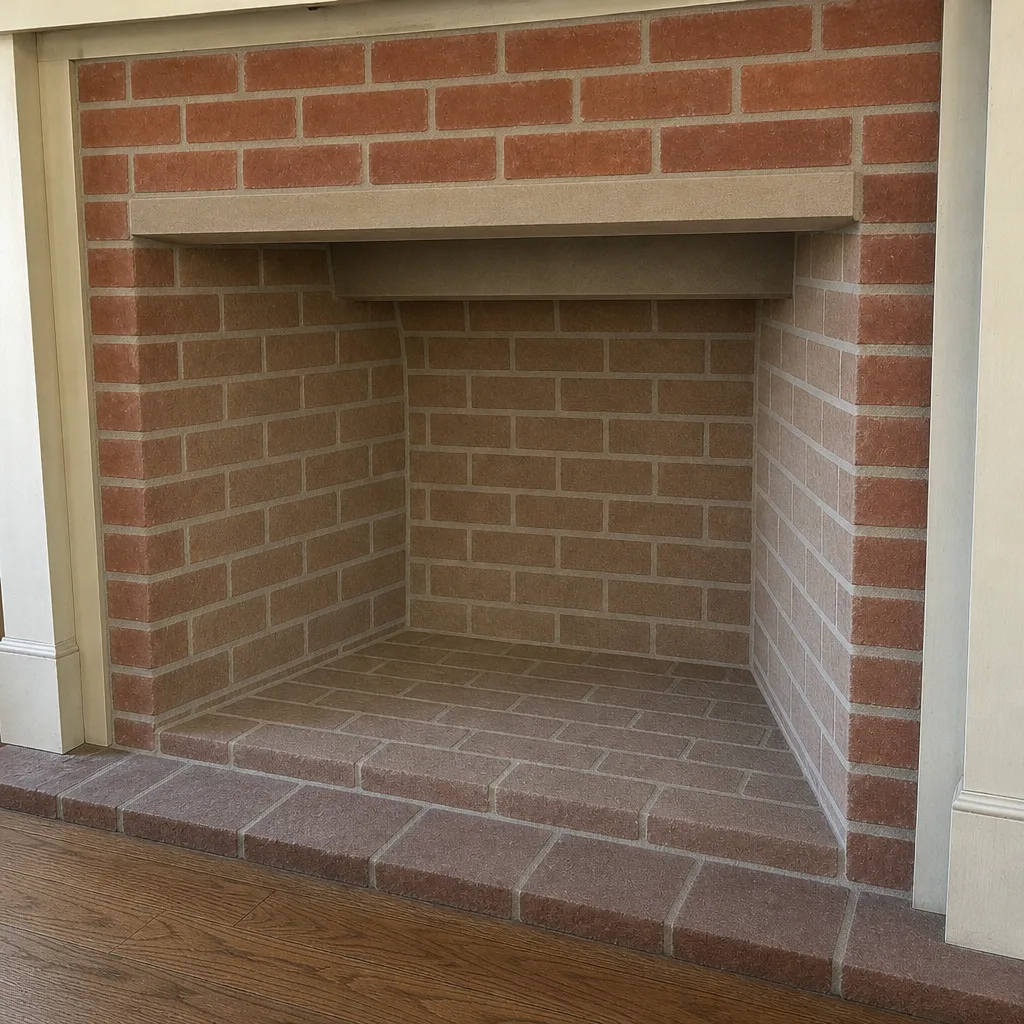
See the difference
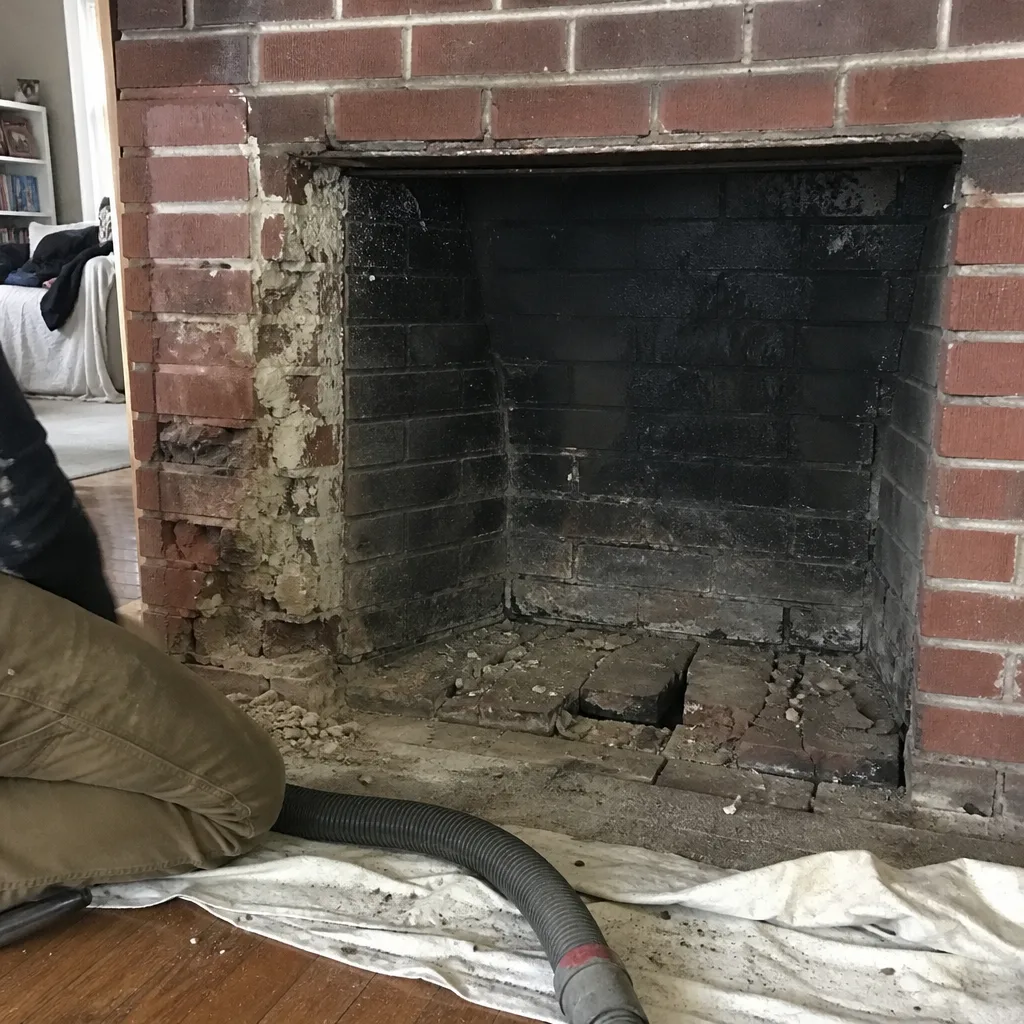 Before
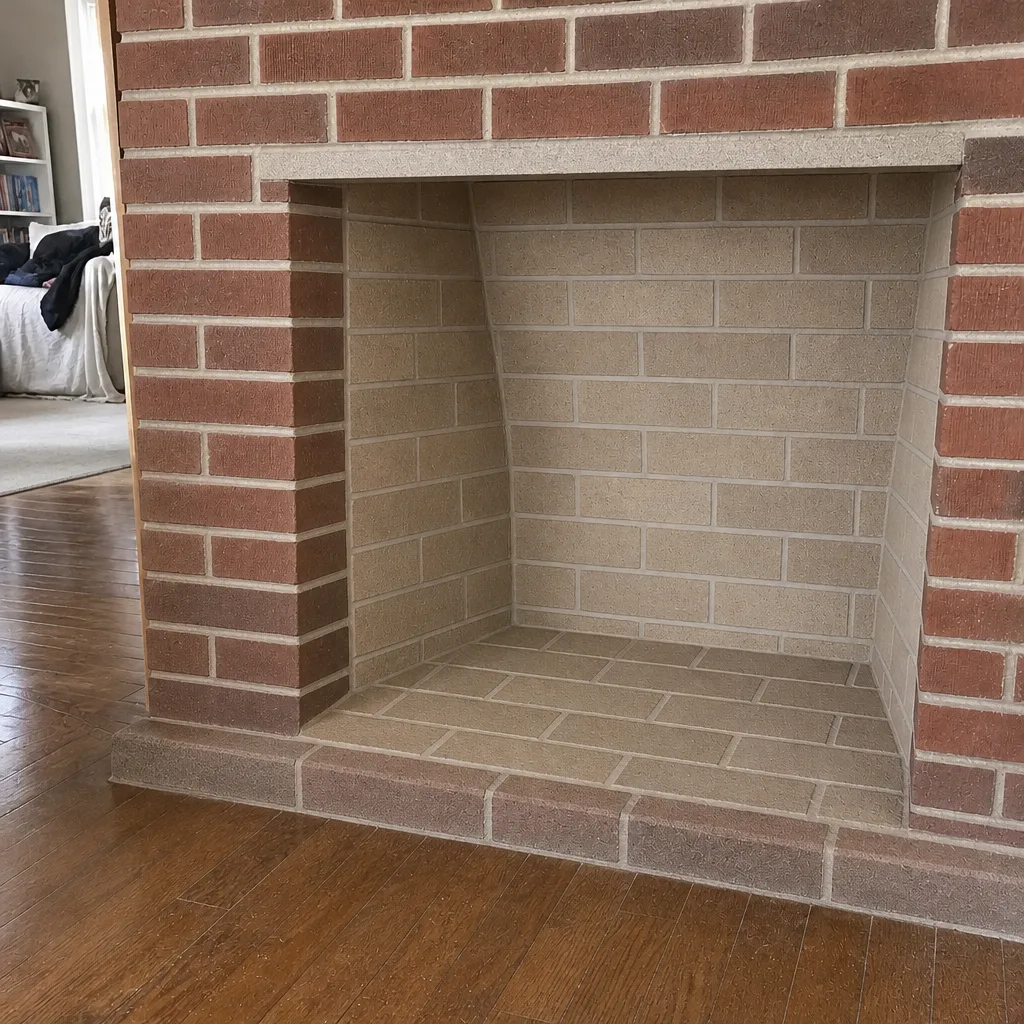 After
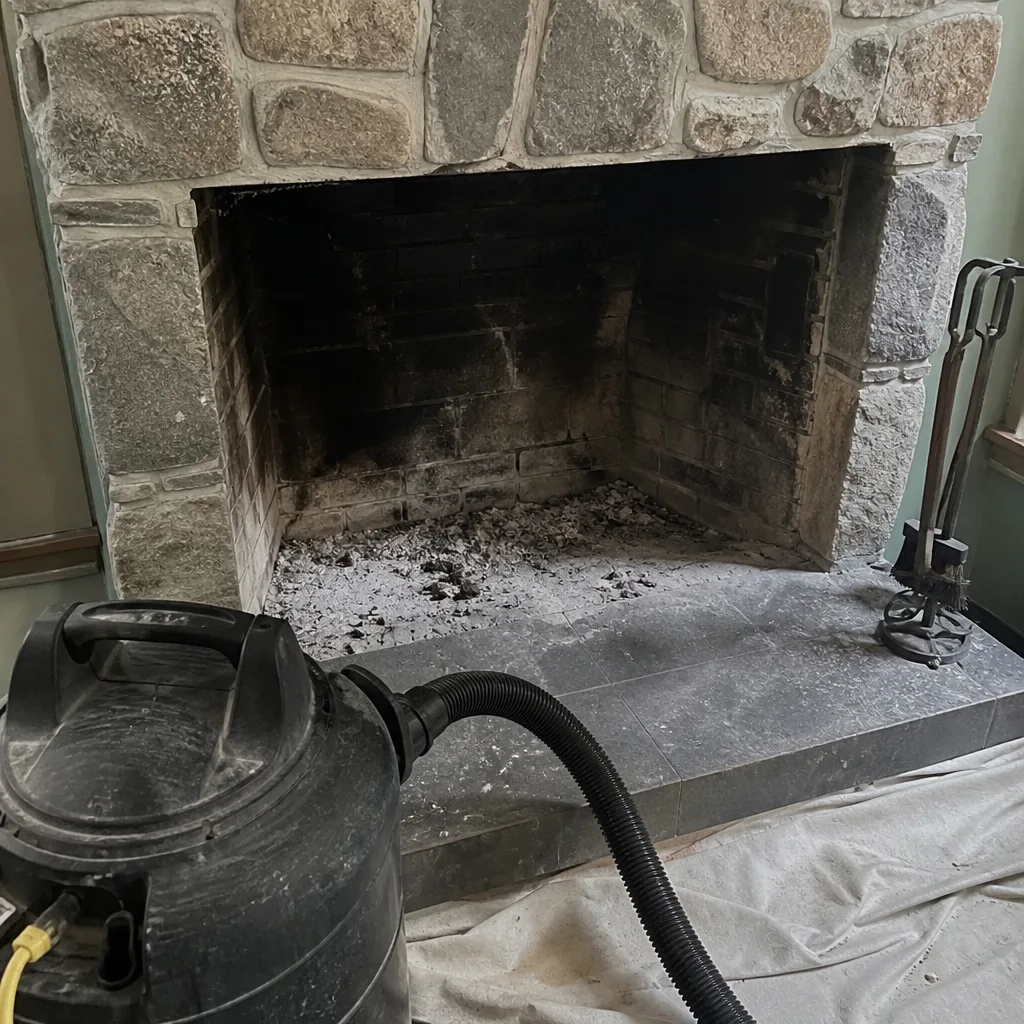 Before
 After
 Before
 After
When to Call a Professional
Call a professional if you’ve noticed any of the stop-use signs above: soot or masonry falling into the firebox, smoke escaping from seams, visible flue cracks, a strong chemical smell, or steady rollback that won’t clear. Also call if you’ve never had the flue inspected, if an animal has been in the flue, or if your dryer is running slow and hot. These aren’t the kind of chores to hand to a neighbor with a brush. The cost of a proper inspection is small next to the cost of a missed flue problem.
Manchester Chimney Cleaning offers free estimates in Manchester. Call (888) 804-9712. We answer 24/7. Fast dispatch from 7am to 7pm, Sunday through Friday. We use professional-grade materials on every job, from annual sweep to full liner restoration, and we’ll show you what the camera found so you can judge the repair yourself. One crew, one call. Call (888) 804-9712.
Frequently Asked Questions
Check whether the smoke clears once the fire is burning well, because a puff on startup often means a cold flue rather than a dirty one. If smoke rolls back steadily, suspect draft or pressure, including a bath or kitchen fan pulling air from the room, and have it inspected. Call (888) 804-9712 for an exact quote; estimates are free.
No. White chalky powder is efflorescence, and it means moisture is moving through the masonry, not soot. It calls for a look at the crown, flashing, and cap, and a masonry assessment rather than a sweep. If the brick faces are also flaking, get it inspected before it spreads. Call us for an honest read on what’s needed.
Creosote is a sharp, tar-like, smoky smell that’s worst on warm days, while an animal odor is musky or ammonia-like and often stronger when the fireplace has been cold. The first needs a cleaning; the second needs the animal removed, the flue cleaned, and a cap fitted. A camera inspection settles it. Call (888) 804-9712 to book it.
Yes. Visible cracks in the flue are a stop-use sign, because a cracked flue can let smoke and combustion gases escape into the house. Don’t light another fire until a technician inspects it and tells you the flue is sound. Call us and we’ll assess it and explain the options, including liner restoration where it applies.
For most wood-burning fireplaces and stoves, plan on an annual inspection, with a sweep when the flue has buildup. The inspection is what tells you whether a cleaning is actually needed this year. Book it before the burning season so you’re not waiting when the first cold snap hits. Call (888) 804-9712. We answer 24/7. Fast dispatch from 7am to 7pm, Sunday through Friday.
No, but it’s the other flue in your house, and it’s a genuine fire risk. Slow drying, a hot cabinet, and lint around the outside vent flap point to a clogged dryer vent. Dryer vent cleaning resolves it, and we do that alongside chimney work so you’re not scheduling a second contractor. Call for a free estimate.
The Bottom Line
Most chimney trouble gives you warning, but the warning only helps if you know what it points to. White powder means moisture, rust means water in the flue, flakes in the firebox mean stop and inspect, and smoke rollback often means pressure rather than soot. Match the sign to the condition and you can triage without panic. Get an annual inspection, cap the flue, and check the dryer vent while you’re at it. In Manchester, one crew can handle all of it. Call (888) 804-9712 for a free estimate. We answer 24/7. Fast dispatch from 7am to 7pm, Sunday through Friday.
Written by the team at Manchester Chimney Cleaning, serving Manchester since 2012.